
Aston Villa Clinical Efficiency Secures Europa League Quarter-Final Berth

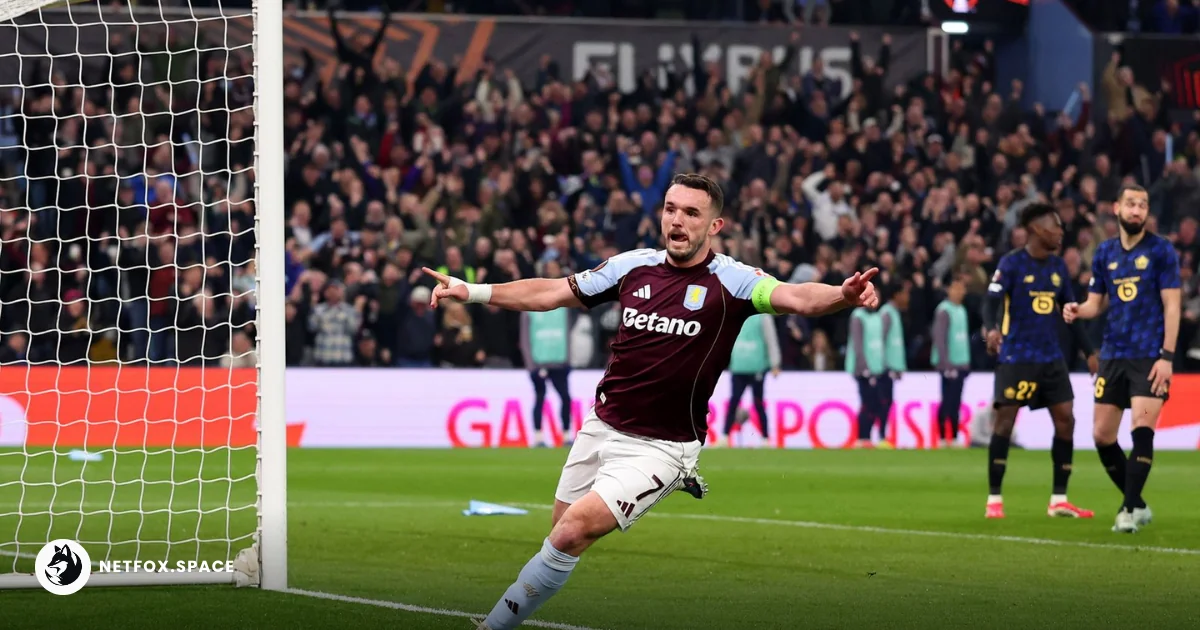
Tactical Control at Villa Park Defines Aggregate Victory
Aston Villa successfully navigated the second leg of their round-of-16 tie against Lille OSC, securing a 2-0 victory on the night and a 3-0 aggregate scoreline. Goals from captain John McGinn and winger Leon Bailey provided the clinical edge required to dismantle the French side’s defensive structure.
Under the guidance of manager Unai Emery, the Premier League representatives utilized a high defensive line and disciplined mid-block to nullify the threat of Jonathan David. The victory marks a significant milestone in the club’s return to elite European competition, maintaining their status as one of the favorites for the UEFA Europa League title.
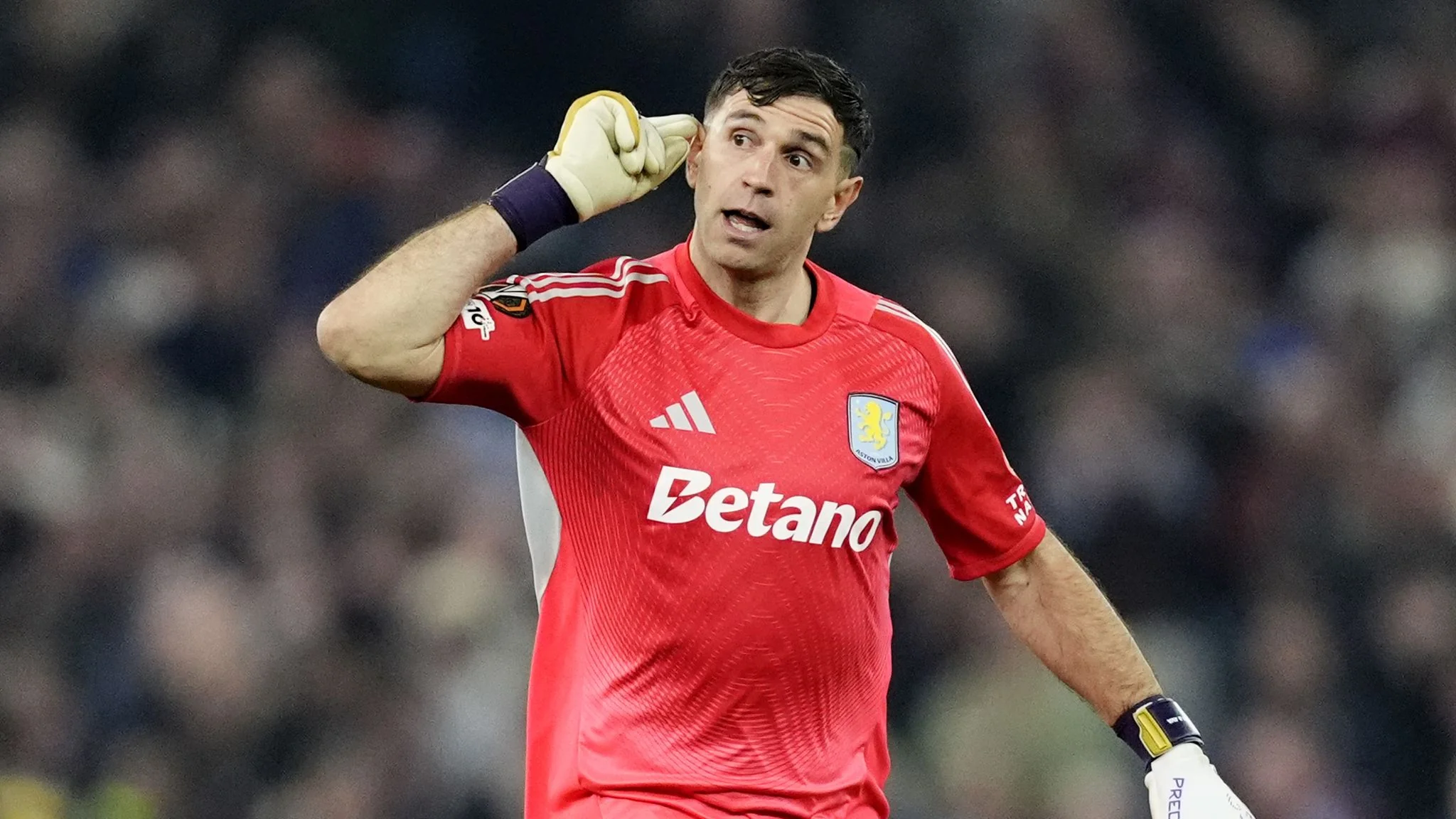 Emiliano Martinez celebrates Aston Villa's opening goal against Lille
Scoring Sequences and Defensive Resilience
The deadlock was broken in the first half when McGinn capitalized on a set-piece delivery, highlighting a recurring vulnerability in the Lille zonal marking system. Despite late pressure from the Ligue 1 side, Emery’s men remained compact, with goalkeeper Emiliano Martínez commanding his area effectively to prevent an away goal that could have shifted the momentum.
Bailey doubled the lead in the second half through a rapid transition, an area where Aston Villa has excelled throughout the current domestic and continental campaign. This efficiency in the final third allowed the Midlands club to manage player minutes effectively in the closing stages, crucial for their dual-front pursuit of a top-four finish in the Premier League.
 Unai Emery's 100 Aston Villa wins were celebrated with a banner in the Holte End ahead of their game against Lille
The "Emery Effect" and Continental Tournament DNA
While most analysis focuses on the goalscorers, the structural differentiation in this victory lies in Unai Emery’s specific mastery of the UEFA knockout format. Unlike typical domestic matches where Villa might prioritize possession, this tie demonstrated a "chameleon" tactical approach sacrificing ball dominance for high-value turnover opportunities.
The hidden implication of this victory is the psychological shift within the squad; they have transitioned from participants to "knockout specialists." By neutralizing a statistically superior Lille press, Aston Villa proved they can win through defensive attrition as much as offensive flair, a trait often missing from English sides in secondary European tiers.
Financial and Coefficient Impact for the Premier League
This progression carries significant weight for the English Football Association regarding the UEFA association coefficient rankings. With the expanded Champions League format looming, every win in the knockout stages of the Europa League contributes points that could secure a fifth qualifying spot for English clubs.
| Stakeholder | Primary Impact | Long-term Implication |
|---|---|---|
| Aston Villa | Increased UEFA Prize Money | Higher revenue for PSR compliance |
| Premier League | Coefficient Points | Potential 5th Champions League spot |
| Lille OSC | Exit from Europe | Focus on domestic UCL qualification |
| UEFA | High-profile Quarter-finalist | Increased broadcast value for late rounds |
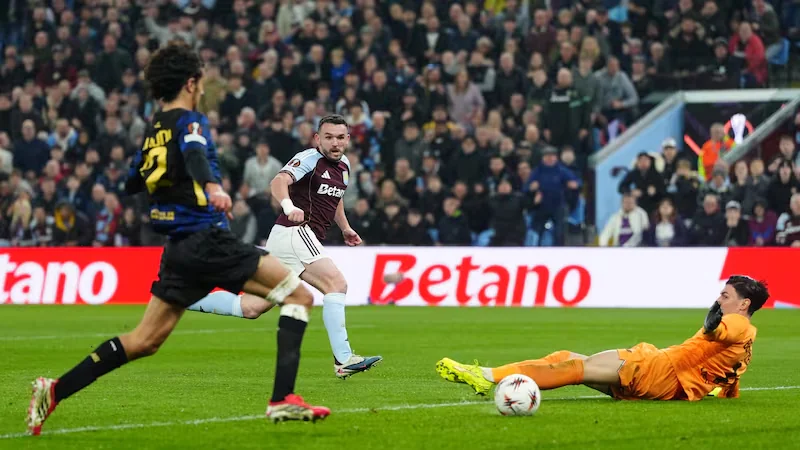 Aston Villa’s John McGinn celebrates victory over Lille .
Strategic Depth and Upcoming Quarter-Final Challenges
The focus now shifts to the quarter-final draw, where potential opponents could include heavyweight contenders from the Bundesliga or Serie A. Aston Villa will have to manage a congested April schedule, balancing high-intensity European nights with the physical demands of the English top flight.
The return of key personnel from the medical room will be the deciding factor in whether this run culminates in a final appearance in Bilbao. The ability of the semiconductor-precise scouting network at Villa to identify depth players like Morgan Rogers has already paid dividends, providing the tactical flexibility needed for multi-legged European ties.
The trajectory of the Midlands club now suggests a structural shift in the European hierarchy, where traditional "second-tier" English clubs are leveraging financial power and elite coaching to disrupt the continental status quo. The looming threat for future opponents is not just Villa's pace, but their increasing comfort in the high-pressure environment of European knockout football.
Comments (0)
Please login to comment
Sign in to share your thoughts and connect with the community
Loading...