

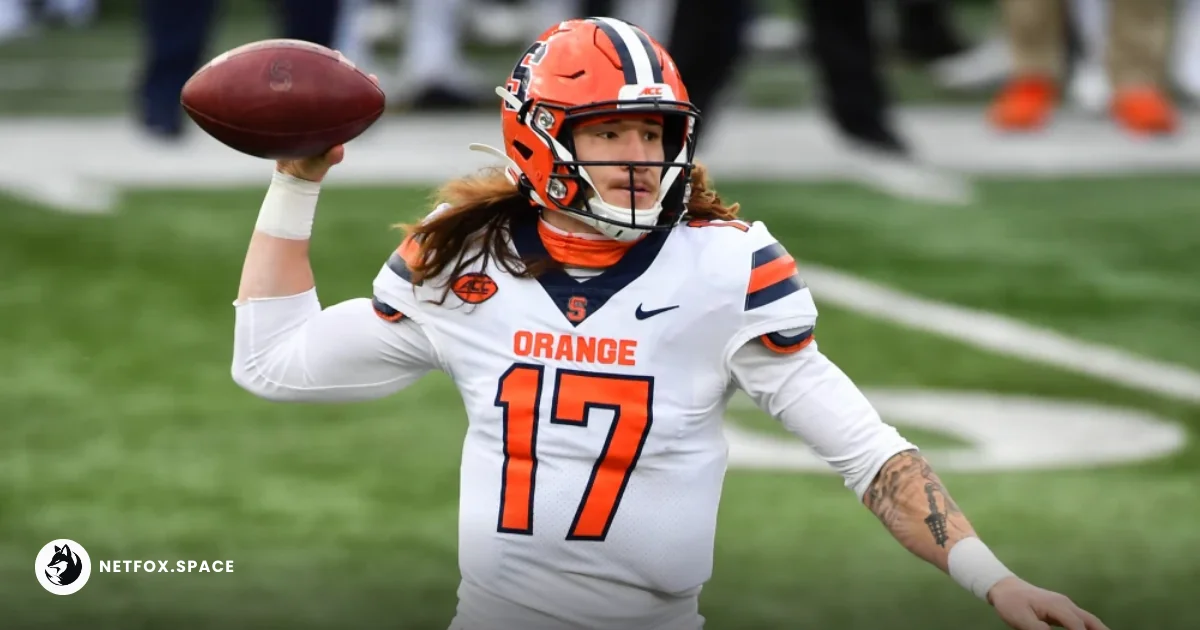
The Passing of a Syracuse Football Icon
Former Syracuse University quarterback Rex Culpepper has passed away at the age of 28, as confirmed by his family and the university's athletic department. Culpepper, a native of Tampa, Florida, became a national figure not only for his performance within the Atlantic Coast Conference (ACC) but for his public battle with testicular cancer.
Diagnosed in 2018, he underwent intensive chemotherapy before making a miraculous return to the gridiron, a journey that resonated across the National Collegiate Athletic Association (NCAA). His death marks the loss of a prominent figure in the Syracuse Orange community who bridged the gap between collegiate athletics and cancer advocacy.
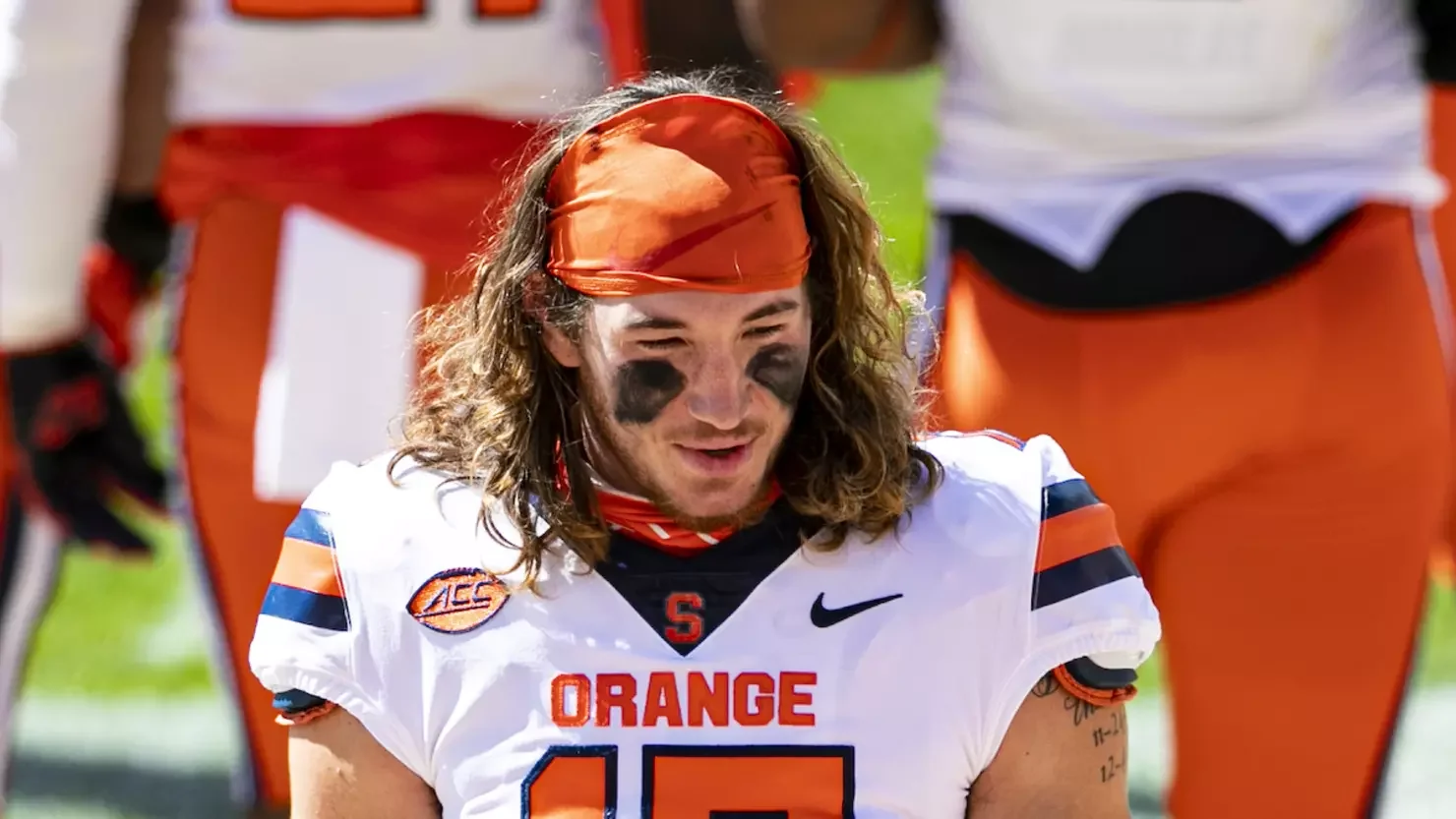
Medical Recovery and the 2020 Gridiron Return
The trajectory of Culpepper's career was defined by his 2020 season, where he appeared in all 11 games for Syracuse. After finishing treatment for stage 4 cancer, his return to play was cited by medical professionals and sports analysts as a rare feat of physical and psychological endurance.
In October 2020, Culpepper threw a game-winning touchdown pass against Liberty University, a moment that served as the emotional pinnacle of his tenure with the Syracuse football program. His presence in the locker room was frequently noted by head coach Dino Babers as a foundational element of the team’s cultural identity during a period of transition for the program.
The Physical Toll of Elite Competition After Oncology
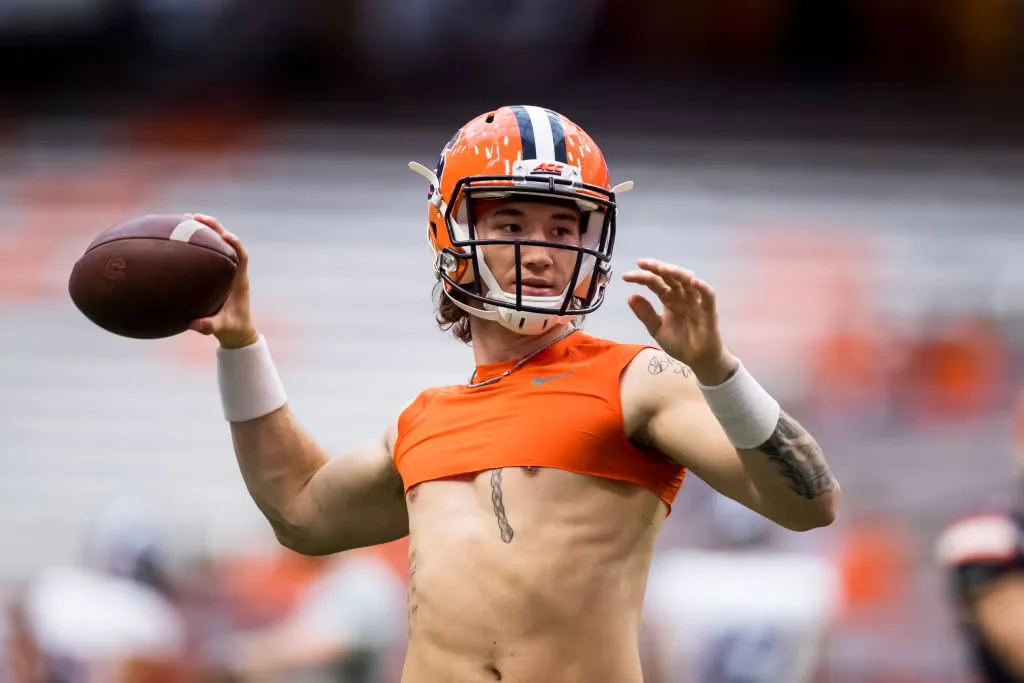
While mainstream coverage often focuses on the "triumph" of the return to play, the medical reality for athletes returning from late-stage cancer treatments involves systemic physiological shifts. Culpepper’s ability to maintain the high-velocity demands of a Division I quarterback while recovering from the cellular exhaustion of chemotherapy remains an outlier in sports medicine.
The long-term impact of aggressive treatment on elite athletic frames is a niche but critical area of study within sports oncology. Culpepper’s career provided a blueprint for how professional-grade training protocols can be integrated with post-cancer rehabilitation, though it also highlights the immense strain placed on the cardiovascular and endocrine systems of young survivors who return to high-impact contact sports.
Legacy Within the Florida-New York Pipeline
Culpepper’s influence extended beyond the field, representing the deep recruiting ties between Florida high school football and the Big Northeast programs. As the son of Brad Culpepper, a former NFL defensive tackle, Rex was part of a generational football lineage that influenced the developmental path of numerous athletes in the Tampa Bay area.
His journey from Plant High School to a starting role in the ACC showcased the viability of the "scholar-athlete" model under extreme personal duress. His story has since been utilized by various non-profits to raise awareness for early detection of cancer among young men, a demographic often overlooked in preventative healthcare.
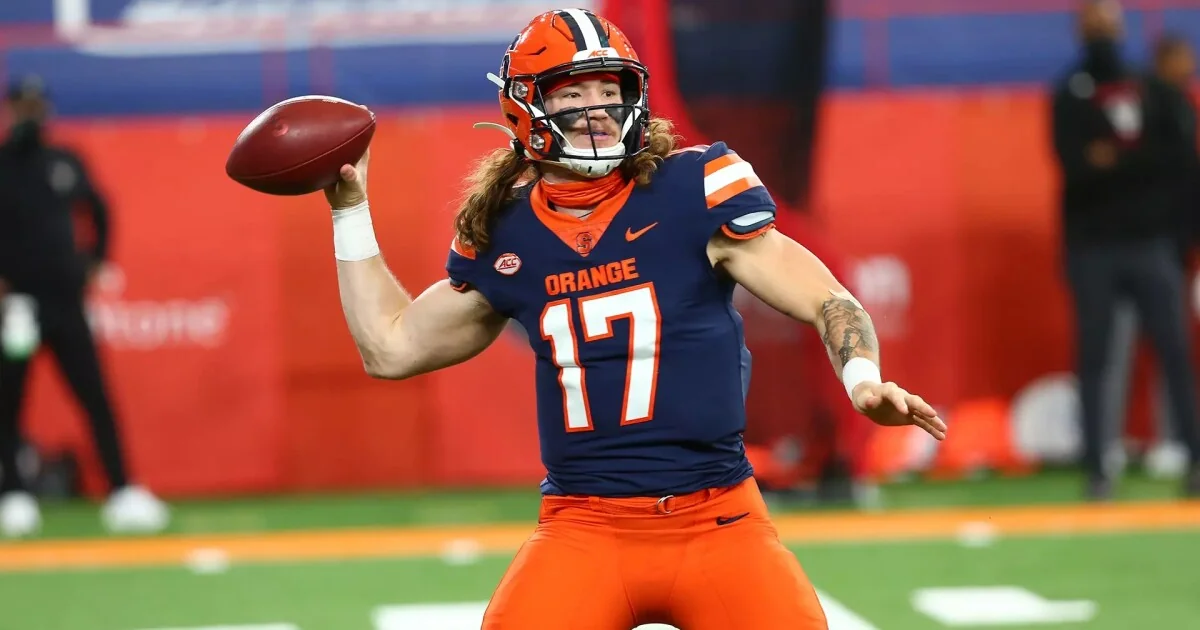
Ongoing Advocacy and Structural Support for Student-Athletes
The loss of Culpepper at 28 raises urgent questions regarding the long-term monitoring and support systems available to student-athletes who face life-threatening illnesses during their eligibility. While the NCAA provides frameworks for medical redshirts, the post-graduation health monitoring for athletes who have undergone systemic trauma like stage 4 cancer remains largely decentralized.
As the sporting world mourns, the focus shifts toward how collegiate programs can better honor the "survivor" identity through permanent advocacy roles or specialized medical scholarship funds. The void left by his passing highlights the fragility of the post-competitive life stage for those who spent their youth battling both elite opponents and biological crises.
Comments (0)
Please login to comment
Sign in to share your thoughts and connect with the community
Loading...