

Strategic Termination and the Waiver of Loyalty Clauses
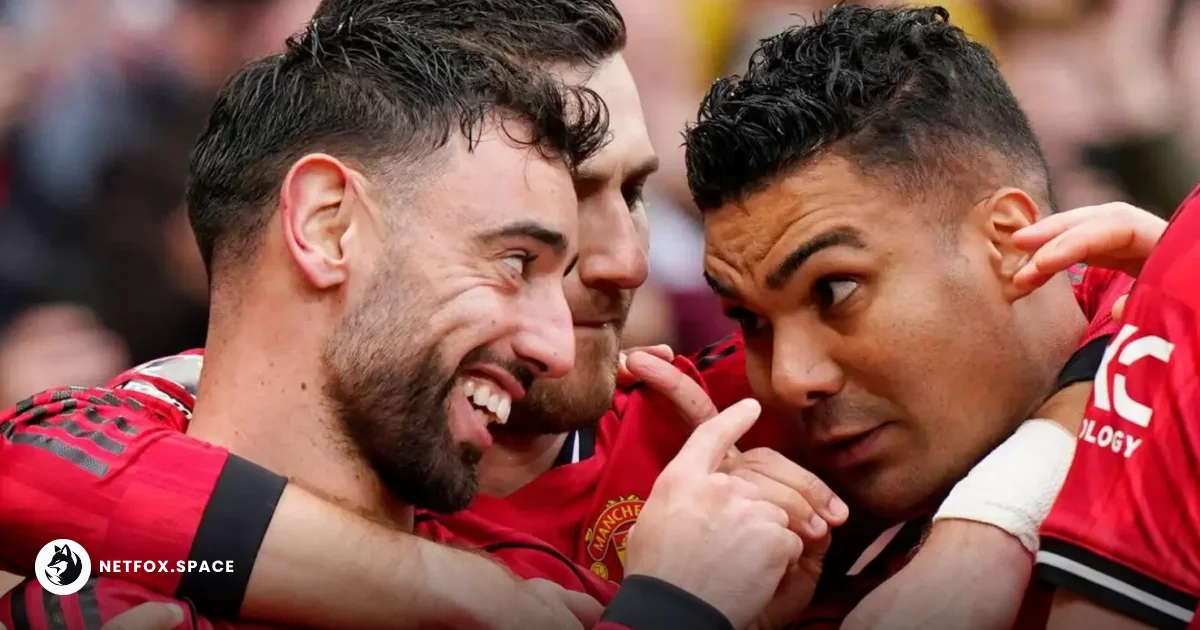
Manchester United have reportedly reached a definitive structural agreement with Brazilian midfielder Casemiro to waive specific financial clauses within his existing contract. Following reports from transfer analyst Fabrizio Romano, the "agreement in principle" focuses on removing barriers that previously stalled a move to the Saudi Pro League or other high-cap markets.
By waiving these bonuses, the player secures a faster exit route while the club reduces its immediate liability on a contract originally set to run until 2026. This maneuver is part of a broader "two-deal" acceleration currently being handled by the Old Trafford hierarchy to refresh a stagnant engine room.
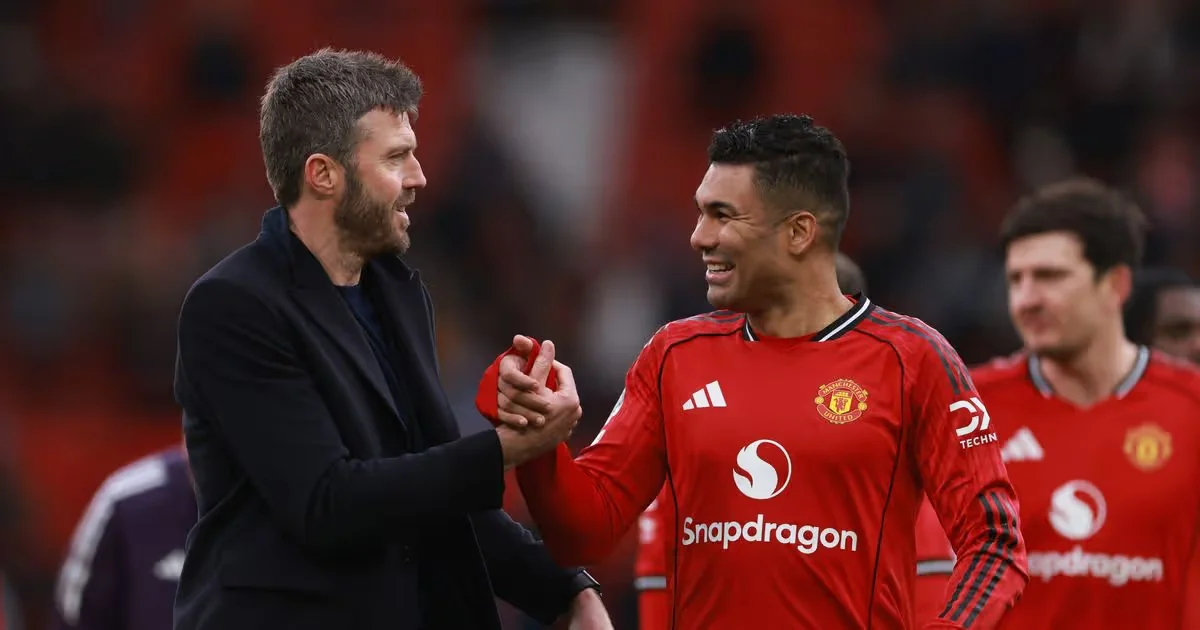 Bruno Fernandes and Casemiro celebrate
Immediate Impact on PSR and Wage Bill Liquidity
The primary catalyst for this negotiation is the Premier League’s Profit and Sustainability Rules (PSR). Casemiro, who joined from Real Madrid in 2022, remains one of the highest earners in the English top flight, commanding wages estimated at over £300,000 per week.
Removing his salary from the books, alongside the potential waiver of "loyalty payments" typically due upon a contract's conclusion, provides Manchester United with significant "accounting air." This liquidity is essential for the club to finalize incoming transfers without triggering regulatory red flags from the Premier League board.
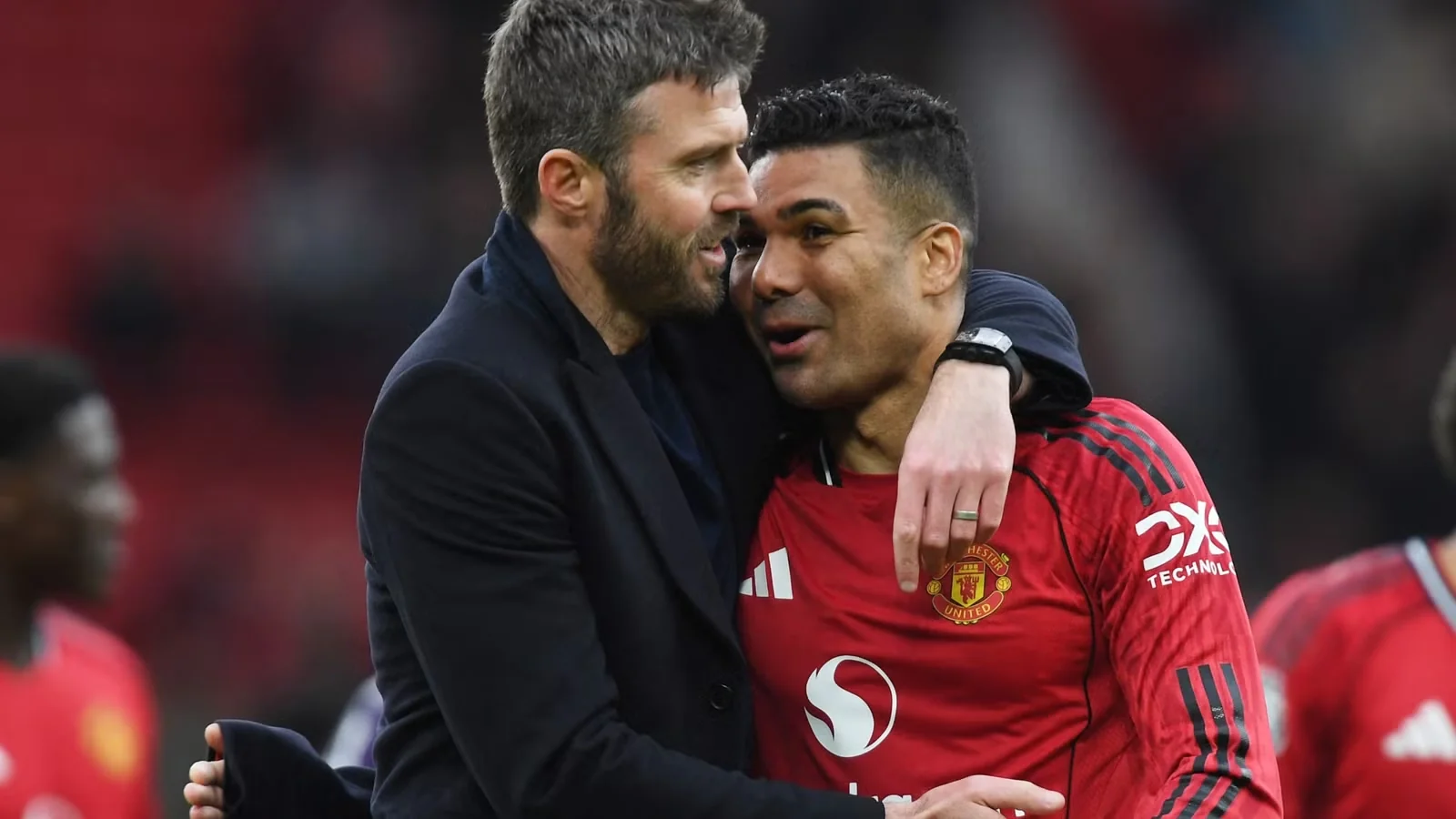 Bruno Fernandes and Casemiro celebrate
The Invisible Lever: Amortization and Book Value Optimization
While the media often focuses on "transfer fees," the real value of the Casemiro agreement lies in the acceleration of his book-value write-down. In elite football finance, a player’s cost is spread across the duration of their contract; by negotiating a "waive and release," Manchester United effectively resets their financial commitment to a veteran asset whose on-field output has begun to decline relative to his cost.
Most competitors treat player exits as simple sales, but INEOS led by Sir Jim Ratcliffe is utilizing private-equity-style restructuring. They are treating these contracts as distressed assets to be liquidated quickly, even at a lower nominal fee, to reclaim "wage-turnover" ratios that allow for younger, high-ceiling acquisitions.
Systemic Shift Under the INEOS Sporting Model
This development signals the end of the "Galáctico" era at Old Trafford, where aging stars were offered long-term, high-value security. The INEOS sporting department is enforcing a stricter performance-to-cost ratio across the squad. This "waived clause" sets a precedent for other high earners, suggesting that the club is no longer willing to be held hostage by legacy contracts signed under previous administrations.
This shift moves Manchester United toward a recruitment model more aligned with Manchester City or Liverpool FC, where the exit of a veteran is choreographed months in advance to ensure the successor is already integrated or financed.
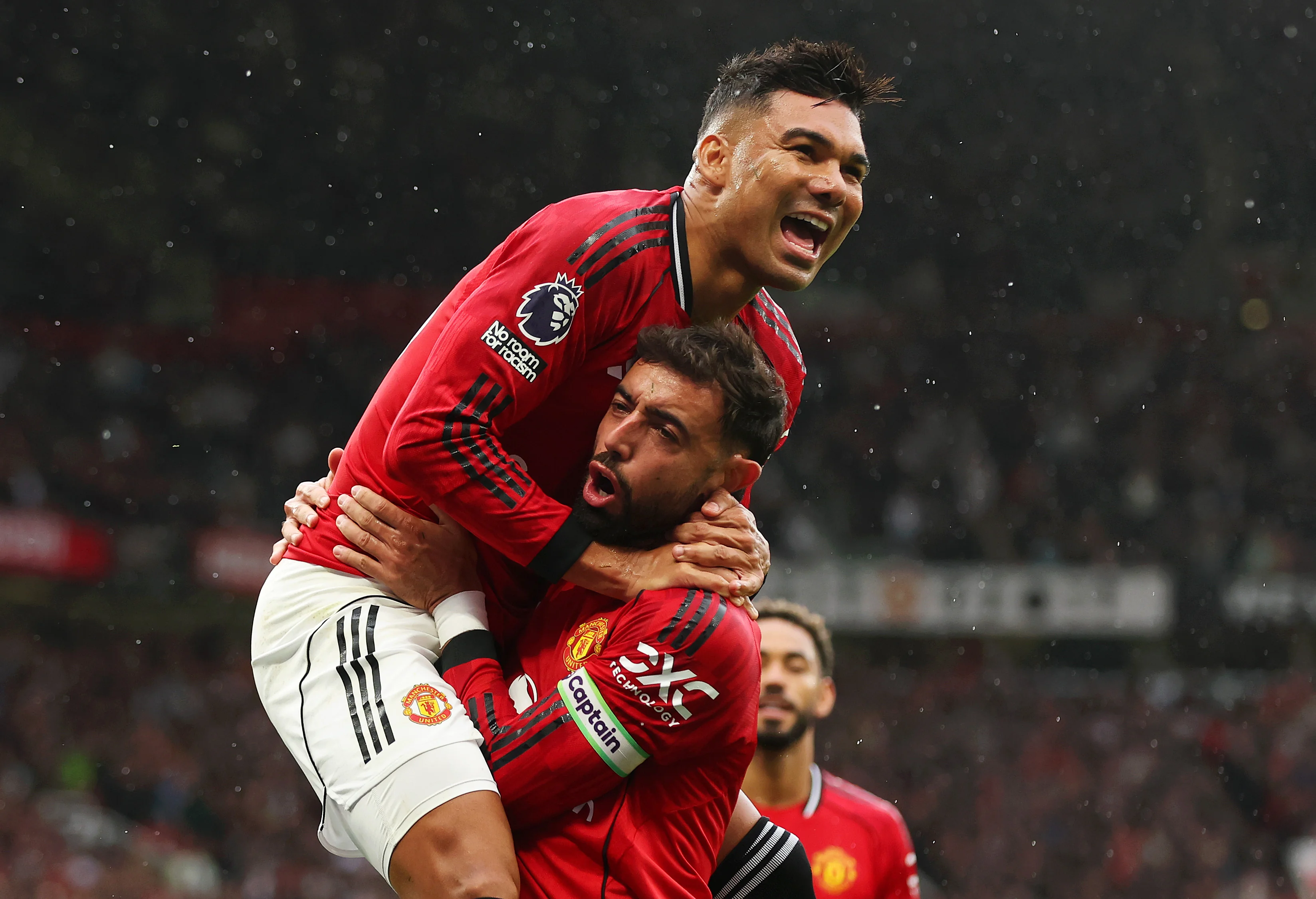 Bruno Fernandes and Casemiro celebrate
Comparative Analysis: United's Midfield Transition
| Asset | Contract Status | Primary Impact of Exit | Replacement Profile |
|---|---|---|---|
| Casemiro | Clause Waived | Immediate PSR headroom | High-mobility #6 |
| Christian Eriksen | Expiring | Reduction in squad age | Creative engine / Youth |
| Scott McTominay | Previous Sale | Pure Profit (Homegrown) | Box-to-box hybrid |
Projected Trajectory of the Summer Overhaul
The finalization of the Casemiro waiver serves as the first domino in a high-speed squad reconfiguration. As the club nears the "almost done" status on two incoming deals, the focus shifts to whether the Saudi Pro League's Public Investment Fund (PIF) will meet the revised valuation for the Brazilian.
The structural risk remains the timing: if the exit is delayed beyond the June 30th accounting deadline, the club may face tighter restrictions on their initial summer spending power, forcing a continued reliance on creative financial waivers to stay within the margins of fiscal legality.
Comments (0)
Please login to comment
Sign in to share your thoughts and connect with the community
Loading...