

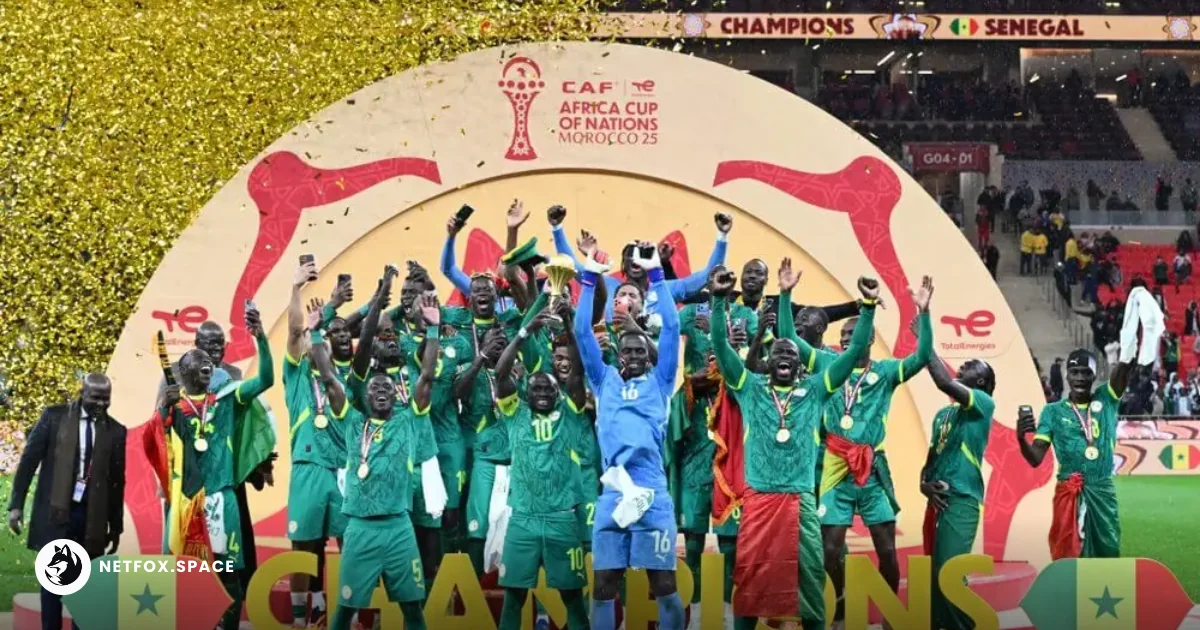
The 57-Day Reversal: CAF Strips Senegal of Continental Glory
The Confédération Africaine de Football (CAF) has officially nullified the results of the 2025 Africa Cup of Nations (AFCON) final, stripping Senegal of their title nearly two months after the final whistle. The Disciplinary Board’s decision follows a formal protest regarding the eligibility of a Senegalese squad member who was found to have breached nationality acquisition protocols.
Morocco, who lost the initial final in a penalty shootout, has been declared the official winner of the tournament. This unprecedented intervention marks the first time in the 69-year history of the competition that a champion has been dethroned post-celebration, forcing a manual correction of international football archives.
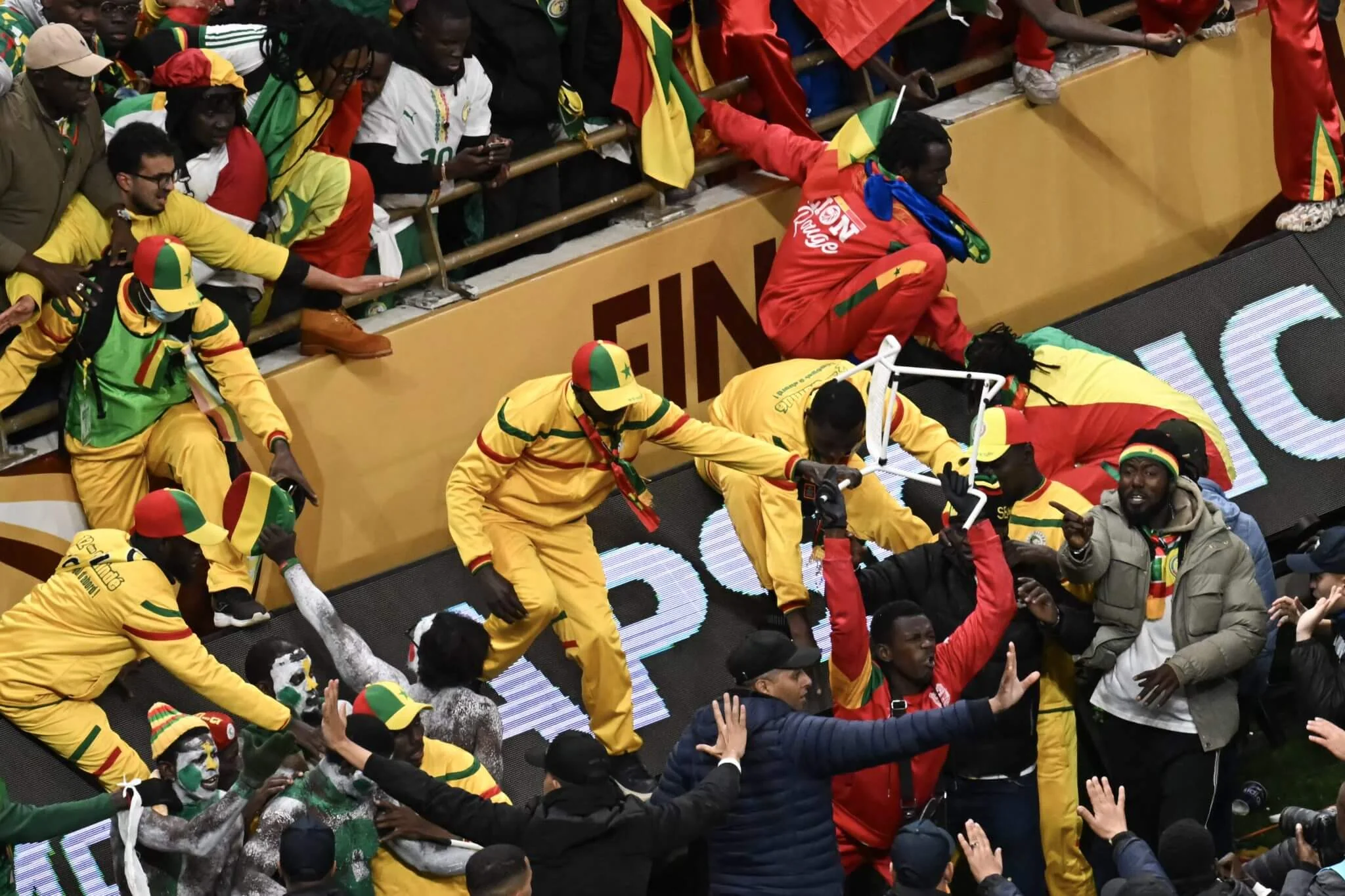 Supporters clashed with each other and security personnel during January’s finalPaul Ellis / AFP via Getty Images
Eligibility Breach and the Legal Mechanism of Disqualification
The investigation centered on a specific administrative failure within the Senegalese Football Federation (FSF) regarding FIFA’s Article 7, which governs the acquisition of a new nationality. Evidence surfaced confirming that a key player had represented a European youth side in a competitive match without completing the mandatory "Change of Association" paperwork required for senior African competition.
Under CAF statutes, the fielding of an ineligible player in a knockout match results in an automatic forfeit. While the ruling comes 57 days late, the CAF Executive Committee maintained that the integrity of the sporting merit system outweighed the logistical chaos of a retrospective crowning.
The Invisible Protocol: Why the VAR of Administration Failed
Standard pre-tournament checks by the CAF Organizing Committee are designed to flag registration anomalies, yet this case bypassed initial screening. Competitors and analysts are currently questioning the lack of a centralized, real-time eligibility database that syncs FIFA Clearing House data with continental rosters.
The failure suggests a systemic gap: national federations often rely on "good faith" declarations from players and agents, while CAF’s verification process focuses primarily on passport validity rather than the deep genealogical and competitive history of dual-national players. This ruling sets a legal precedent that will likely force every African federation to conduct forensic audits of their diaspora-based talent pools to avoid future litigation.
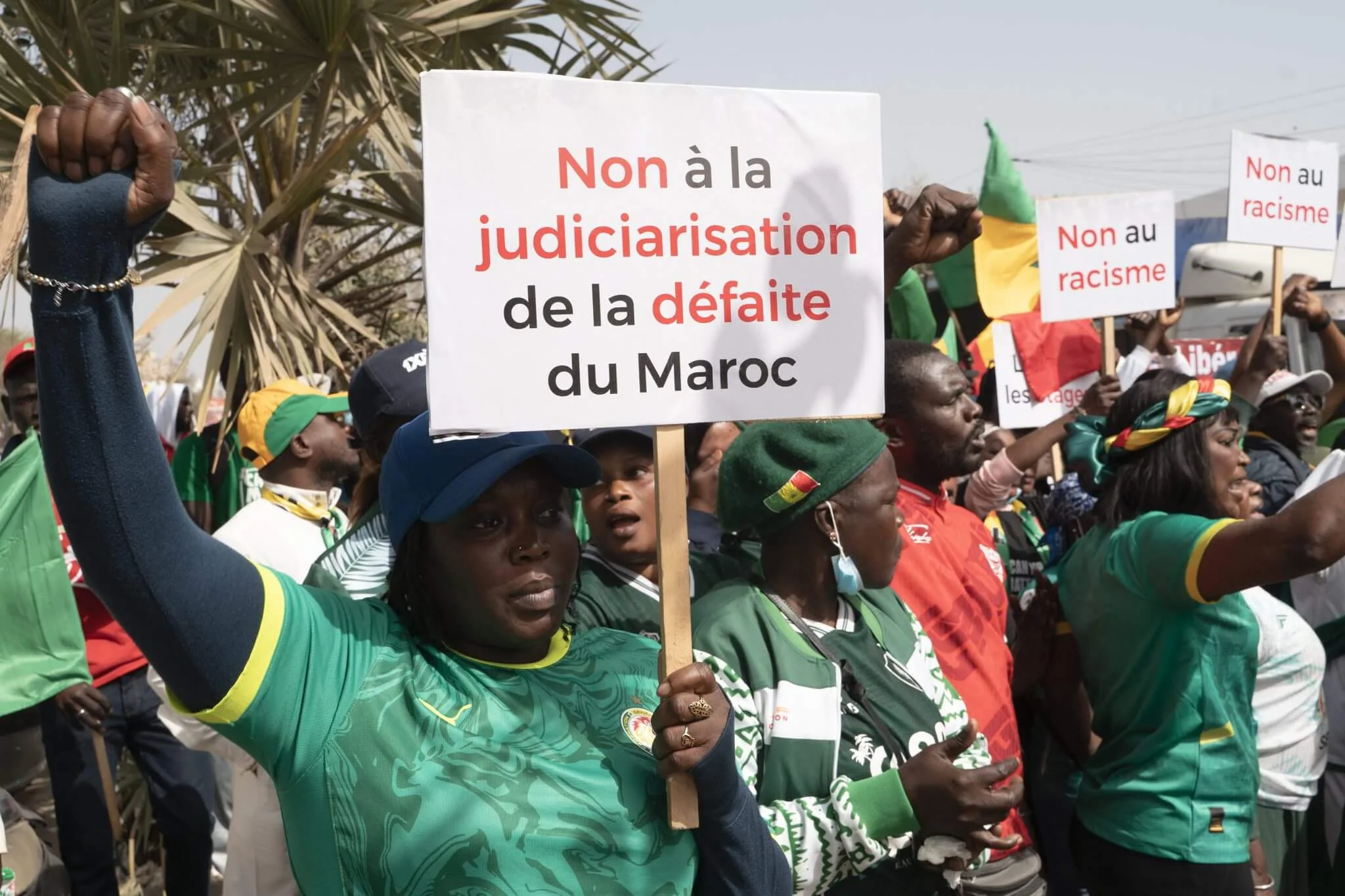 Protests against the Moroccan judicial sentencesSeyllou / AFP via Getty Images
Systemic Implications for the 2030 FIFA World Cup Path
The redistribution of the AFCON title carries significant weight beyond the trophy cabinet, specifically affecting the FIFA World Ranking points. Morocco will now receive the maximum points allocation for a tournament win, potentially propelling them into a higher seeding pot for upcoming global qualifiers.
Furthermore, this decision creates a rift within the Union of African Football Federations. The financial implications are immediate: prize money totaling millions of dollars must be returned by the FSF and redistributed to the Royal Moroccan Football Federation. Sponsors and broadcasters are now facing "make-good" clauses for marketing materials that featured the now-voided Senegalese victory.
Financial and Disciplinary Impact Breakdown
| Entity Affected | Nature of Impact | Estimated Consequence |
|---|---|---|
| Senegalese Football Federation | Financial Penalty | Forfeiture of $7M USD prize money |
| Royal Moroccan Football Federation | Asset Acquisition | Receipt of Gold Medals & 2025 Trophy |
| CAF | Brand Equity | Structural audit of registration software |
| Global Sportsbooks | Liability | Potential litigation over settled bets |
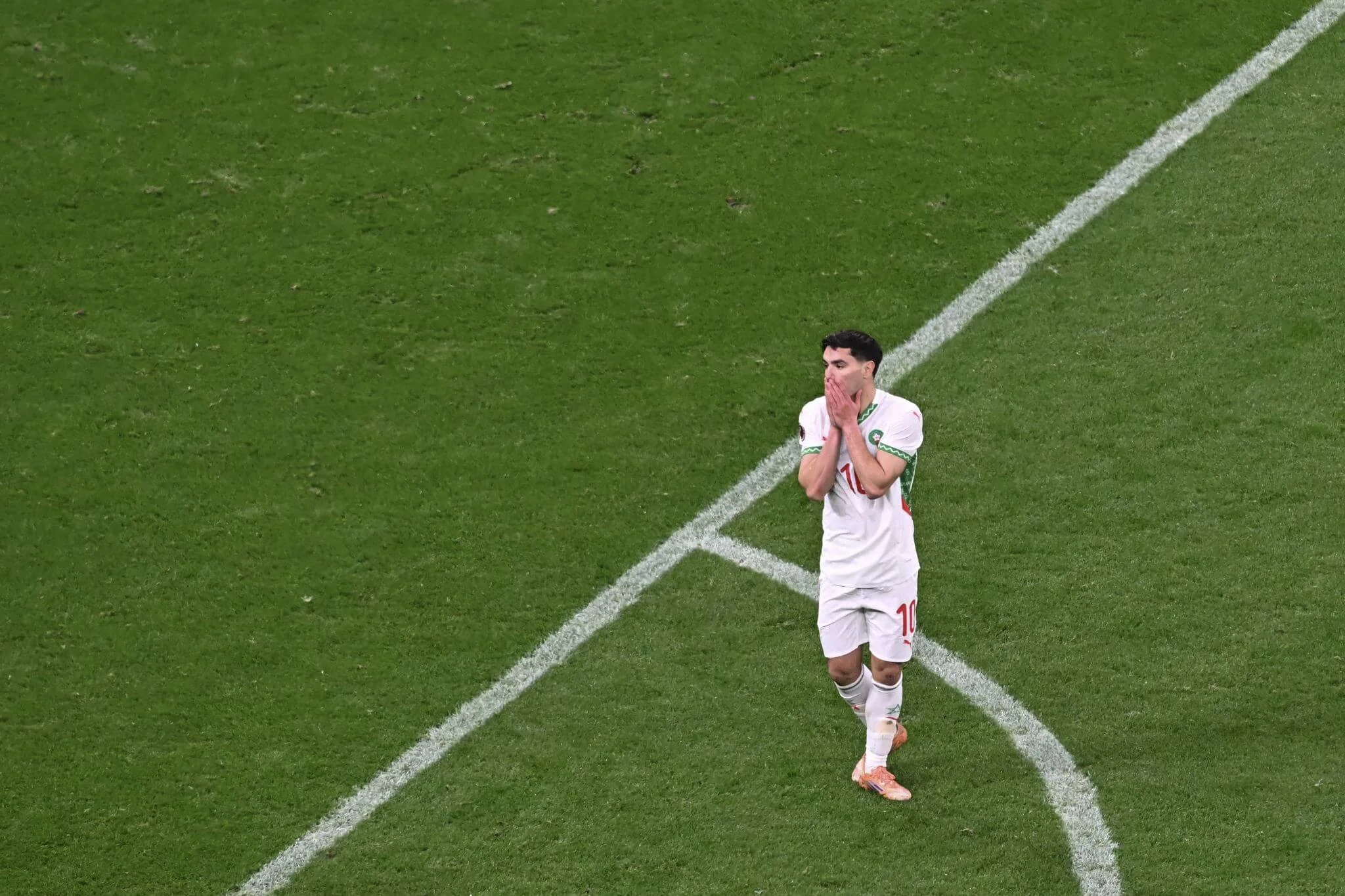 Morocco’s Diaz missed the crucial penalty on the nightPaul Ellis / AFP via Getty Images
Impending Appeals and the Road to Lausanne
The Senegalese Football Federation has confirmed its intent to escalate the matter to the Court of Arbitration for Sport (CAS) in Lausanne, Switzerland. Legal experts suggest that if the FSF can prove "administrative negligence" on the part of CAF’s initial registration clearance, the ruling could be stayed or modified.
Until then, the official records of African football have been rewritten, leaving the continent’s footballing landscape in a state of administrative paralysis. The looming question remains whether other nations will now comb through the rosters of their rivals, turning the boardroom into a secondary and perhaps more decisive pitch.
Comments (0)
Please login to comment
Sign in to share your thoughts and connect with the community
Loading...