

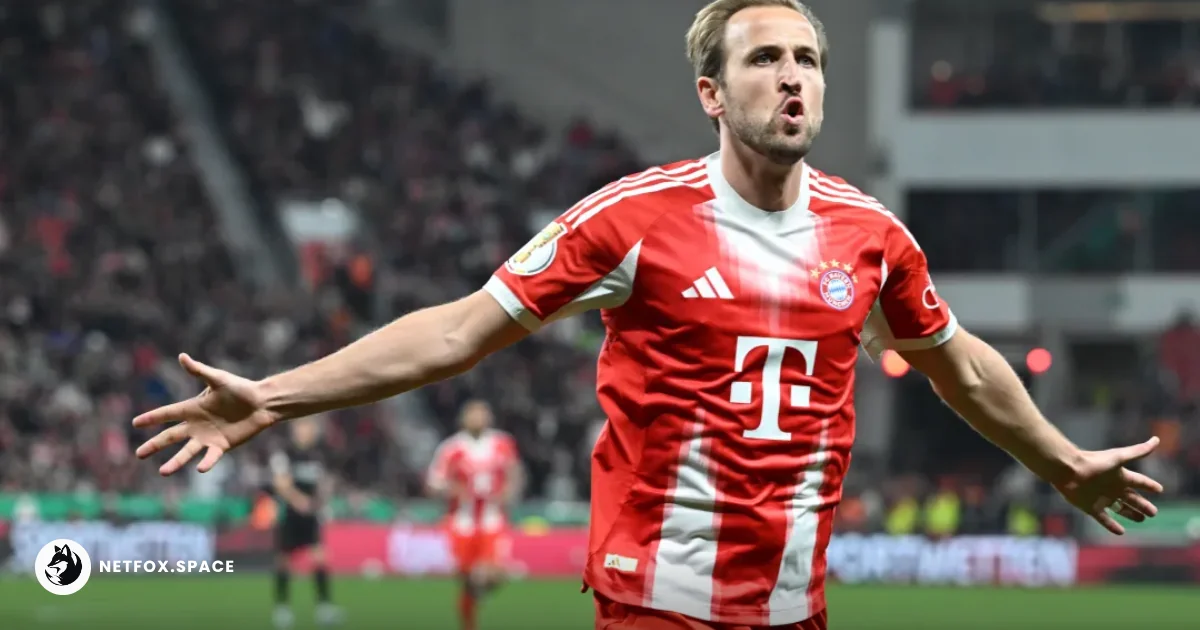
Bayern Munich advanced in the DFB-Pokal with a 2-0 victory over Bayer Leverkusen, a result that underscores a significant tactical evolution under Vincent Kompany. The win was less about individual brilliance and more about a structured defensive performance that neutralized Leverkusen’s typically fluid attacking transitions.
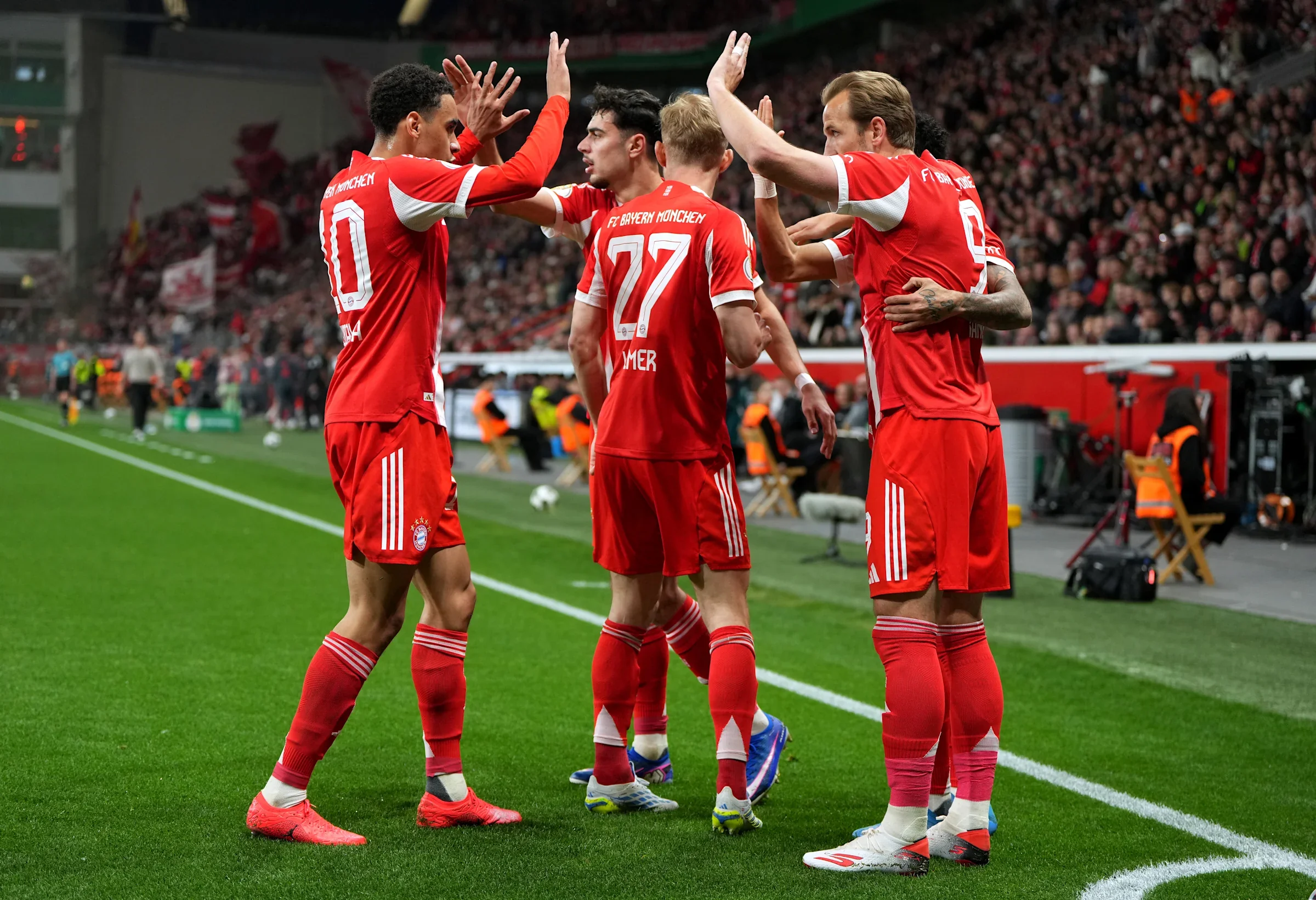 LEVERKUSEN, GERMANY - APRIL 22: Harry Kane of FC Bayern Munich celebrates scoring his team's first goal with teammates during the DFB Cup semifinal match between Bayer 04 Leverkusen and FC Bayern München at BayArena on April 22, 2026 in Leverkusen, Germany. (Photo by Pau Barrena/Getty Images) | Getty Images
Harry Kane’s evolution into a deep-lying playmaker
While Harry Kane remains Bayern’s primary goal threat, his performance against Leverkusen highlighted his increasing importance as a creative fulcrum. Rather than staying pinned to the last defender, Kane frequently dropped into the "ten" space, drawing Leverkusen’s center-backs out of position and creating passing lanes for late-running wingers.
The match analysis notes that this movement effectively bypassed Leverkusen’s midfield press, which often struggled to track Kane’s vertical movement. This shift suggests a deliberate tactical adjustment to maximize Kane’s elite vision, though it leaves the box momentarily vacated, requiring high goal-scoring output from the supporting attacking trio.
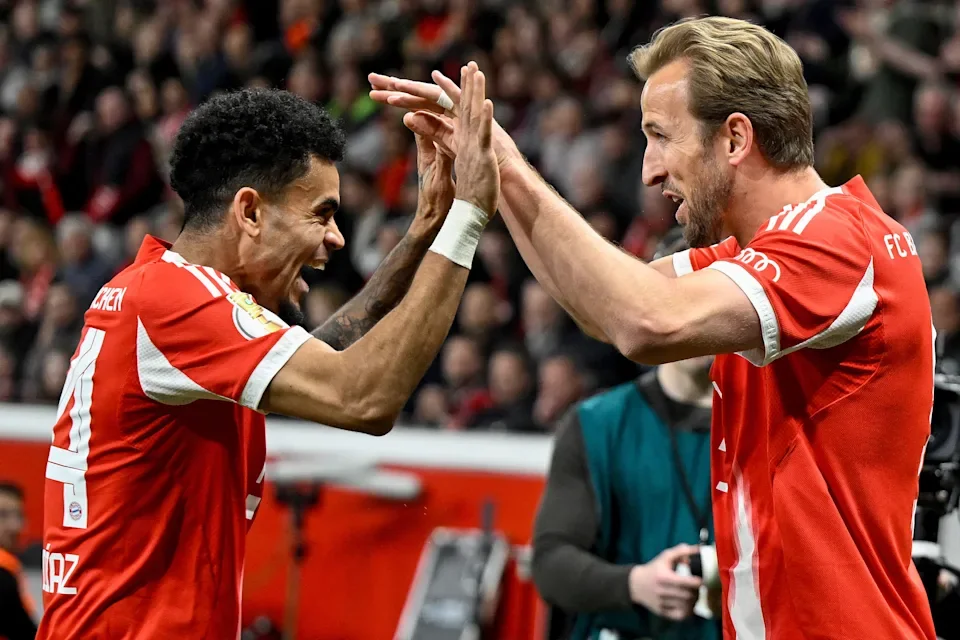 TOPSHOT - Bayern Munich's English forward #09 Harry Kane celebrates scoring the opening goal with his teammate Bayern Munich's Colombian forward #14 Luis Diaz during the German Cup (DFB-Pokal) semi-final football match between Bayer 04 Leverkusen and FC Bayern Munich in Leverkusen, western Germany on April 22, 2026. (Photo by INA FASSBENDER / AFP via Getty Images) / DFB REGULATIONS PROHIBIT ANY USE OF PHOTOGRAPHS AS IMAGE SEQUENCES AND QUASI-VIDEO. | AFP via Getty Images
Defensive discipline replaces high-line volatility
A recurring criticism of Bayern this season has been the vulnerability of their high defensive line against pace. In this knockout tie, however, the team exhibited a more measured approach. The center-back pairing remained more connected to the midfield pivot, reducing the space available for Leverkusen to exploit on the counter-attack.
Player ratings from the encounter reflect a high level of concentration in the back four, particularly in how wide areas were defended to prevent Leverkusen’s wing-backs from delivering dangerous crosses. This pragmatic shift indicates that Kompany may be willing to trade some offensive aggression for the structural integrity needed in high-stakes elimination matches.
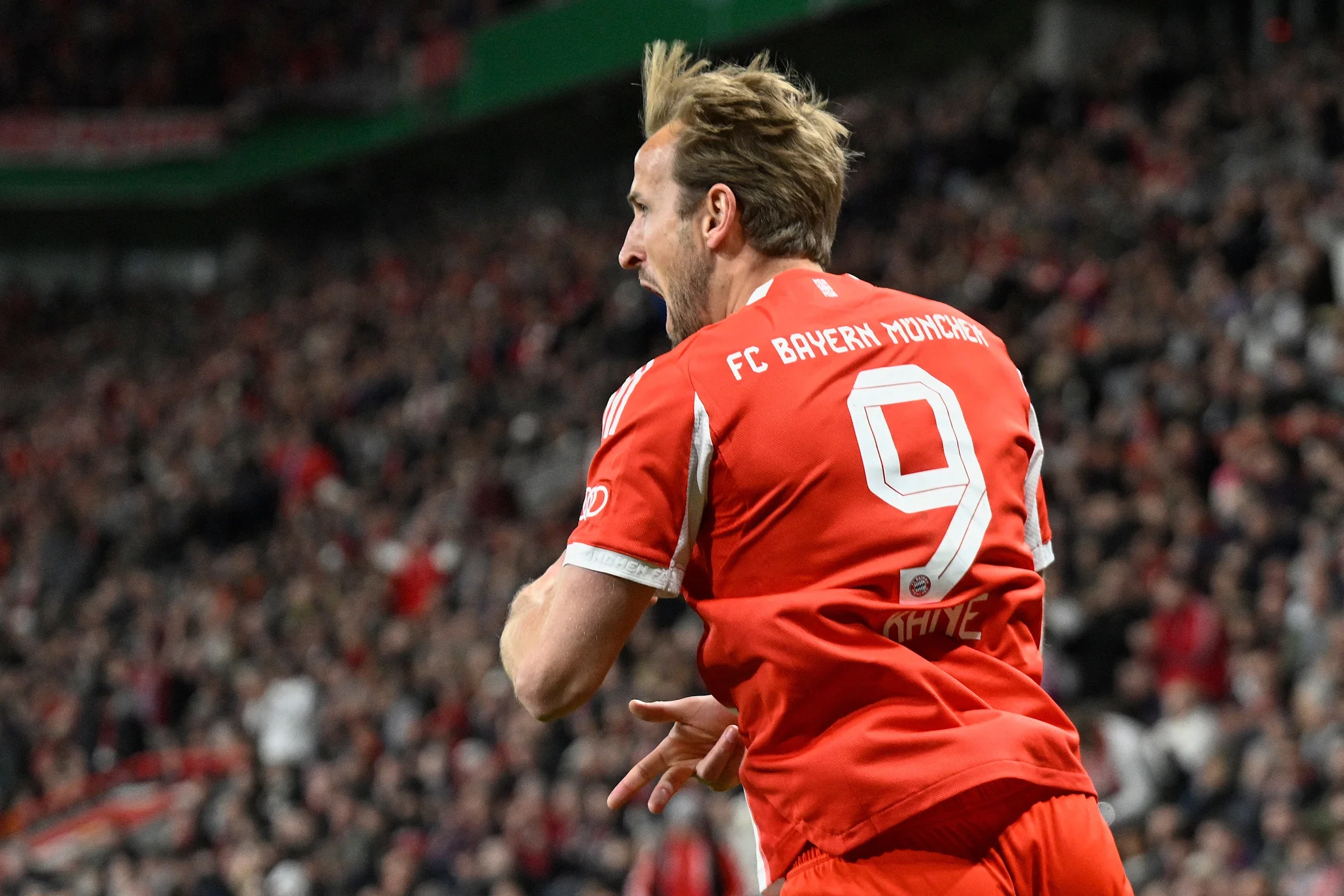 Bayern Munich's English forward #09 Harry Kane celebrates scoring the opening goal with his teammates during the German Cup (DFB-Pokal) semi-final football match between Bayer 04 Leverkusen and FC Bayern Munich in Leverkusen, western Germany on April 22, 2026. (Photo by INA FASSBENDER / AFP via Getty Images) / DFB REGULATIONS PROHIBIT ANY USE OF PHOTOGRAPHS AS IMAGE SEQUENCES AND QUASI-VIDEO. | AFP via Getty Images
Squad depth and the impact of second-half rotations
The final thirty minutes of the match demonstrated the widening gap in bench strength between the two clubs. Bayern’s ability to introduce fresh, high-caliber legs allowed them to maintain a high intensity of press while Leverkusen’s energy levels visibly waned. This depth proved decisive in securing the second goal and closing out the game.
Reports on the match aftermath suggest that the management of player workloads was central to the victory. By rotating effectively, Bayern avoided the late-game fatigue that often leads to defensive lapses in closely contested domestic fixtures. The victory serves as a baseline for how Bayern intends to manage the dense schedule of the Pokal and the Champions League moving forward.
Comments (0)
Please login to comment
Sign in to share your thoughts and connect with the community
Loading...