

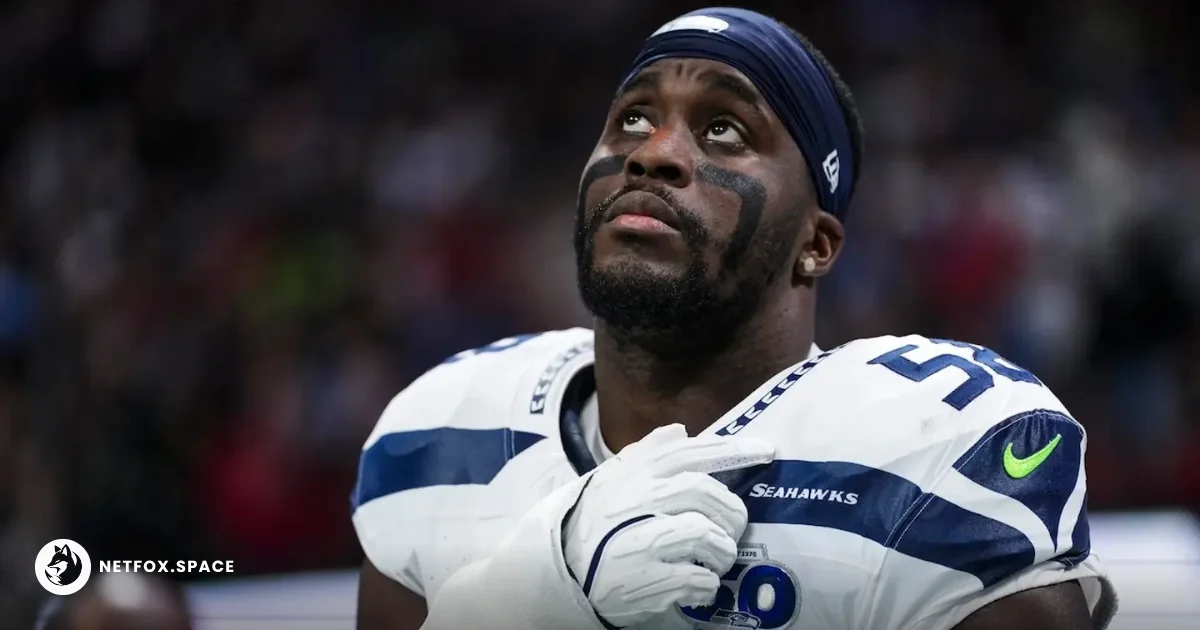
Following a career-defining performance in Super Bowl LX, Seattle Seahawks linebacker Derick Hall is opening up about the medical odds he overcame long before reaching the NFL.
A championship performance grounded in a 1% survival chance
Derick Hall’s contribution to the Seahawks’ recent victory over the New England Patriots highlighted by two sacks and a forced fumble cemented his status as a cornerstone of the Seattle defense. However, his journey to professional football began in a neonatal intensive care unit (NICU) in Gulfport, Mississippi. Born four months premature at just 24 weeks gestation, Hall weighed only 2 pounds and 1 ounce and was initially born without a heartbeat.
Medical professionals at the time gave Hall a 1% chance of survival, advising his mother, Stacy Gooden-Crandle, that he would likely remain in a permanent vegetative state if he survived at all. Hall’s mother famously refused to sign a do-not-resuscitate (DNR) order, a decision Hall credits as the foundation of his "miracle" trajectory.
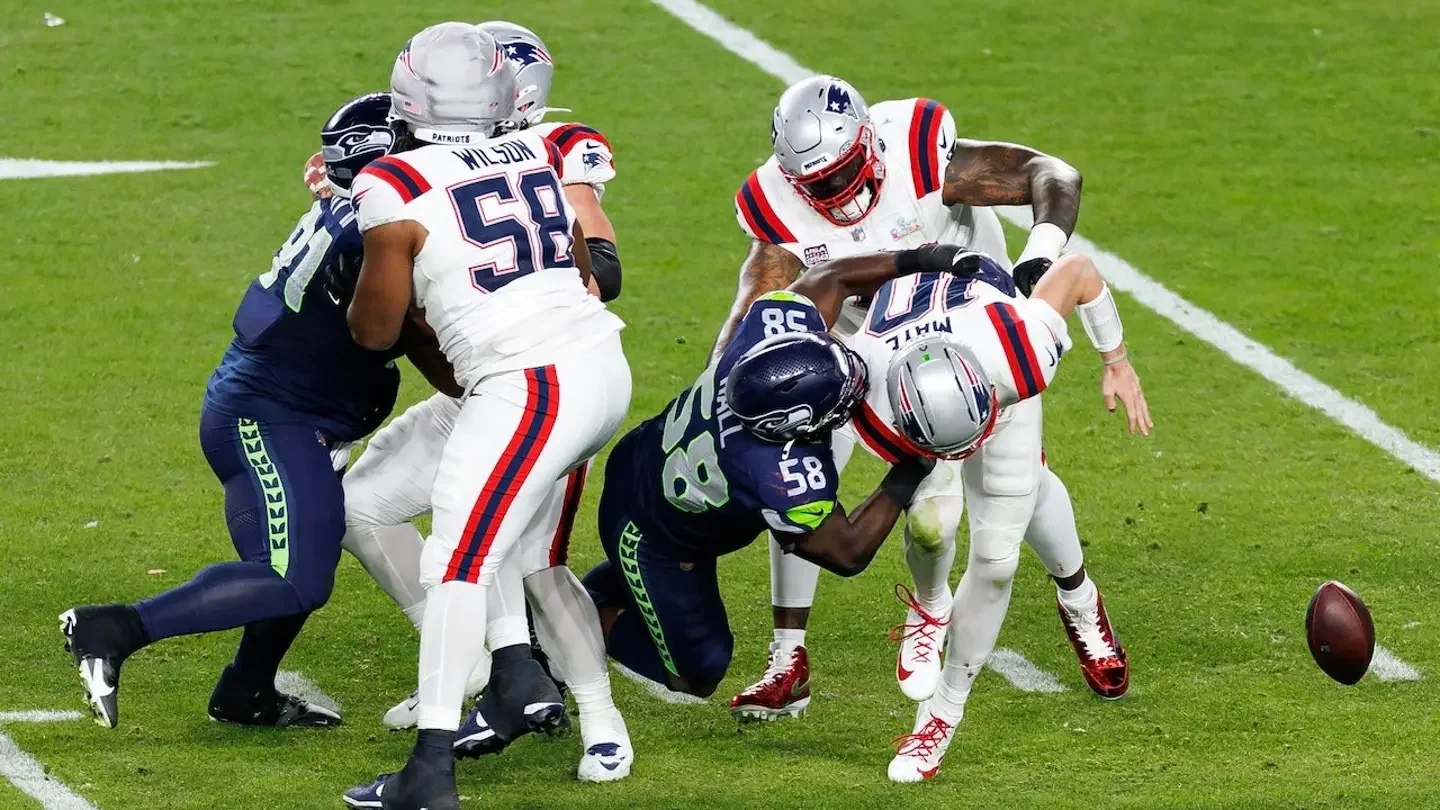 Derick Hall of the Seattle Seahawks strip sacks Drake Maye of the New England Patriots during the third quarter of the NFL Super Bowl LX at Levi's Stadium in Santa Clara, Calif., on Feb. 8, 2026. (Brooke Sutton/Getty Images)
The physiological reality of playing with underdeveloped lungs
From a practitioner's perspective, Hall’s success as an elite edge rusher is an anomaly given his medical history. Premature birth at 24 weeks often results in Bronchopulmonary Dysplasia (BPD), leading to long-term pulmonary limitations. Hall has confirmed that his lungs remain underdeveloped, functionally trailing his biological age by approximately three years.
In the high-intensity environment of the NFL, where pass-rushers rely on explosive anaerobic bursts followed by rapid aerobic recovery, this lung capacity deficit presents a significant operational hurdle. Hall managed these limits throughout his youth, often needing lengthy rest periods after just minutes of play. His ability to maintain a high snap count in the Super Bowl win suggests a highly specialized conditioning regimen designed to maximize his oxygen efficiency.
 Derick Hall of the Seattle Seahawks holds the Vince Lombardi trophy on stage with his teammates after winning Super Bowl LX against the New England Patriots at Levi's Stadium in Santa Clara, Calif., on Feb. 8, 2026. (Brooke Sutton/Getty Images)
Translating a personal "miracle" into charitable advocacy
Hall’s recent public comments coincide with a partnership with Huggies’ "Natural Born Fighters" campaign, aimed at supporting families currently navigating the NICU. Beyond commercial partnerships, the linebacker operates the Derick Hall One Percent Foundation, which provides resources for premature infants and addresses food insecurity in underserved communities.
For Hall, the Super Bowl ring is less a symbol of athletic dominance and more a validation of his faith-based perspective on his survival. He remains vocal about the fact that his presence on an NFL roster defies the statistical expectations set by his birth, viewing his career as a platform to provide visibility for the millions of families affected by premature birth each year.
Comments (0)
Please login to comment
Sign in to share your thoughts and connect with the community
Loading...