

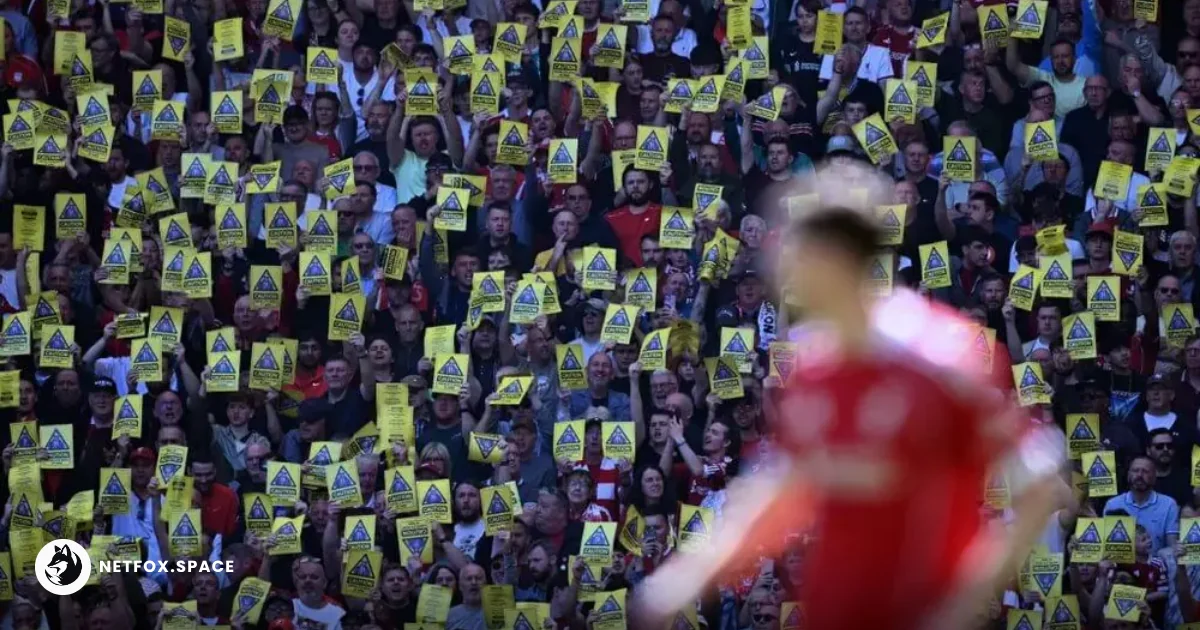
Liverpool supporters transformed the Kop into a sea of yellow during Saturday’s fixture against Crystal Palace, issuing a formal "yellow card" to the club’s hierarchy in response to a 2% rise in ticket prices for the 2026/27 season.
Fan groups coordinate a visual warning to FSG
The protest, organized by prominent supporters’ groups Spirit of Shankly and Spion Kop 1906, saw thousands of fans hold up yellow cards as the teams emerged from the tunnel. The choice of imagery is a deliberate footballing metaphor: a final warning before more drastic measures such as a mass walkout are considered.
While the club has framed the 2% increase as a necessary adjustment to rising operational costs, fan groups argue that the revenue generated is marginal compared to the club’s overall commercial growth. According to reports on the matchday atmosphere, the demonstration was marked by a notable absence of the traditional flag and banner displays on the Kop, which the groups had withdrawn to emphasize their discontent.
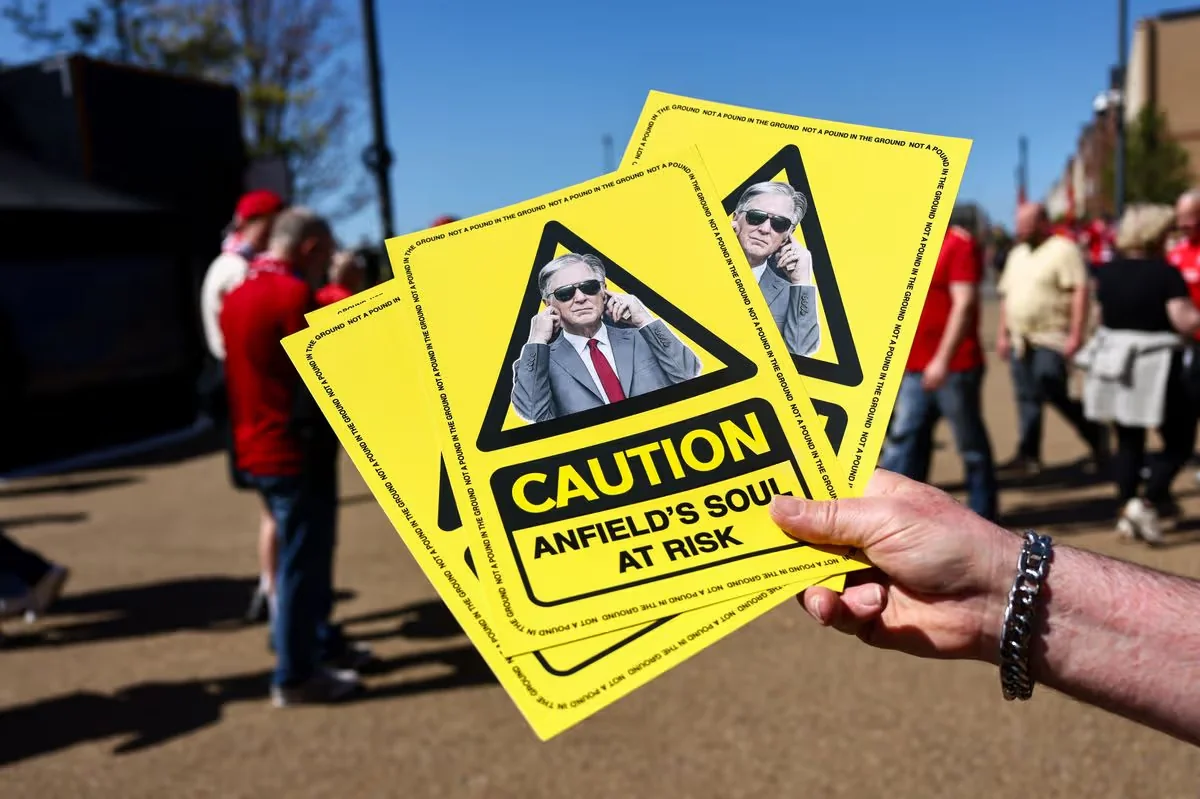 Yellow cards that Liverpool supporters raised in the 13th minute against Crystal Palace(Image: (Robbie Jay Barratt - AMA/Getty Images))
The disconnect between commercial revenue and ticket hikes
For many regular match-goers, the protest is not merely about the specific dollar amount of the increase, but the principle of continued financial pressure on local fans. Liverpool’s recent financial filings have shown record turnover, leading supporters to question why a relatively small sum estimated to be in the low millions across a full season must be squeezed from the gate.
The "yellow card" tactic reflects a sophisticated shift in fan activism. Rather than an immediate boycott, the groups are choosing to highlight the erosion of trust between Fenway Sports Group (FSG) and the local community. By withdrawing the visual pageantry that the club often uses in its own marketing materials, the fans are demonstrating their control over the "Anfield Brand" while still supporting the team on the pitch.
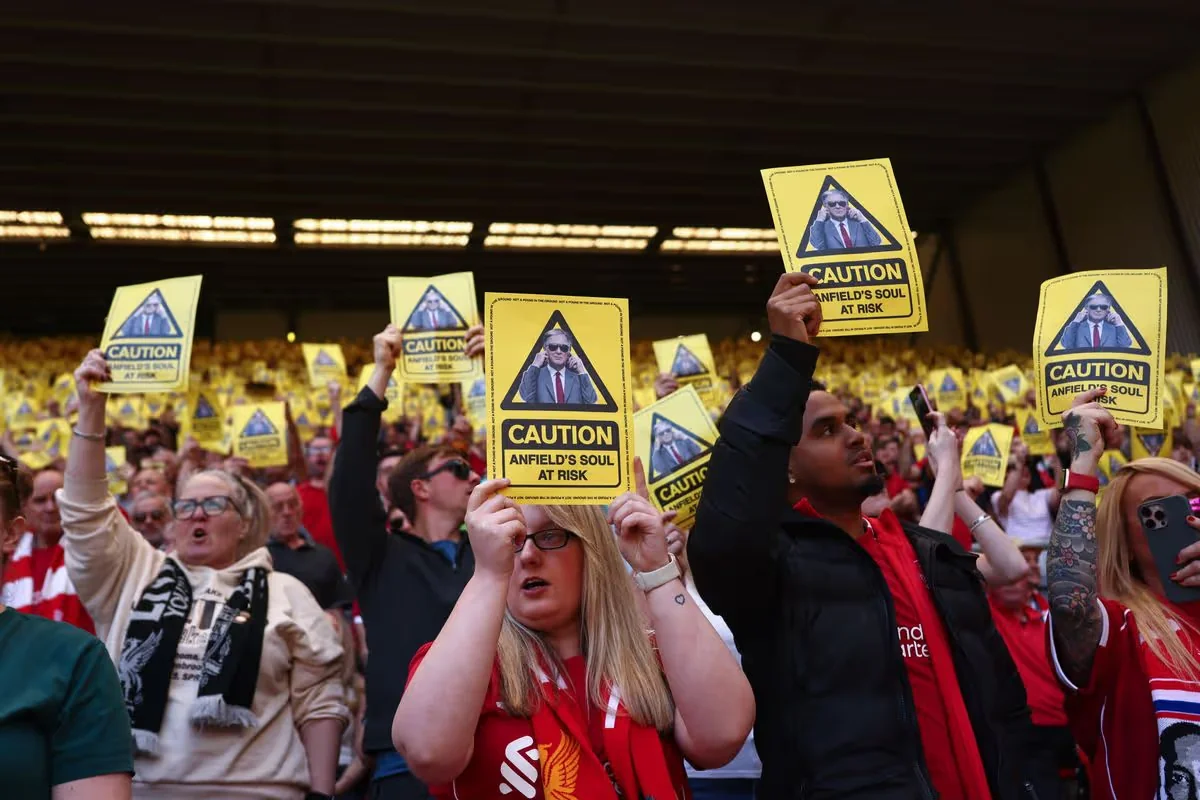 Fans of Liverpool protest against the clubs ownership, John Henry and FSG regarding ticket price increases
Operational implications for the 2026/27 season
The 2% rise applies to both general admission and season tickets, marking a consecutive year of increases after a long period of price freezes. The club has pointed to a 40% increase in matchday operating costs over the last six years as justification for the move. However, the timing is particularly sensitive as the Premier League enters a new, more lucrative domestic TV rights cycle.
As the protest actions during the Crystal Palace game showed, the fanbase remains highly organized. The key risk for the club is that a "yellow card" can quickly escalate. In 2016, a proposed £77 ticket price led to a mass walkout in the 77th minute of a game against Sunderland, which eventually forced a climbdown from the owners.
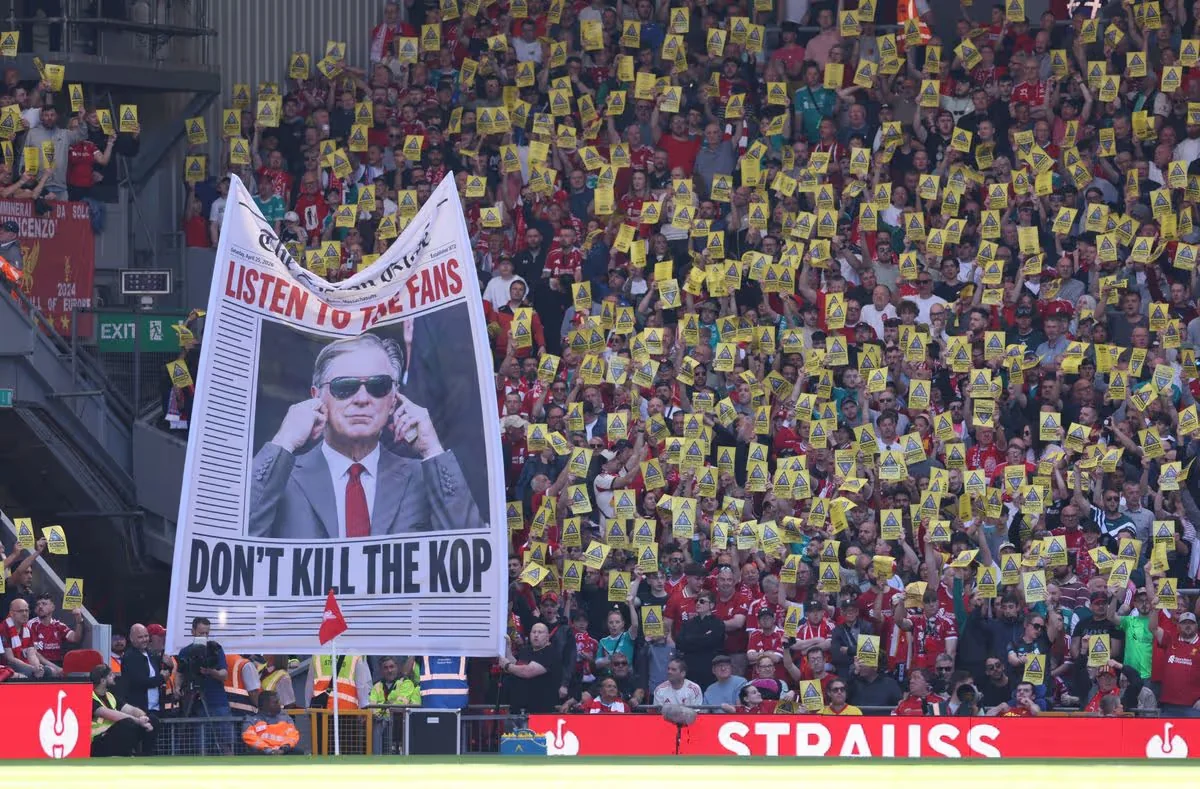 Fans of Liverpool protest rising ticket prices with posters that read 'Caution, Anfield's soul at risk'
Unresolved tensions and next steps for fan engagement
The Supporters Board, which was established to give fans a "meaningful voice" in the club’s governance following the European Super League collapse, had previously expressed "disappointment" that their opposition to the price hike was overruled. This suggests a potential breakdown in the consultative framework intended to prevent such public friction.
While the protest was peaceful and did not interrupt the flow of the match, it places significant pressure on FSG to engage in a new round of dialogue. Whether the club will consider a freeze for the following year or offer concessions on other matchday costs remains unconfirmed. For now, the yellow cards serve as a persistent reminder that the loyalty of the Anfield crowd is not a commodity that can be indefinitely taxed without consequence.
Comments (0)
Please login to comment
Sign in to share your thoughts and connect with the community
Loading...