


The Intersection of Heritage and Modern Pop Identity
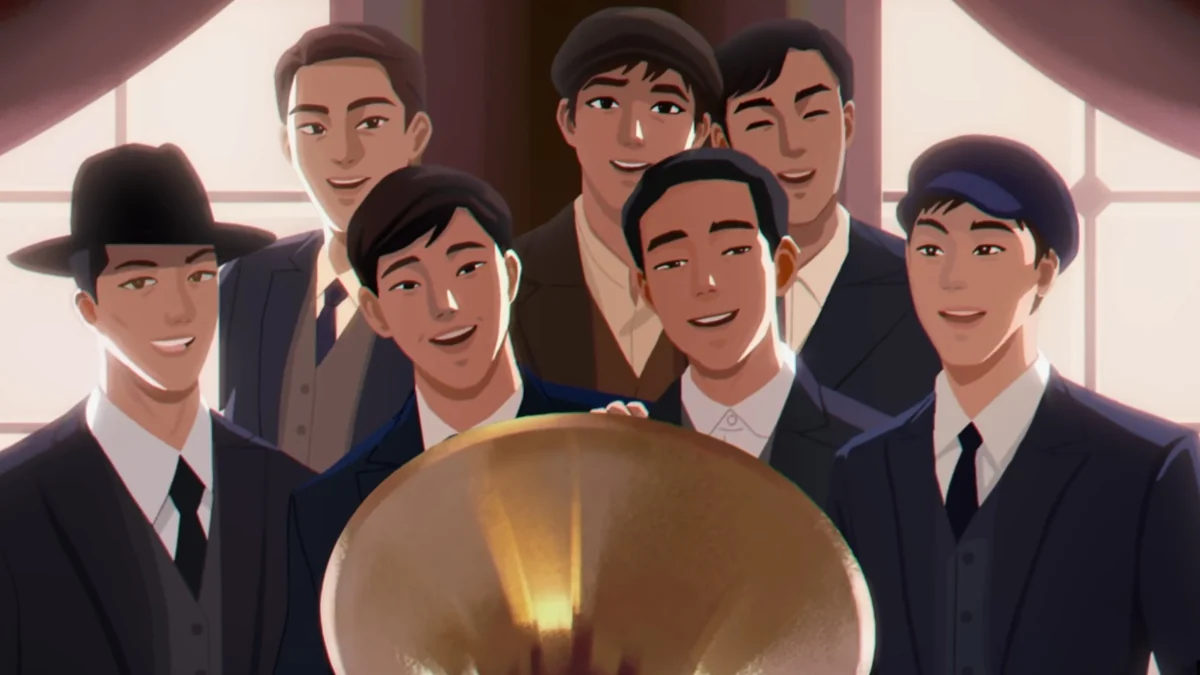
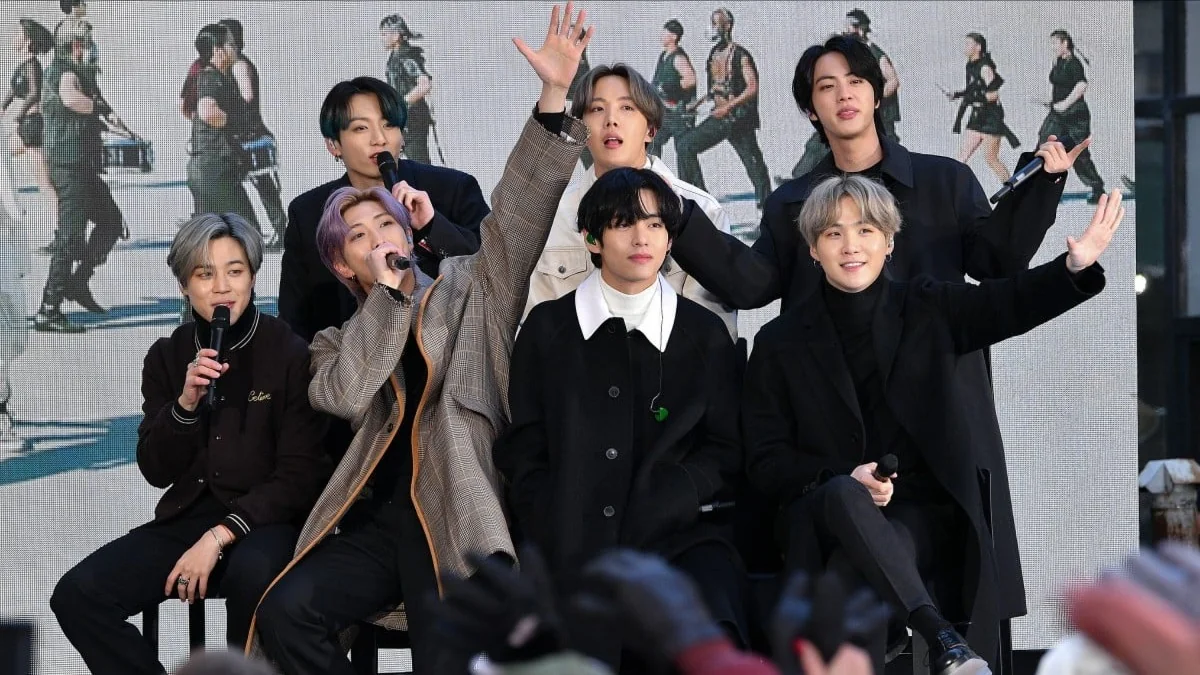
The HYBE-managed group BTS has released a teaser for a new project titled "ARIRANG," produced in collaboration with the National Museum of Korea. Moving beyond standard promotional cycles, the visual assets emphasize the philosophical inquiry, "What is your love song?"
This development positions the 21st-century K-pop phenomenon within the framework of the Korean Ministry of Culture, Sports and Tourism's broader efforts to digitize and globalize traditional assets. By utilizing the "Arirang" a folk song inscribed on the UNESCO Representative List of the Intangible Cultural Heritage of Humanity the group is formalizing their role as cultural ambassadors rather than mere musical entertainers.

Visual Semiotics and the National Museum Collaboration
The teaser's aesthetic departs from high-gloss choreography, opting instead for minimalist, high-contrast cinematography that highlights Korean artifacts. This strategic alignment with the National Museum of Korea serves to validate the "K-Idol" image through the lens of historical permanence.
The "Arirang" project functions as a bridge between the Entertainment Sector and national archival preservation. It leverages the global reach of the BTS ARMY fanbase to drive engagement toward South Korean history, effectively turning a pop teaser into an educational gateway for international audiences unfamiliar with the peninsula's pre-modern history.
The "Soft Power" Pivot: Beyond Musical Revenue
While competitors often focus on Western award circuits (Grammys, Billboard), this project represents a "soft power" pivot that internalizes Korean identity as a primary export. This is not a standard "comeback" single; it is a structural move to solidify the Korean Wave (Hallyu) as a permanent fixture in global high culture.
Unlike typical celebrity endorsements, the "Arirang" project uses "Information Gain" through historical storytelling. By asking "What is your love song?", the group connects a 600-year-old folk tradition to modern emotional resonance, ensuring that the South Korean brand is perceived as having deep intellectual and historical roots, rather than being a fleeting digital trend.
Structural Implications for the K-pop Export Model
This initiative signals a shift in how South Korea manages its creative economy. We are seeing the integration of traditional folk motifs into a digital-first distribution model, creating a new "Tech-Tradition" hybrid.
| Element | Traditional "Arirang" | BTS "Arirang" Project |
|---|---|---|
| Primary Goal | Communal identity/Resilience | Global cultural diplomacy |
| Medium | Oral tradition/Folk singing | Cinematic digital media |
| Primary Audience | Domestic Korean citizens | Global digital demographics |
| Institutional Stake | Local heritage sites | National Museum of Korea |
This structural shift suggests that future K-pop global strategies will increasingly rely on "National Brand" integration to navigate rising cultural protectionism in foreign markets. By anchoring their content in UNESCO-recognized heritage, HYBE creates a layer of "prestige immunity" that standard pop products lack.
Geopolitical Soft Power and the UNESCO Framework
The timing of this teaser aligns with South Korea's intensifying efforts to protect its cultural sovereignty in East Asia. By asserting a high-profile, modern claim over "Arirang," the project serves a dual purpose: it strengthens the internal national narrative and projects a modernized version of Korean identity to the West.
As the members of BTS transition through various stages of mandatory military service and solo endeavors, these heritage-focused projects maintain their collective "Entity" status in the global consciousness without requiring active touring. This ensures the group remains a central pillar of the Korean Creative Content Agency (KOCCA) long-term strategy, regardless of their active performance status.
The long-term impact of this project will be measured by its ability to convert pop-culture curiosity into sustained interest in Korean history, potentially altering the curriculum of Korean Studies programs worldwide and shifting the economic value of the Korean heritage sector.
Comments (0)
Please login to comment
Sign in to share your thoughts and connect with the community
Loading...