


Nikki Glaser Sharply Critiques CBS News Integrity During Golden Globes Monologue
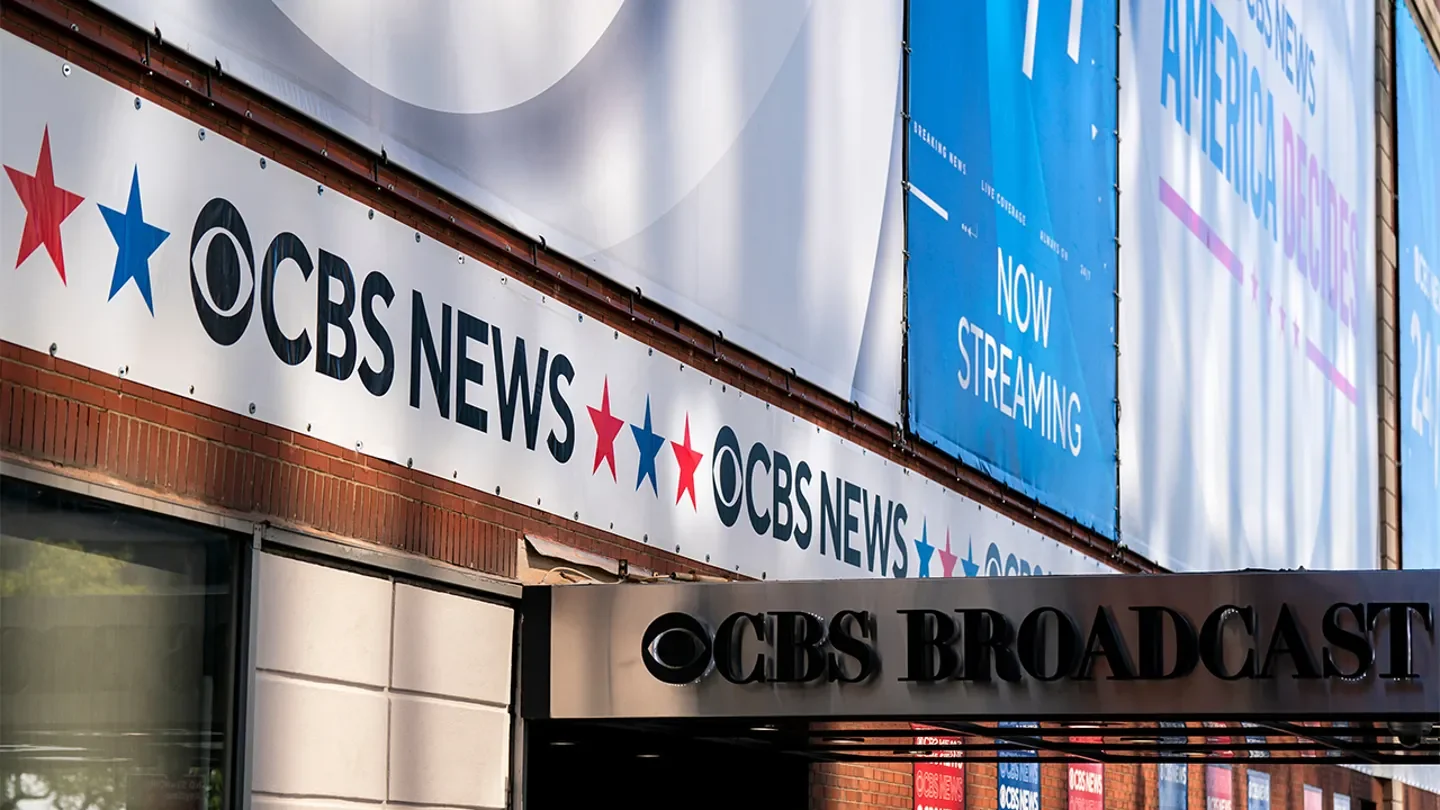
Comedian Nikki Glaser, hosting the 82nd Annual Golden Globes, sparked immediate industry reaction Sunday night after delivering a pointed jab at CBS News. During her opening monologue, Glaser utilized the network's own branding to highlight ongoing criticisms regarding its editorial standards and recent internal controversies.
The joke, which labeled the network "America's newest place to see BS news," arrives at a volatile moment for the legacy broadcaster. As the network navigates leadership transitions and public scrutiny over its newsroom independence, the viral moment underscored the intensifying intersection of Hollywood awards season and media industry accountability.
 The Viral Exchange and Industry Context
The Viral Exchange and Industry Context
Glaser’s commentary focused on the perceived decline in journalistic rigor at the network, specifically playing on the phonetic similarity between "CBS" and "BS." The remark was met with a mixture of gasps and laughter from the audience of high-profile actors, producers, and executives at the Beverly Hilton.
The critique follows a series of high-profile editorial disputes at the network over the past year. Industry analysts note that such public lampooning on a major televised platform often reflects broader sentiments regarding institutional trust in media.
 Editorial Controversies and Public Perception
Editorial Controversies and Public Perception
The joke likely referenced a string of recent incidents that have put CBS News in the crosshairs of media critics. These include internal disputes over the editing of high-profile political interviews and the handling of sensitive international reporting.
-
Interview Editing: Previous criticisms regarding the "60 Minutes" interview with political figures led to demands for unedited transcripts.
-
Internal Directives: Internal memos regarding terminology used in Middle East coverage previously sparked public pushback from both staff and external observers.
| Event Factor | Impact on Network Brand |
|---|---|
| Monologue Reach | Estimated 9–10 million live viewers |
| Social Sentiment | High engagement on platforms like X and TikTok |
| Network Response | No immediate official statement issued |
The Role of Satire in Media Accountability
The use of an awards show stage to critique a news organization reflects a long-standing tradition of late-night and stand-up comedians acting as "media watchdogs." By framing the critique within a joke, Glaser bypassed traditional PR barriers to address the network's recent reputational challenges directly to its peers.
This incident highlights the precarious position of legacy news outlets in the 2026 media landscape. As trust in traditional journalism remains a polarized issue, the speed with which a satirical comment can solidify into a narrative presents a significant challenge for network executives attempting to maintain an image of impartiality.
 Editorial Significance: Why This Matters
Editorial Significance: Why This Matters
The "Glaser effect" demonstrates that corporate branding is increasingly vulnerable to real-time cultural critiques. When a comedian targets a news organization’s core product its truthfulness it signals that the organization’s internal editorial struggles have successfully penetrated the mainstream consciousness. Moving forward, the pressure on CBS News to demonstrate transparency in its reporting processes will likely intensify as it seeks to reclaim a narrative of reliability ahead of the next major election cycle.
Can legacy networks successfully pivot toward radical transparency to outpace satirical critiques, or has the "BS news" label become an indelible part of the modern media brand?
Comments (0)
Please login to comment
Sign in to share your thoughts and connect with the community
Loading...