

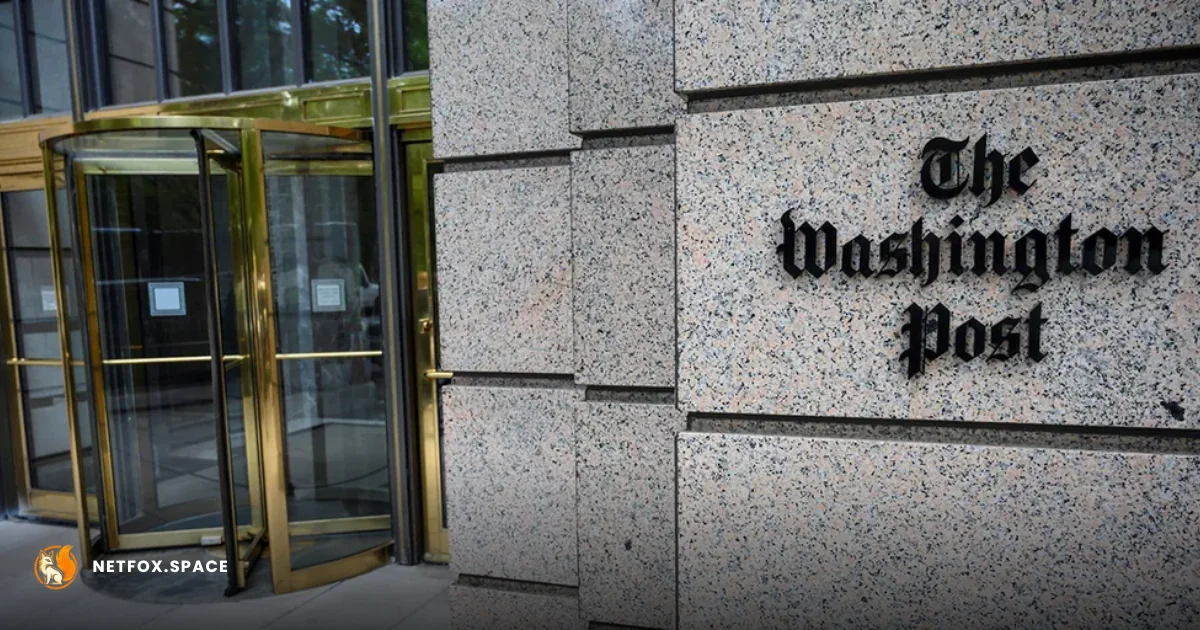
FBI Executes Search Warrant at Home of Washington Post Reporter
Federal agents searched the home of a veteran Washington Post reporter on Wednesday, a rare law enforcement action involving a member of the press that has sparked immediate concerns regarding First Amendment protections. The FBI confirmed the activity at the journalist's residence but declined to provide specific details regarding the nature of the investigation or the materials sought.
The Washington Post acknowledged the search in a brief statement, noting that the reporter has not been charged with any crime. The Justice Department’s "policy on seeking information from or records of members of the news media" generally restricts such invasive measures unless specific high-level authorizations are met, leaving the legal community speculating on the predicate for the warrant.
 Developing Scope of the Federal Inquiry
Developing Scope of the Federal Inquiry
While the FBI has not publicly unsealed the affidavit supporting the search warrant, the execution of such a move suggests a significant development in an ongoing federal probe. Under current Department of Justice guidelines, revised in 2022, the government is generally prohibited from using subpoenas or warrants to seize a reporter's work product or communications records.
Exceptions to these protections are narrow, typically involving instances where the journalist is a subject of the investigation for reasons unrelated to newsgathering, or if there is an imminent threat of loss of life or bodily harm. It remains unclear which, if any, of these exceptions were invoked to secure the warrant from a federal judge.
 Institutional Response and Legal Safeguards
Institutional Response and Legal Safeguards
The Washington Post has historically defended its staff against government overreach. Executive editors at the publication emphasized that they are seeking more information about the underlying probe while ensuring the reporter has access to legal counsel.
Press freedom advocates have reacted with caution, noting that the Biden administration previously pledged to end the practice of seizing journalists' records to identify confidential sources. Any deviation from that policy would represent a significant shift in the relationship between the executive branch and the national press corps.
| Incident Component | Status/Detail |
|---|---|
| Lead Agency | Federal Bureau of Investigation (FBI) |
| Target | Washington Post Reporter (Home Residence) |
| Legal Basis | Court-authorized Search Warrant |
| Charges Filed | None at time of reporting |
| DOJ Status | No official comment provided |
 Implications for Press Freedom and Executive Policy
Implications for Press Freedom and Executive Policy
This search occurs at a volatile intersection of national security and the First Amendment. If the investigation is found to be linked to the reporter’s professional work, it could trigger a legal showdown over the Privacy Protection Act of 1980, which limits the government's ability to search and seize materials from those engaged in public communication.
The central question moving forward is whether this action signals a more aggressive posture by federal law enforcement toward the media, or if the investigation involves personal conduct entirely separate from the reporter's role at the Post. The resolution of this case will likely define the boundaries of journalistic immunity in an era of heightened sensitivity regarding classified leaks and government transparency.
Comments (0)
Please login to comment
Sign in to share your thoughts and connect with the community
Loading...