

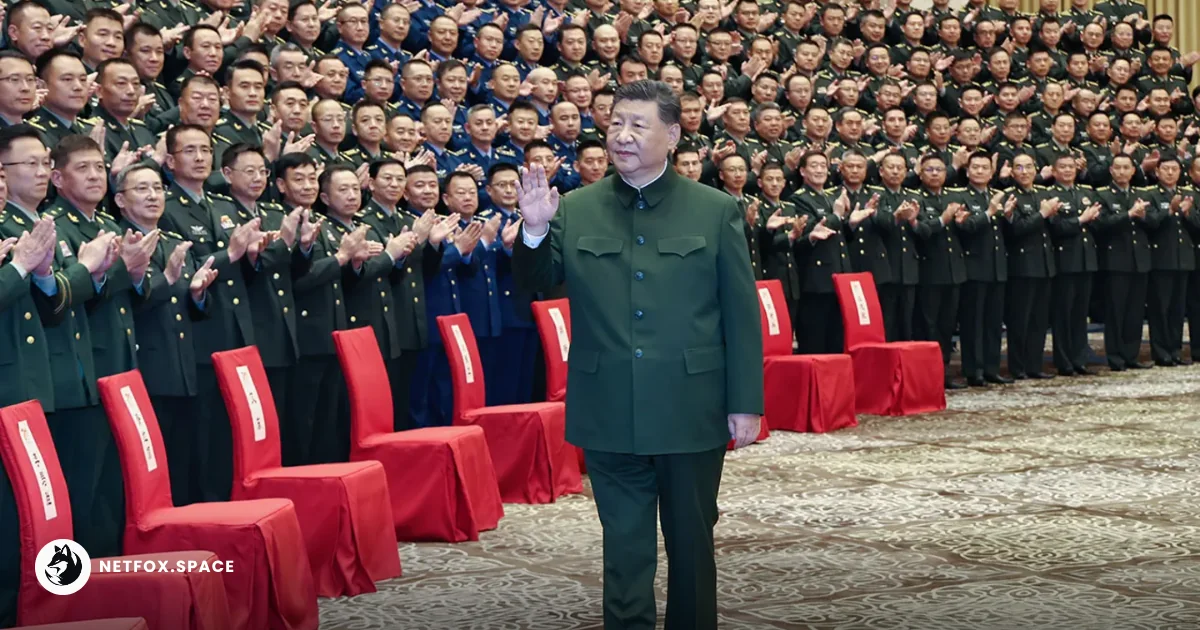
Shift in Intelligence Assessment for the Taiwan Strait
Recent assessments from the U.S. Intelligence Community indicate that the People’s Republic of China (PRC) has not established a definitive plan to launch a full-scale military invasion of Taiwan by 2027. While previous congressional testimony highlighted 2027 as a pivotal "window of vulnerability," current data suggests that President Xi Jinping and the Central Military Commission are prioritizing capability readiness over a fixed operational deadline.
This 2027 date, originally linked to the centenary of the People’s Liberation Army (PLA), is increasingly viewed as a benchmark for modernization rather than a confirmed launch date for kinetic action. Intelligence officials emphasize that while the military buildup continues at an unprecedented pace, political intent for an immediate cross-strait conflict has not yet crystallized into a formal directive.
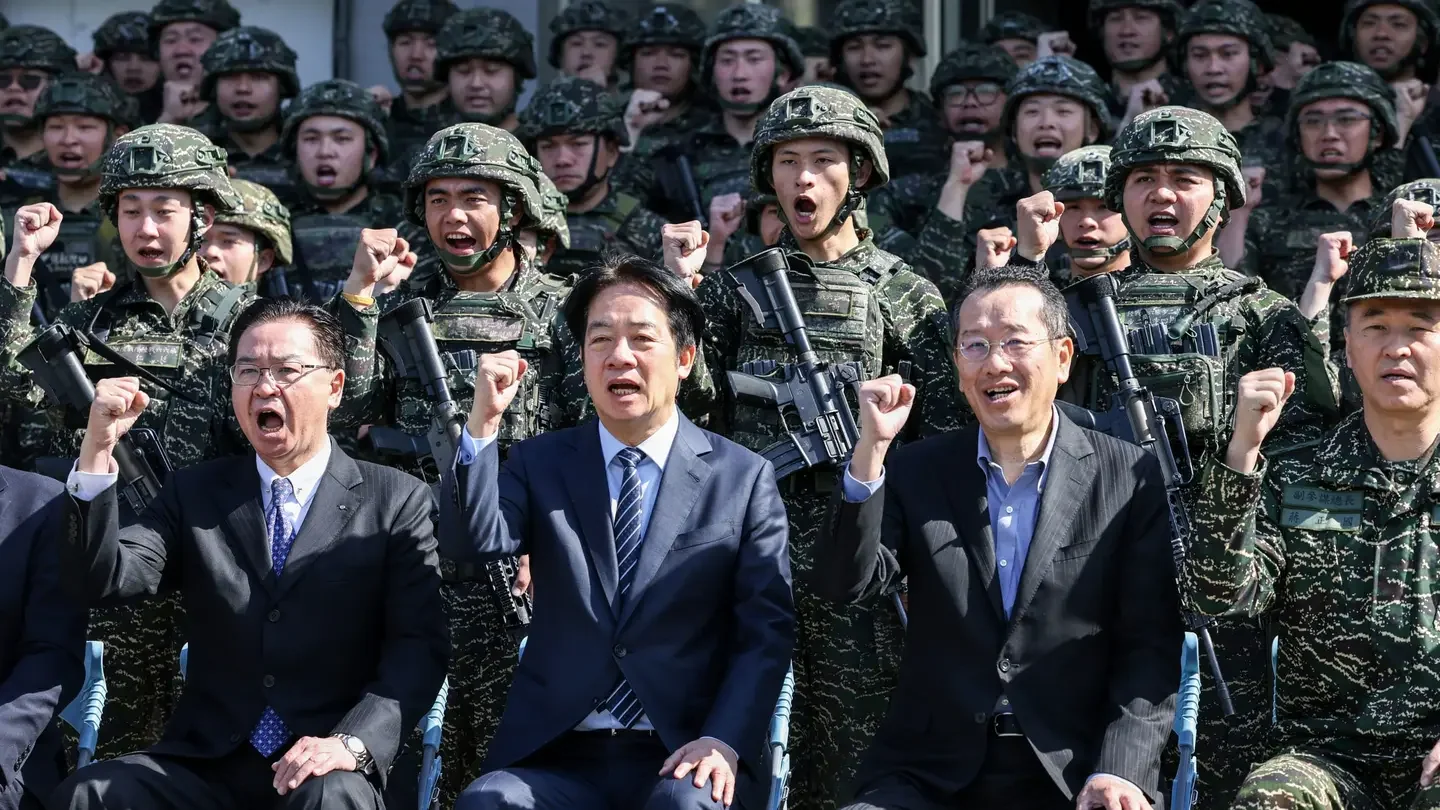 Taiwan's National Security Council Secretary-General Joseph Wu, Taiwan's President William Lai and Taiwan's Defense Minister Wellington Koo pose for photos with soldiers as they visit the troops. (I-HWA CHENG/AFP via Getty Images)
Strategic Ambiguity and Military Readiness Gaps
Despite the absence of an invasion mandate, the Department of Defense continues to monitor the rapid expansion of the PLA Navy and the deployment of advanced ballistic missile systems. The Office of the Director of National Intelligence (ODNI) notes that China’s leadership remains wary of the systemic risks associated with a high-intensity amphibious assault, which requires complex logistics that the PLA has not yet battle-tested.
The hesitation is partially attributed to observed difficulties in modern joint-warfare operations, as seen in global conflicts over the last four years. Beijing is likely conducting a cost-benefit analysis of the "2027 goal," weighing the risks of a failed military campaign against the benefits of continued economic and diplomatic coercion.
The Capability-Intent Gap: What Analysts Are Missing
While most Western analysis focuses on the "2027 window" as a countdown, the critical differentiation lies in the distinction between technical capability and political execution. The PLA may reach its modernization milestones by 2027 including carrier strike group integration and integrated sensory networks without the Chinese Communist Party intending to use them for an invasion.
The "Information Gain" here lies in the structural shift of Chinese strategy toward "Gray Zone" dominance. By focusing on a specific year for an invasion, international observers risk ignoring the incremental, non-kinetic annexation occurring through maritime blockades, airspace incursions, and cyber-infrastructure subversion. Beijing’s strategy appears to be focused on making Taiwan’s defense unsustainable over the long term, rather than a singular, high-risk military gamble in the immediate three-year horizon.
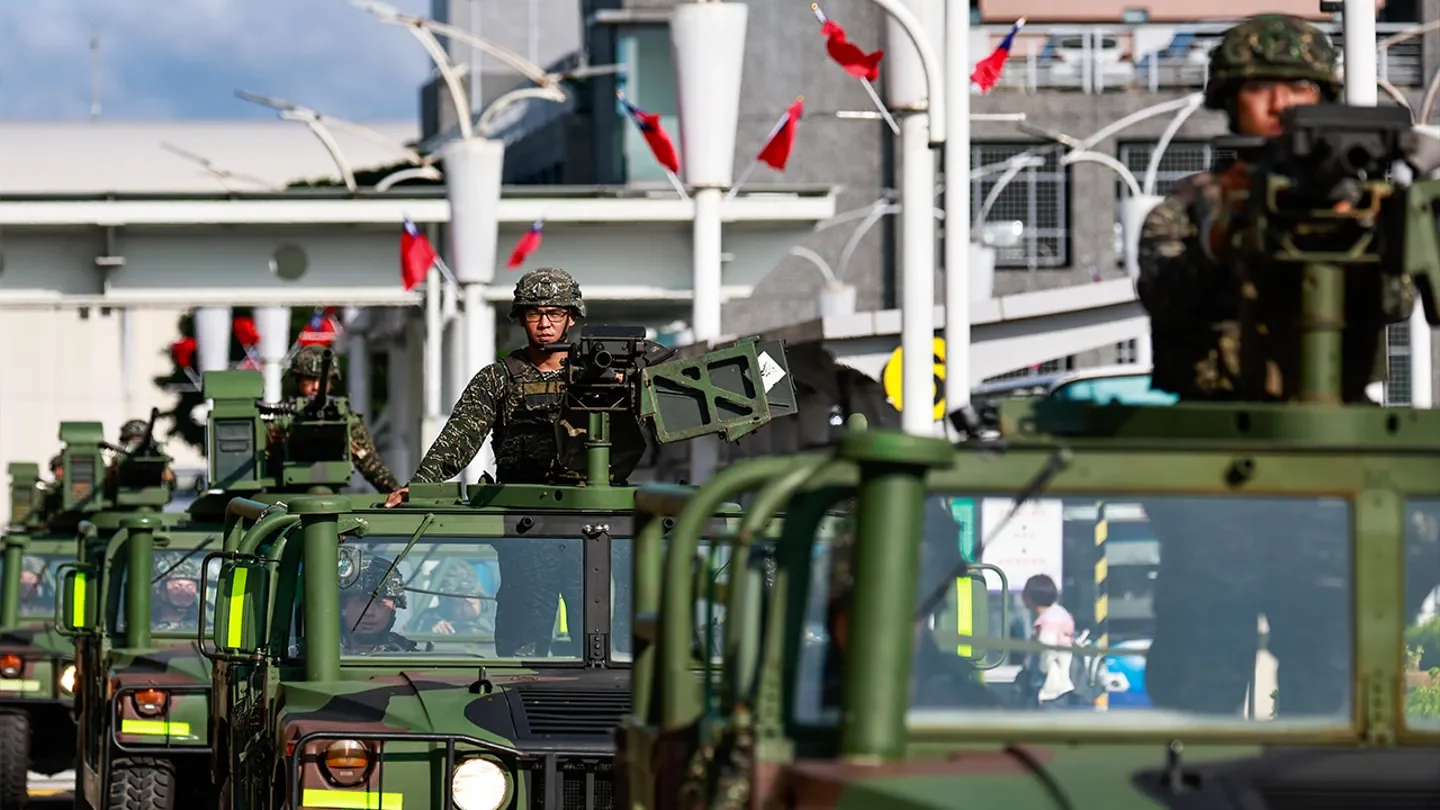 The updated assessment comes as the U.S. remains heavily engaged in a high-intensity conflict with Iran, raising new questions among defense analysts about how global tensions could shape Beijing’s calculus on Taiwan. (Daniel Ceng/Anadolu via Getty Images)
Comparison of Strategic Milestones
| Milestone Year | Objective Classification | Strategic Focus |
|---|---|---|
| 2027 | Centenary Goal | Mechanization and "Intelligentized" warfare capabilities. |
| 2035 | Intermediate Goal | Complete modernization of the national defense and armed forces. |
| 2049 | Centenary Goal | Achieving "World Class" military status and regional hegemony. |
Economic and Regulatory Deterrence Factors
The semiconductor industry remains a primary structural deterrent against a near-term invasion. Taiwan's dominance in the production of high-end logic chips creates a "Silicon Shield" that affects Chinese domestic stability as much as global markets. US intelligence suggests that Beijing is acutely aware that a kinetic conflict would likely trigger a total decoupling from the SWIFT banking system and a collapse of the integrated supply chains necessary for China's "Dual Circulation" economic strategy.
Furthermore, recent purges within the PLA Rocket Force and the defense ministry indicate internal friction and corruption concerns that may hamper operational reliability. These institutional instabilities provide a secondary layer of deterrence, as the leadership cannot guarantee the absolute loyalty or efficacy of the command structure during a complex cross-strait operation.
Escalation Without Invasion
The absence of an invasion plan does not equate to a reduction in regional tension. Instead, the risk shifts toward accidental escalation or a "quarantine" scenario where the PRC uses its coast guard and naval assets to restrict trade flow to the island. This tactical evolution forces the United States and its allies, including Japan and the Philippines, to recalibrate their defense posture from preparing for an "all-out war" to managing a state of perpetual, high-pressure maritime confrontation.
The persistent deployment of J-16 fighter jets and naval vessels across the median line of the Taiwan Strait serves to normalize the PLA presence, effectively erasing previous territorial boundaries without firing a shot. This strategy of "salami-slicing" sovereignty poses a more immediate challenge to international law than the specter of a 2027 amphibious assault.
Comments (0)
Please login to comment
Sign in to share your thoughts and connect with the community
Loading...