

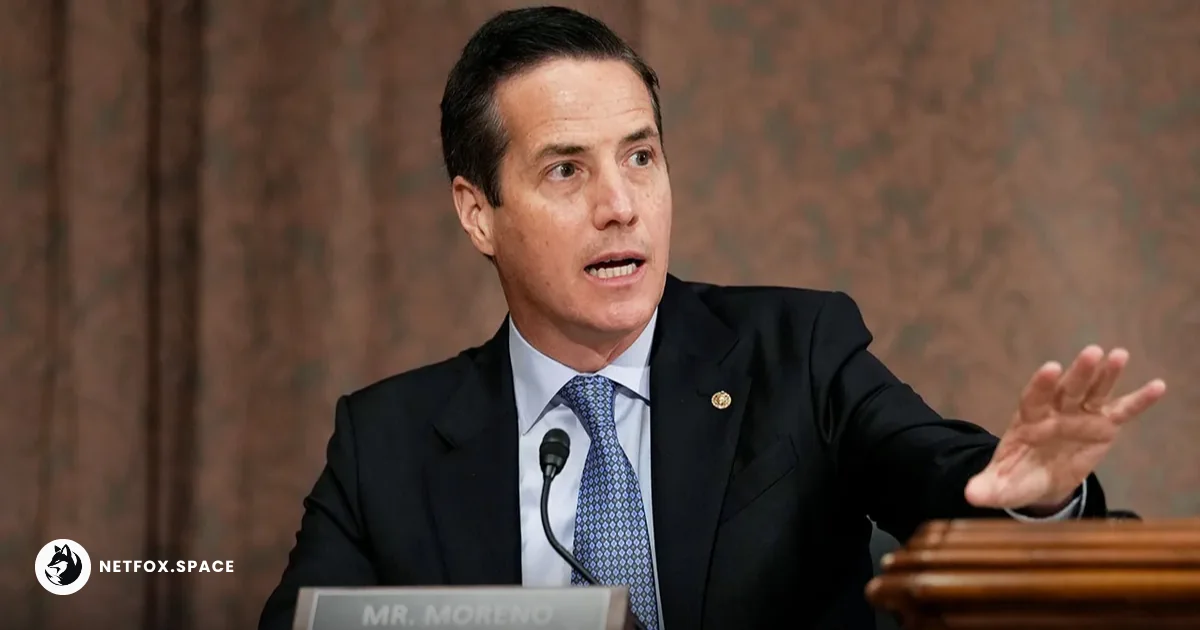
The U.S. Senate moved with rare unanimity on Thursday to immediately prohibit its members, officers, and staff from participating in prediction markets. The resolution, which modifies the chamber’s standing ethics rules, bars the use of platforms like Kalshi and Polymarket to bet on real-world outcomes, including elections, military actions, and economic data.
Immediate Rule Changes Target Institutional Conflicts
The resolution, spearheaded by Senator Bernie Moreno (R-Ohio), was approved via voice vote and went into effect the moment it passed. Unlike traditional legislation, this change to Senate Rule XXXVII (Conflict of Interest) does not require a signature from the President or approval from the House of Representatives. It functions as an internal disciplinary standard, meaning the Senate Select Committee on Ethics will be responsible for interpreting and enforcing the ban.
The move marks a significant expansion of congressional ethics at a time when traditional stock trading remains a point of contention. While bills to ban lawmaker stock trading have frequently stalled, the rapid adoption of the prediction market ban suggests a lower threshold for consensus regarding "event contracts" the financial instruments used to bet on specific occurrences.
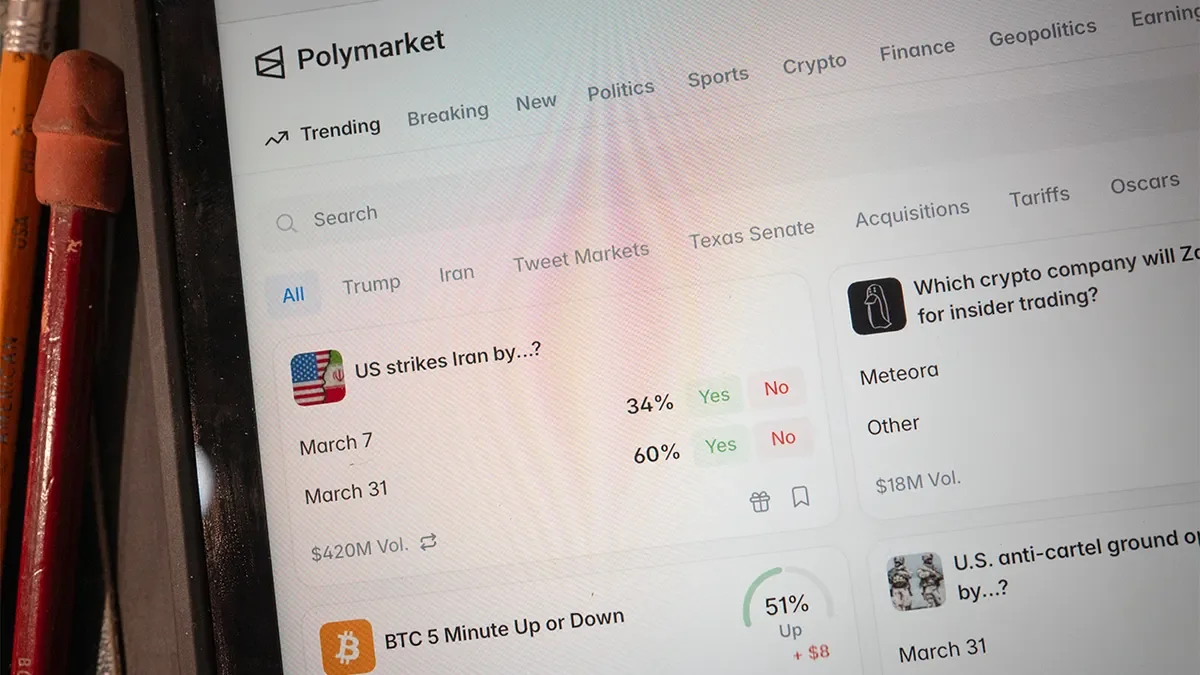 The Polymarket app is shown on a smartphone in Chicago on Feb. 25, 2026. Polymarket is an online prediction market platform. (Scott Olson/Getty Images)
Recent Leaks and the "Casino" Comparison
The urgency behind the vote followed high-profile allegations of insider trading involving sensitive national security information. In late April, a U.S. Army Special Forces soldier was charged with using classified intelligence regarding the capture of Venezuelan President Nicolás Maduro to place lucrative bets on Polymarket.
Senate leaders from both parties framed the ban as a necessary defense against turning the federal government into a "casino." Senate Democratic Leader Chuck Schumer noted that allowing members to gamble on wars or economic crises would undermine the principle of representative government. An amendment by Senator Alex Padilla (D-Calif.) specifically ensured that the restrictions applied to Senate staffers and officers, who often have equal access to non-public briefings.
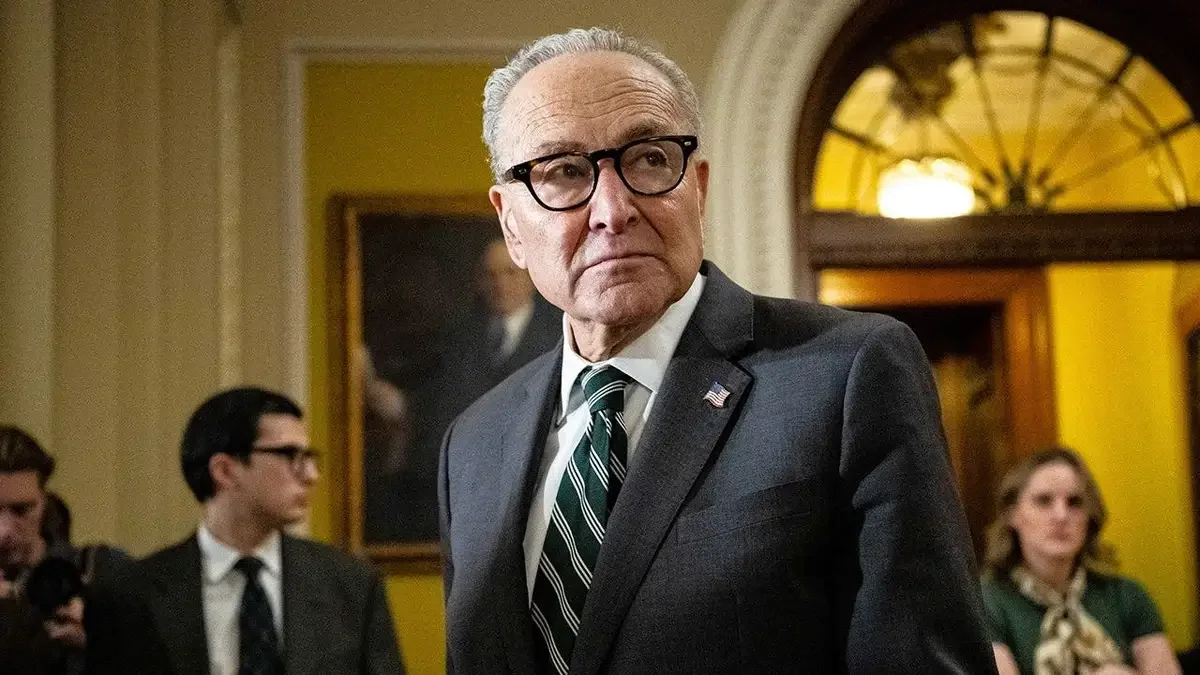 Senate Minority Leader Chuck Schumer, a Democrat from New York, is seen during a news conference following the weekly Senate Democrat policy luncheon at the U.S. Capitol in Washington, D.C., on March 17, 2026. (Graeme Sloan/Bloomberg via Getty Images)
Definitional Constraints and the Regulatory Gap
A critical technical aspect of the new rule is the precise definition of "event contracts." To avoid unintended consequences for broader financial markets, the Senate's language excludes traditional insurance agreements and standard commercial contracts. However, the rule does not prohibit traditional gaming or sports betting, maintaining a distinction between "prediction markets" which often mirror political and geopolitical outcomes and general recreation.
While the Senate has acted, a notable regulatory gap remains. The ban does not currently extend to the House of Representatives or the Executive and Judicial branches. Lawmakers have called on Speaker Mike Johnson and the Trump administration to adopt similar self-regulatory measures, but until such rules are codified across all branches, the federal government's policy on prediction market speculation remains fragmented.
US Senate bans prediction market trading This video provides local reporting on the legislative push to curb prediction markets and the bipartisan concerns regarding their use as gambling tools by officials.
Comments (0)
Please login to comment
Sign in to share your thoughts and connect with the community
Loading...