
DOJ joins Musk xAI Lawsuit Against Colorado AI Bias Law

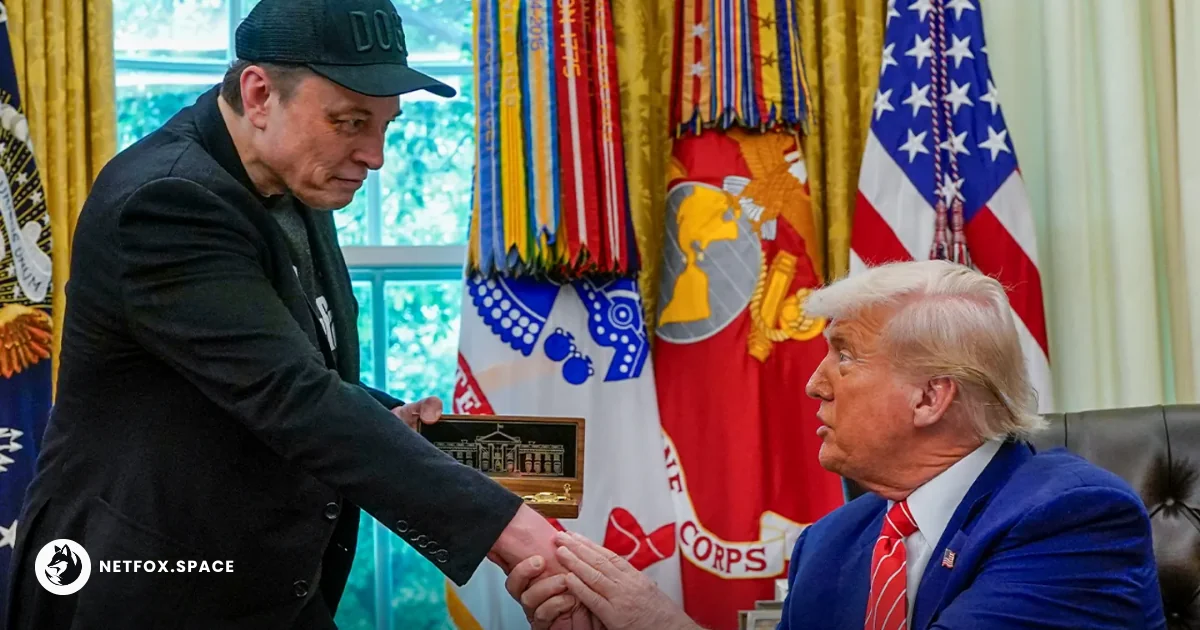
The U.S. Department of Justice has formally entered the legal battle between Elon Musk’s xAI and the State of Colorado, filing a Statement of Interest that supports the tech company’s efforts to block a landmark artificial intelligence regulation. The intervention marks a significant pivot in federal AI policy, prioritizing First Amendment protections over state-level mandates aimed at algorithmic transparency and bias mitigation.
Federal intervention targets Colorado’s algorithmic transparency mandates
The Department of Justice (DOJ) filed its support in the U.S. District Court for the District of Colorado, specifically challenging the constitutionality of Colorado Senate Bill 24-205. This state law, often cited as a first-of-its-kind framework in the U.S., requires developers of "high-risk" AI systems to disclose how their models are trained and to implement measures to prevent "algorithmic discrimination."
In its filing, the DOJ argues that the state’s requirements amount to unconstitutional compelled speech. The department’s position is that by forcing AI developers to include specific disclosures or adhere to state-defined "anti-bias" parameters, Colorado is infringing upon the editorial discretion of developers. This signals a broader executive branch effort to treat AI model weights and outputs as protected speech, a move that could effectively neuter similar regulatory attempts in other states.
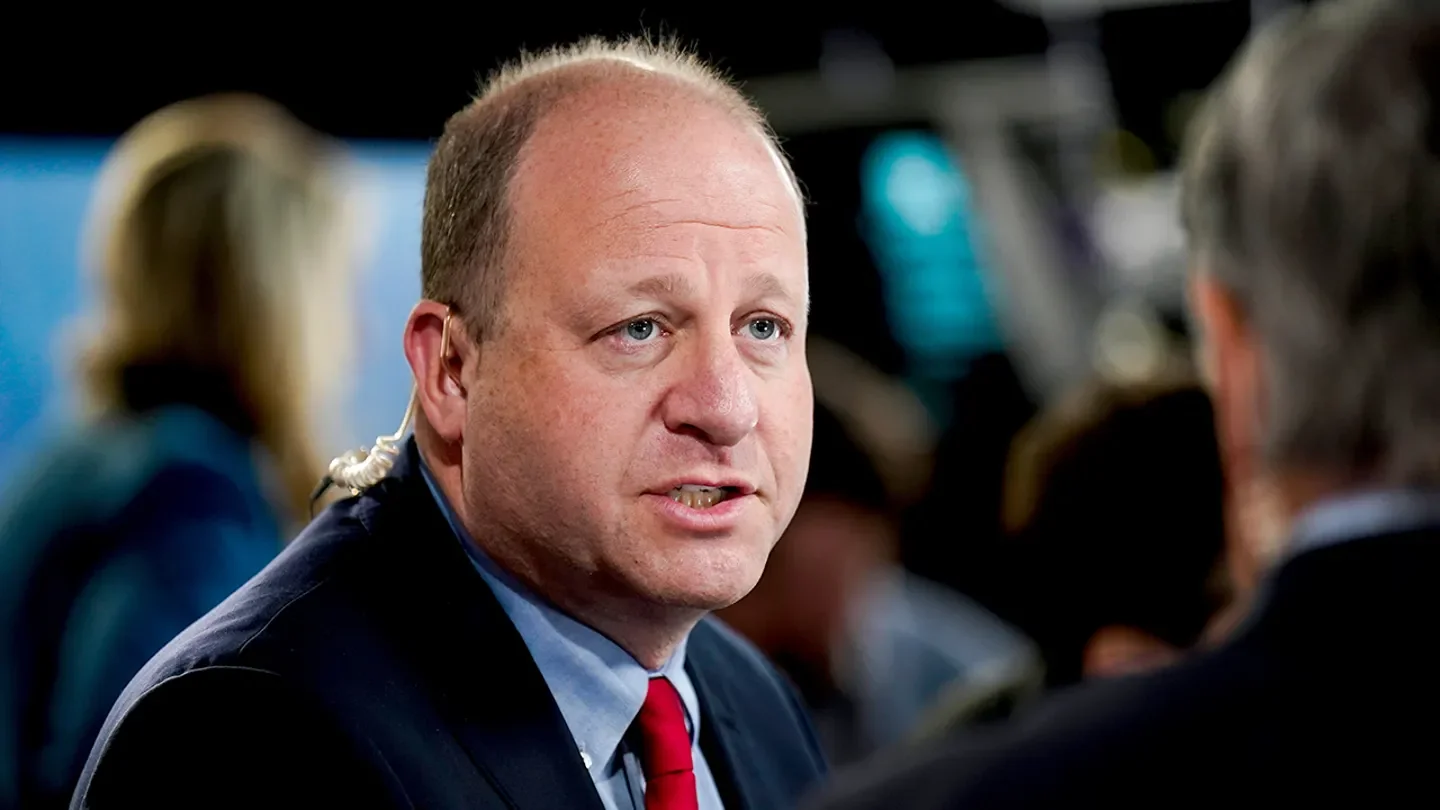 Colorado Gov. Jared Polis speaks to members of the media in the spin room after the first vice presidential debate at the CBS Broadcast Center in New York on Oct. 1, 2024. (Al Drago/Bloomberg)
The legal tension between anti-discrimination and "computational speech"
The core of the dispute rests on whether an AI model’s output constitutes the protected speech of its creator. xAI’s original complaint against Colorado argued that the law’s "diversity and inclusion" mandates act as a form of government-mandated censorship. By joining the suit, the DOJ has elevated this from a corporate grievance to a matter of federal interest, suggesting that state-level diversity requirements are incompatible with federal protections of free expression.
Practitioners in the AI space note that if the DOJ's interpretation prevails, it would create a high bar for any government body attempting to regulate "bias" in large language models. The argument hinges on the idea that "de-biasing" a model is not a neutral technical act, but a value-laden editorial choice. Under this framework, Colorado’s attempt to mandate "fairness" is viewed by the current administration as an attempt to enforce a specific political orthodoxy on technology providers.
 The Grok application appears on a smartphone screen in Athens, Greece, on Oct. 2, 2025. (Nikolas Kokovlis/NurPhoto)
Shifting regulatory risks from state to federal preemption
The DOJ’s move reflects a broader strategic shift in the federal government’s approach to technology oversight. While the previous administration had explored executive orders to manage AI risk, the current filing suggests a move toward federal preemption—the idea that federal law or constitutional protections override individual state statutes.
According to legal filings and reports on the intervention, the DOJ is concerned that a "patchwork" of state regulations will stifle domestic AI development and cede ground to international competitors. However, the immediate consequence for operators is a period of heightened legal uncertainty. While the DOJ's support strengthens xAI's position, the law remains on the books in Colorado, and the state has indicated it will defend the measure as a necessary consumer protection against automated harms in housing, employment, and lending.
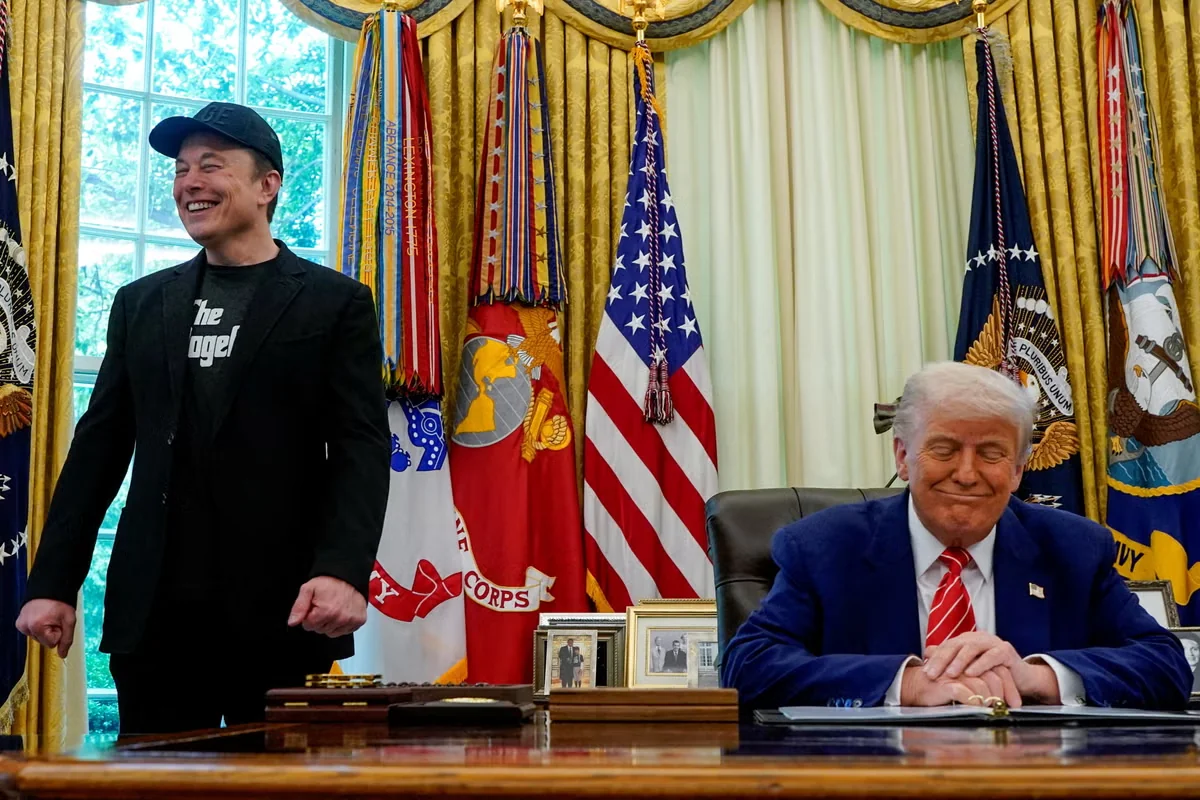 Elon Musk seems distracted as he stands alongside President Donald Trump in the Oval Office on his last official day as a special government employee. (Screengrab / Pool)
Unresolved questions regarding commercial AI applications
Despite the DOJ’s forceful entry into the case, several operational questions remain unaddressed. The current Statement of Interest focuses heavily on the First Amendment implications of model output, but it is less clear how this defense applies to AI used for purely administrative or commercial decisions, such as credit scoring or resume screening.
Furthermore, the DOJ has not yet clarified if it intends to challenge every aspect of the Colorado law or only those pertaining to "generative" AI models. For now, the legal battle remains focused on the threshold of speech: if an algorithm’s code is speech, then any regulation requiring that code to behave differently based on state-mandated social criteria may be doomed in federal court. Defenders of the Colorado law maintain that the statute regulates "conduct"—the act of discriminating—rather than speech, a distinction that will likely form the basis of the state's counter-argument in the coming months.
Comments (0)
Please login to comment
Sign in to share your thoughts and connect with the community
Loading...