

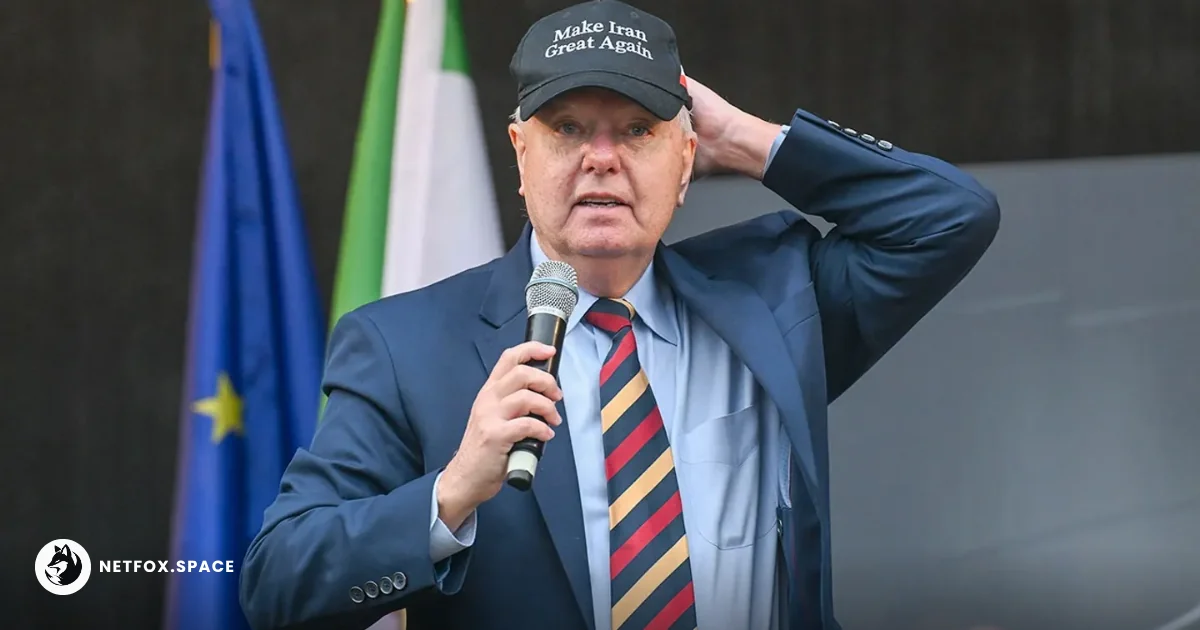
Senator Lindsey Graham (R-S.C.) stated on Thursday that the current U.S.-led efforts to restrict Iranian oil exports are positioned to transition into a broader global blockade. The remarks follow the senator's recent discussions with Donald Trump regarding the North Atlantic Treaty Organization (NATO) and Middle Eastern security strategy.
Shift from unilateral sanctions to multilateral enforcement
In an appearance on Fox News, Graham indicated that the strategy to "choke off" the financial resources of the Iranian government is gaining momentum beyond U.S. jurisdiction. The senator framed the proposed blockade not merely as a set of financial sanctions, but as a coordinated international effort to prevent Iranian oil from reaching global markets.
This rhetoric suggests a shift in focus toward maritime enforcement and secondary sanctions designed to compel international compliance. Graham emphasized that the objective is to dismantle Iran's capability to fund its nuclear program and regional proxies, asserting that the initiative could become global soon.
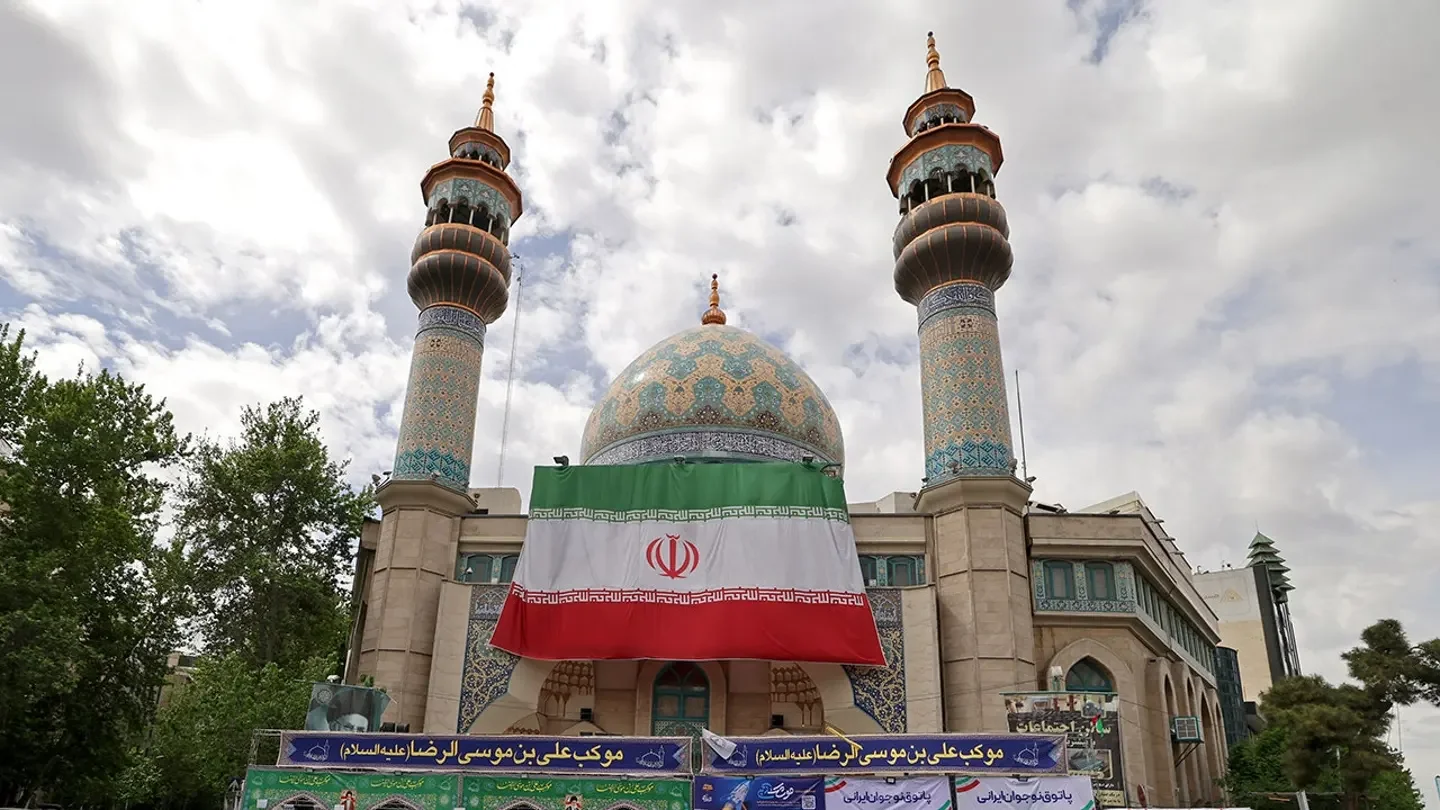 Motorists ride past the Imam Sadiq mosque with a giant Iranian flag installed on its front at the Palestine Square in Tehran on April 19, 2026. (Atta Kenare/AFP via Getty Images)
Coordination with Trump on regional security
The senator's comments come after a period of close consultation with Donald Trump. Graham noted that his discussions with the former president have focused on realigning international alliances to apply maximum pressure on Tehran.
While the U.S. has historically maintained a "maximum pressure" campaign, a truly global blockade would require significant diplomatic heavy lifting, particularly with major oil consumers in Asia and Europe. Graham's statements imply that a framework for this cooperation is currently being socialized among allies, though he did not name specific participating countries or provide a definitive timeline for implementation.
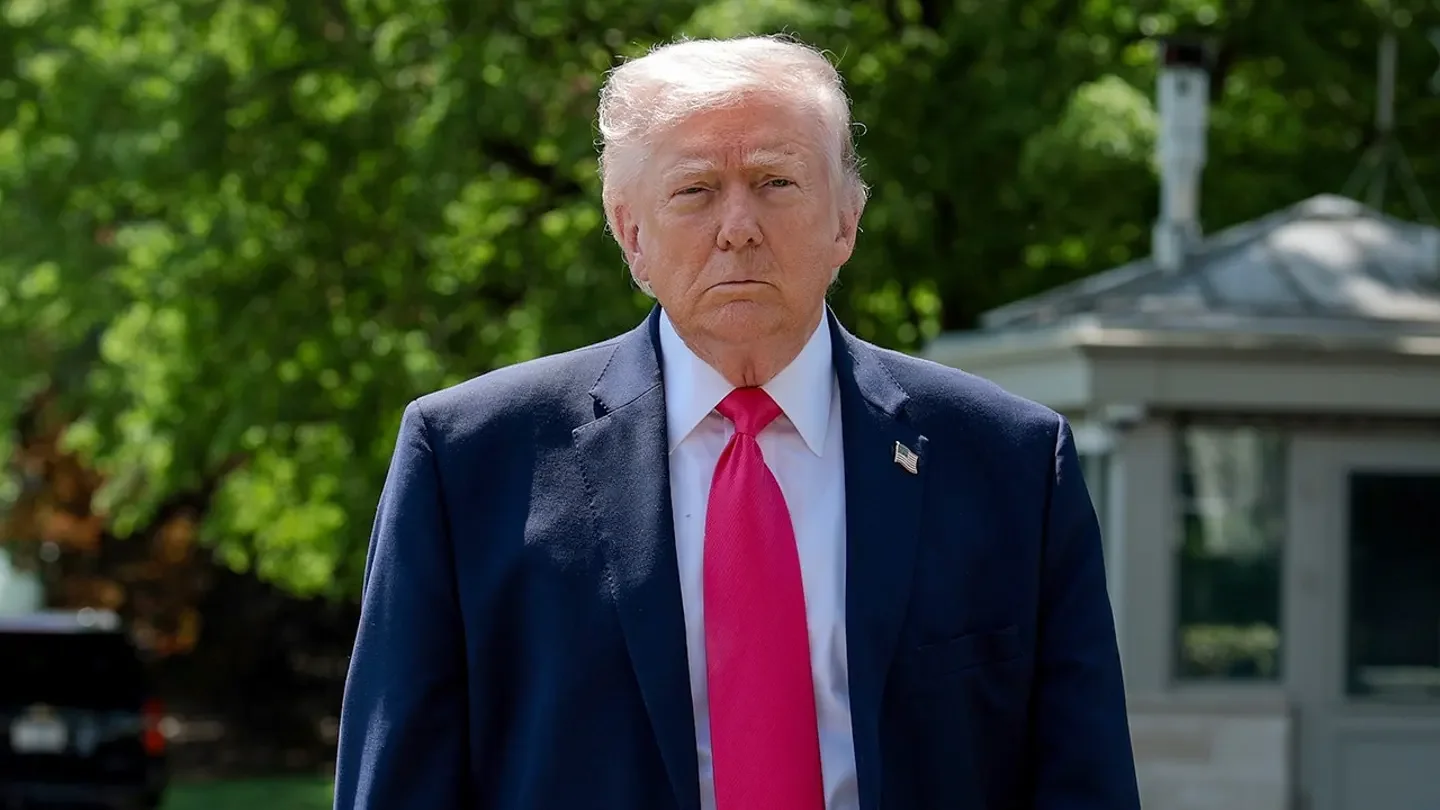 President Donald Trump walks over to speak to the media before boarding Marine One on the South Lawn of the White House on April 16, 2026, in Washington, D.C. (Anna Moneymaker/Getty Images)
Diplomatic and economic hurdles remain unconfirmed
Despite the senator’s confidence, a global blockade faces substantial procedural and geopolitical challenges. Under international law, a blockade typically requires a state of armed conflict or a specific United Nations Security Council mandate, neither of which is currently in place regarding Iranian energy exports.
Observers note that Graham’s use of the term "blockade" rather than "sanctions" signals an escalation in intent. However, the degree to which other global powers are willing to risk energy price volatility or direct confrontation with Iranian naval forces to support this policy remains the primary unanswered question in this strategic pivot.
Comments (0)
Please login to comment
Sign in to share your thoughts and connect with the community
Loading...