
Olly Robbins Vetting Testimony: Starmer Civil Service Rift

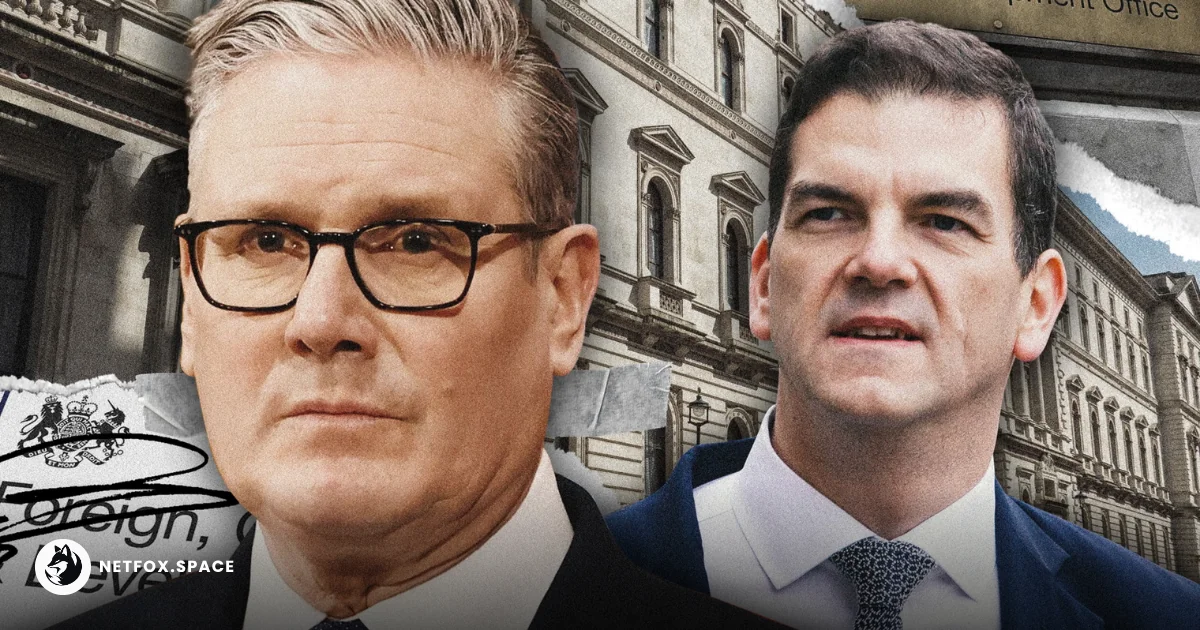
The dismissal of Sir Olly Robbins has moved beyond a personnel dispute, exposing a significant procedural fracture between Downing Street and the permanent civil service regarding national security protocols.
The conflict over Lord Mandelson’s security clearance
At the heart of the current friction is the vetting process for Lord Mandelson, who was appointed as the UK’s ambassador to the United States. Sir Olly Robbins, the former permanent undersecretary at the Foreign Office, testified before the foreign affairs select committee that he faced "intense pressure" from Number 10 to expedite and approve Mandelson’s Developed Vetting (DV) status.
This tension stems from a fundamental disagreement over how personal history intersects with security eligibility. Robbins suggested that while "due diligence"—the assessment of political and reputational risk—might have been satisfied by Downing Street, the separate security vetting process conducted by specialized agencies had raised significant flags. According to the testimony regarding the vetting recommendation, the agency was leaning toward a refusal to improve Mandelson's clearance level.
The distinction is critical for practitioners: due diligence is a political filter, whereas Developed Vetting is a standardized, non-partisan security assessment designed to identify vulnerabilities to coercion or blackmail. The collapse of the relationship occurred when these two distinct processes were seemingly conflated by political advisors.
Allegations of a "dismissive" approach to security protocols
Robbins’ defense centered on what he described as a "dismissive approach" to security vetting from Number 10. He alleged that Morgan McSweeney, a key figure in Starmer’s inner circle, pressured the Foreign Office to bypass standard procedures, reportedly demanding the approval be finalized without the usual rigor. Furthermore, Robbins claimed that Lord Mandelson was permitted to view confidential documents before his security vetting had been officially completed.
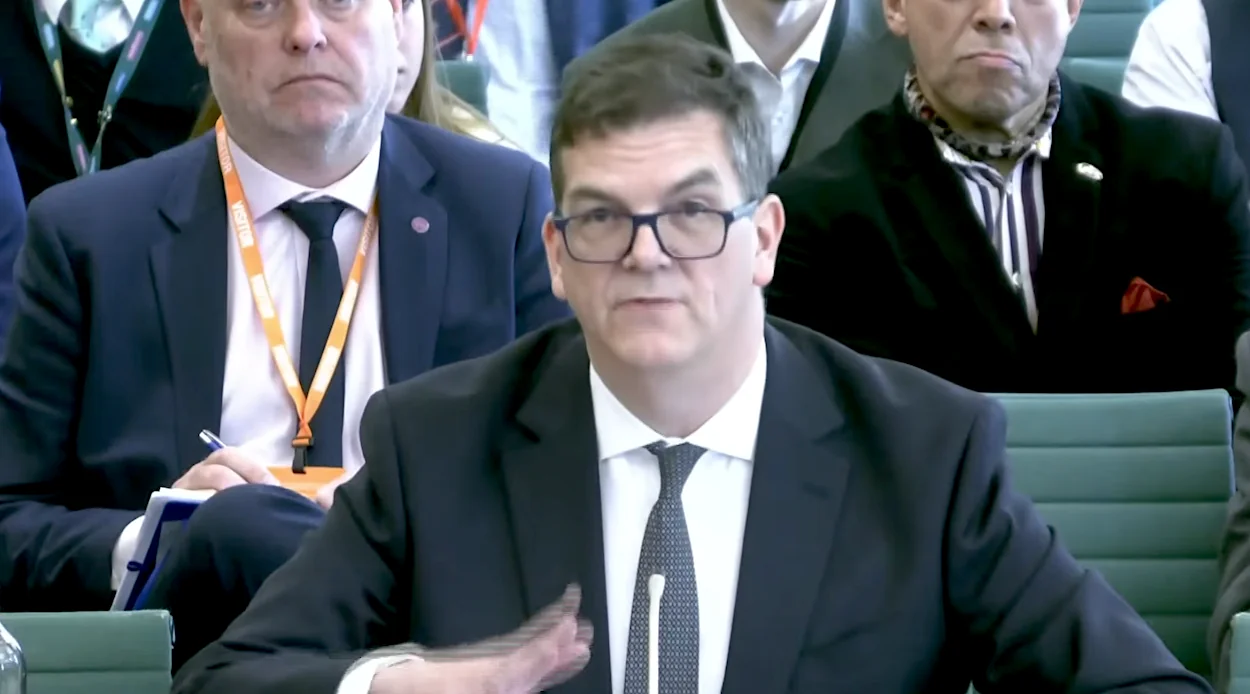 An unflashy Olly Robbins mauls Keir Starmer
From a constitutional standpoint, this represents a high-stakes gamble. The civil service is predicated on the "impartiality code," which requires officials to provide objective advice and follow statutory processes regardless of political urgency. By alleging that Downing Street sought to treat vetting as a mere formality, Robbins is signaling a breakdown in the "neutrality pact" that allows the civil service to function as a check on executive overreach.
The wider civil war with the civil service suggests that the Starmer administration views these procedural hurdles as "obstructionism" by a bureaucracy it labels "the blob," rather than as necessary safeguards for national security.
The "Red Light" dispute and the error of judgment
Prime Minister Keir Starmer has maintained a different narrative, telling Parliament that Robbins was sacked because he made an "error of judgement." Downing Street’s position is that the vetting form for Lord Mandelson contained two "red lights"—indicators that should have triggered an automatic disqualification—which Robbins allegedly ignored or mishandled.
However, Robbins testified that he had never seen a "red light" system on any vetting form, including his own. This discrepancy suggests a massive interface failure between the Cabinet Office, which oversees vetting policy, and the Foreign Office, which implements it for diplomatic roles. If the "red light" system was an internal Number 10 metric rather than a standard vetting agency output, the Prime Minister’s justification for the sacking rests on a political interpretation of a technical process.
This technical disagreement has practical consequences for strains on the UK-US alliance, as the US State Department relies on the integrity of British vetting when sharing intelligence with the UK’s ambassador in Washington. Any perception that the vetting process was politically manipulated could degrade the trust required for high-level intelligence sharing.
Institutional fallout and the "Revenge of the Blob"
The Robbins dismissal is not an isolated incident but part of a pattern of executive friction that complicates Starmer’s diplomatic priorities. By publicly trashing the reputation of a senior civil servant with a long career under multiple administrations, the government risks a "brain drain" and a defensive posture from remaining officials.
Robbins’ testimony indicated that he had also blocked the nomination of Matthew Doyle, Starmer’s former head of communications, for a diplomatic role. This suggests that the "civil war" is partly driven by a Downing Street effort to "politicize" the diplomatic corps—a move that senior permanent secretaries have traditionally resisted.
The unresolved question is whether a government can effectively deliver its mandate when it is at odds with the very machinery required to implement it. If the relationship between the Prime Minister and the civil service remains adversarial, the risk of administrative paralysis increases. For now, the "reckoning" promised by Robbins and his legal team suggests that the fallout from the Mandelson appointment is far from over.
Comments (0)
Please login to comment
Sign in to share your thoughts and connect with the community
Loading...