
Trump and Starmer Call for Reopening of Strait of Hormuz

Diplomatic Alignment on Global Energy Arteries
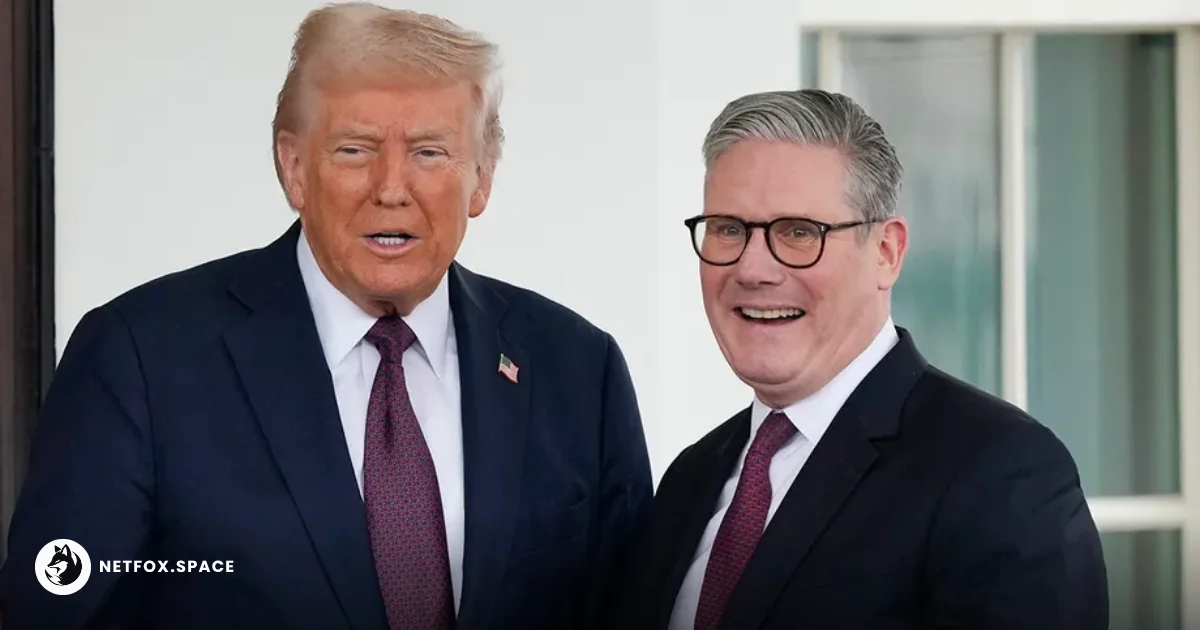
President Donald Trump and British Prime Minister Keir Starmer have reached a rare strategic consensus, asserting that the Strait of Hormuz must be immediately reopened to international shipping. The agreement follows a period of intensifying hostilities in the Middle East that has effectively throttled one of the world's most critical maritime chokepoints.
The leaders emphasized that the continued blockage threatens not only regional stability but the foundational mechanics of global trade. This joint stance marks a significant hardening of the Anglo-American position against disruptive actors in the Persian Gulf.
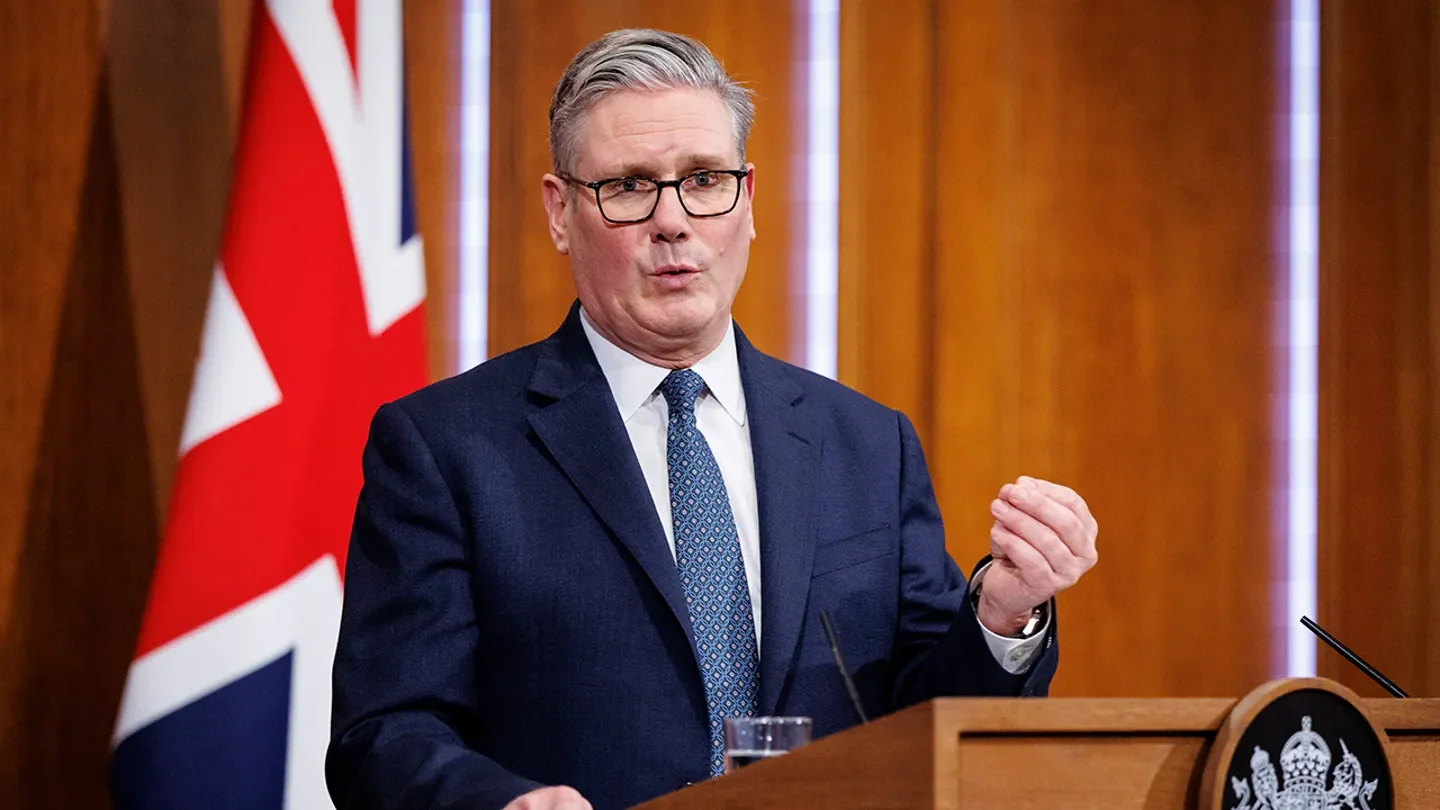 Keir Stamer, UK prime minister, during a news conference providing an update on the situation in the Middle East, at Downing Street in London, UK, on Thursday, March 5, 2026. (Tolga Akmen/EPA/Bloomberg via Getty Images)
Immediate Volatility in Global Oil Benchmarks
The closure has sent shockwaves through the energy sector, specifically impacting Brent Crude and West Texas Intermediate (WTI) futures. With approximately 20% of the world's total oil consumption passing through this narrow waterway, the standoff has forced tankers into lengthy, expensive diversions around the Cape of Good Hope.
Insurance premiums for maritime vessels in the region have surged, creating a "war risk" surcharge that is already being passed down to consumers. Security analysts note that the logistics of a forced reopening would require a massive deployment of the U.S. Fifth Fleet and Royal Navy assets.
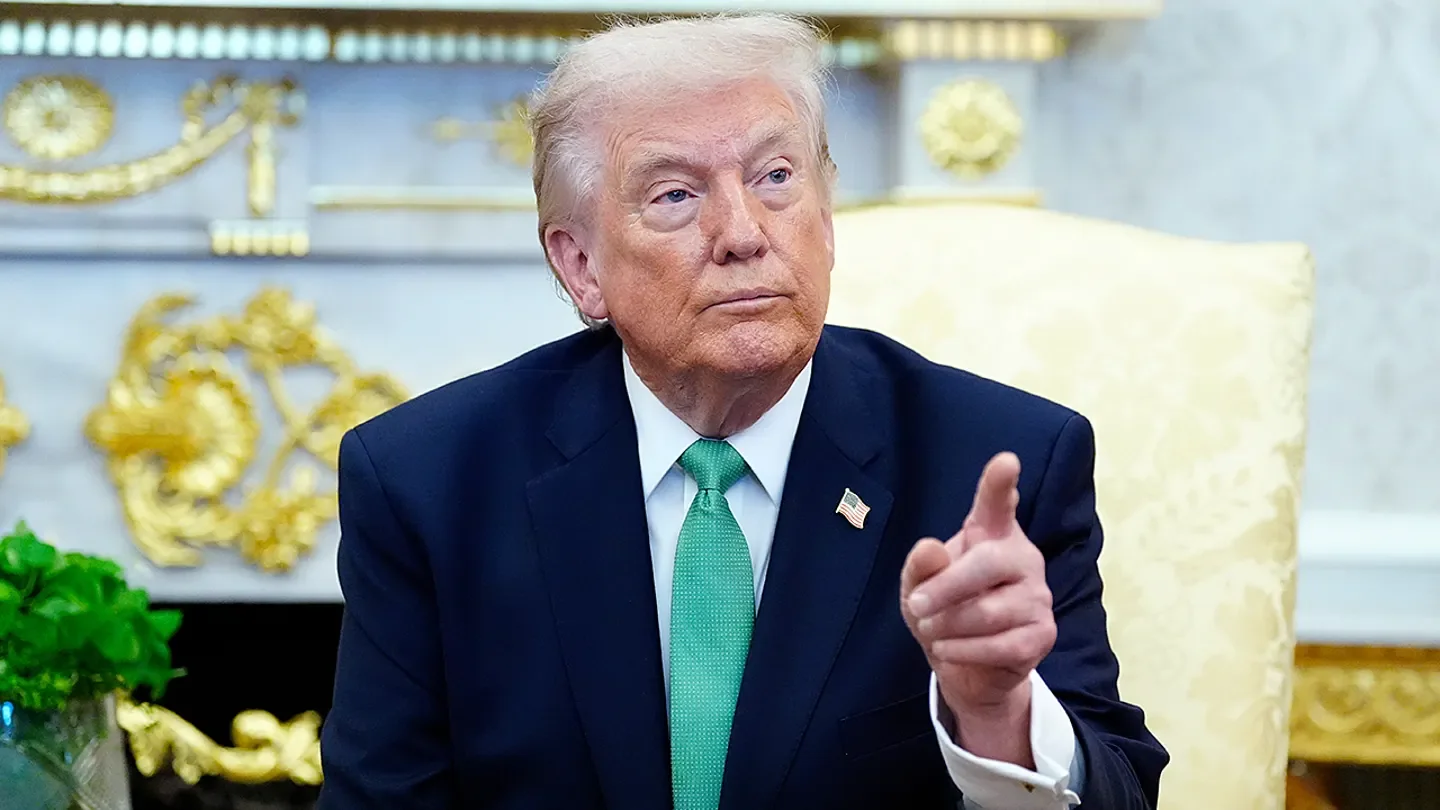 President Donald Trump takes questions from reporters during a meeting with Irish Prime Minister Micheál Martin in the Oval Office of the White House, on St. Patrick's Day, Tuesday, March 17, 2026, in Washington. (AP Photo/Alex Brandon)
The "Chokepoint Calculus" and Tactical Denial
While mainstream reporting focuses on the diplomatic rhetoric, the underlying technical reality involves a sophisticated "denial of access" strategy. Unlike previous skirmishes, the current disruption utilizes a mix of sub-surface drones and shore-based anti-ship missiles, making standard escort missions high-risk operations.
Competitors often overlook the "silent" impact on Liquefied Natural Gas (LNG). Qatar, a primary supplier to the United Kingdom and Europe, relies almost exclusively on this corridor; a prolonged closure effectively decouples the European heating market from its primary winter fuel source, creating a structural energy deficit that cannot be solved by US domestic production alone.
Structural Shifts in Maritime Security Doctrine
The agreement between Trump and Starmer signals a pivot toward a more interventionist maritime doctrine. This goes beyond traditional freedom of navigation operations (FONOPs) and suggests a move toward a permanent "International Maritime Security Construct" with broader rules of engagement.
This shift places immense pressure on the International Maritime Organization (IMO) to redefine safety protocols in contested waters. For the global shipping industry, this represents a transition from a commercial-led era of globalization to one where trade routes are explicitly guaranteed by military power.
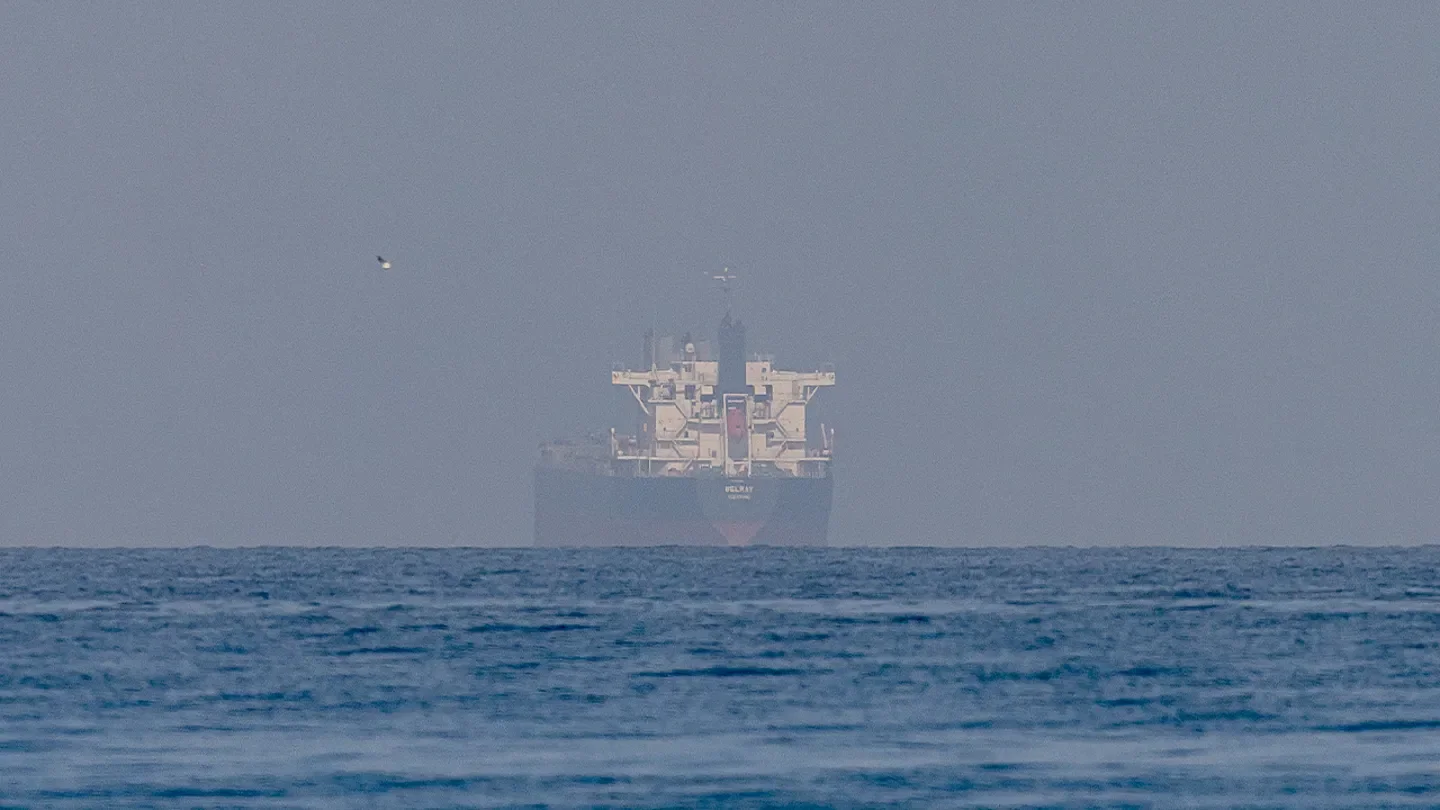 Bulk Carrier, Belray, in the Gulf, near the Strait of Hormuz on March 22, 2026 in northern Ras al Khaimah, United Arab Emirates. (Getty Images/Getty Images)
Strategic Escalation and Economic Exposure
| Risk Category | Impact Detail | Primary Entity Exposed |
|---|---|---|
| Supply Chain | 2-3 week delay for Asian-European cargo | Maersk, MSC |
| Energy Price | 10-\15 per barrel "conflict premium" | Global Consumer Markets |
| Insurance | 100% increase in hull & machinery premiums | Lloyd's of London |
| Geopolitics | Direct confrontation with Iranian naval assets | IRGC Navy |
Escalation Towards Kinetic Intervention
The insistence on "reopening" the Strait suggests that diplomatic patience has reached its limit, moving the situation toward a kinetic threshold. If naval assets are deployed to clear the waterway, the risk of a direct military encounter between Western powers and regional actors becomes a mathematical probability rather than a theoretical concern. This confrontation now threatens to dismantle the fragile equilibrium of global energy pricing, potentially triggering a synchronized inflationary spike across Western economies.
Comments (0)
Please login to comment
Sign in to share your thoughts and connect with the community
Loading...