

The Mamdani Proposal and the Push for $30
New York State Assemblyman Zohran Mamdani, a Democratic Socialist representing Queens and a 2025 mayoral candidate, has formally proposed raising the New York City minimum wage to 16 per hour, this 87.5% increase aims to address the city’s soaring cost of living and stagnant wage growth for the working class. The legislation seeks to decouple the city's wage floor from state-wide adjustments, asserting that the urban economy requires a unique standard to prevent mass displacement of low-income residents.
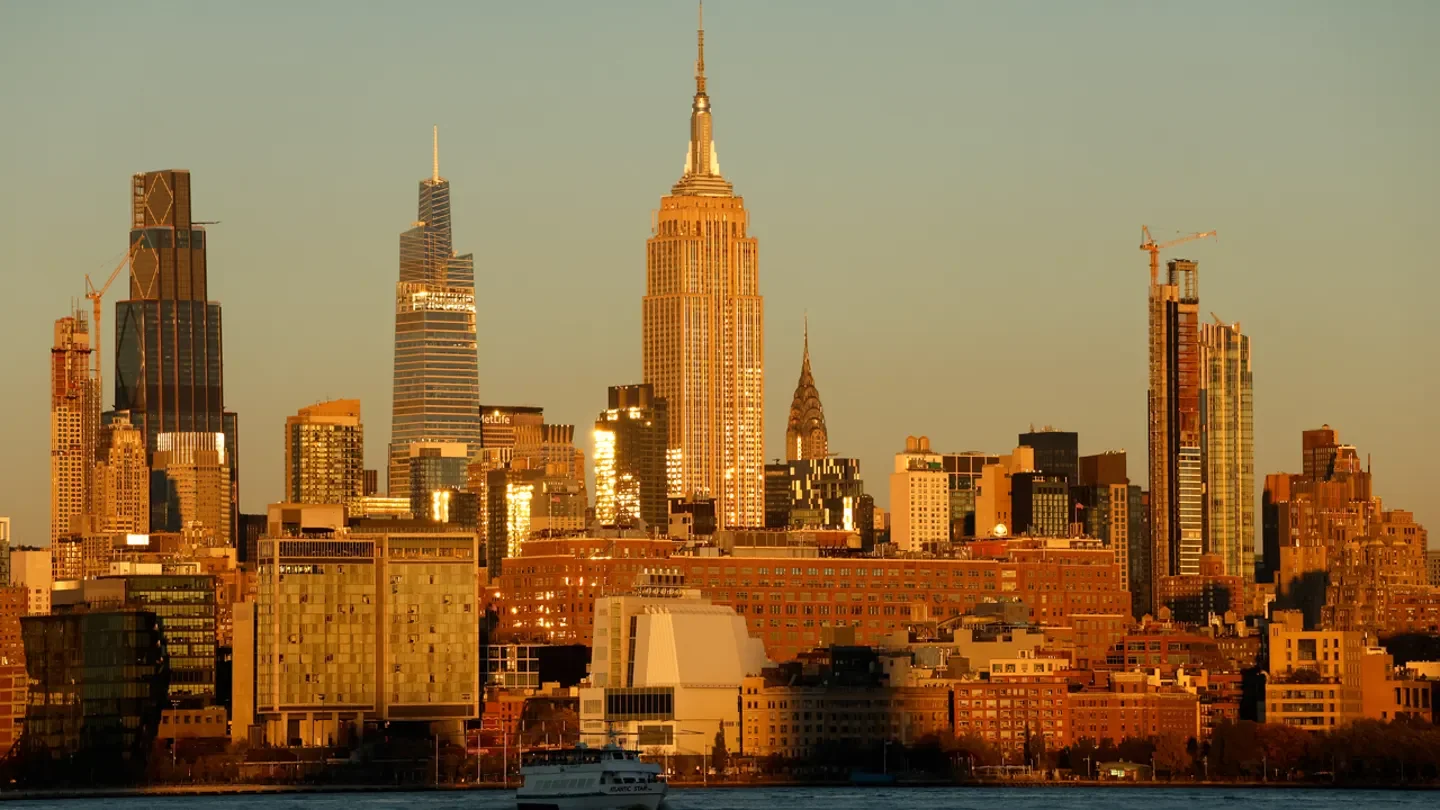 The sun sets on the skyline of midtown Manhattan and the Empire State Building in New York City. (Gary Hershorn/Getty Images)
Immediate Volatility in High-Volume Service Sectors
Economic analysts and industry groups warn that an overnight or accelerated shift to $30 would create immediate shockwaves in the hospitality and retail sectors. These industries typically operate on thin profit margins ranging from 3% to 5%. Experts suggest that such a drastic overhead increase would necessitate immediate price hikes, potentially alienating the very consumer base the bill intends to support. The New York State Restaurant Association has expressed concern that the mandate could lead to widespread "service fees" or the complete elimination of tipped credit structures to offset the payroll surge.
The "Automation Acceleration" and Structural Labor Shifts
While proponents focus on purchasing power, the primary hidden implication of a 30 wage mandate serves as a massive financial incentive for businesses to invest in AI-driven automation and self-service kiosks. This shift would likely move the NYC labor market away from "bridge jobs" roles that provide initial experience for immigrants and youth toward a bifurcated economy where only high-skill or fully automated roles remain viable.
Systemic Pressure on the Municipal Budget
Beyond the private sector, the 18 and $25 would require immediate upward adjustments. This creates a "wage compression" effect, where supervisors demand raises to maintain parity with entry-level staff. For the non-profit sector, which relies on fixed-rate government contracts, this represents an unfunded mandate that could lead to a total cessation of social services for the city's most vulnerable.
Comparative Wage Floor Projections
| Metric | Current NYC Standard | Mamdani Proposal | % Change |
|---|---|---|---|
| Hourly Wage | $16.00 | $30.00 | +87.5% |
| Annual Salary (FT) | $33,280 | $62,400 | +87.5% |
| Estimated Business Survival Threshold | Moderate | Critical/Low | N/A |
| Primary Risk Factor | Inflationary Pressure | Industry Obliteration | Structural |
The Convergence of Political Strategy and Economic Reality
The progression of this proposal will serve as a litmus test for the 2025 New York City mayoral race and the broader influence of the Democratic Socialists of America (DSA). If the legislation gains traction in Albany, it will force a confrontation between progressive labor ideology and the fiscal pragmatism of the city’s business elite. The outcome hinges on whether the state legislature views the 20 or $25 compromise.
Comments (0)
Please login to comment
Sign in to share your thoughts and connect with the community
Loading...