
Schumer ACA Credit Push Faces Fraud Scrutiny Amid Pentagon Row

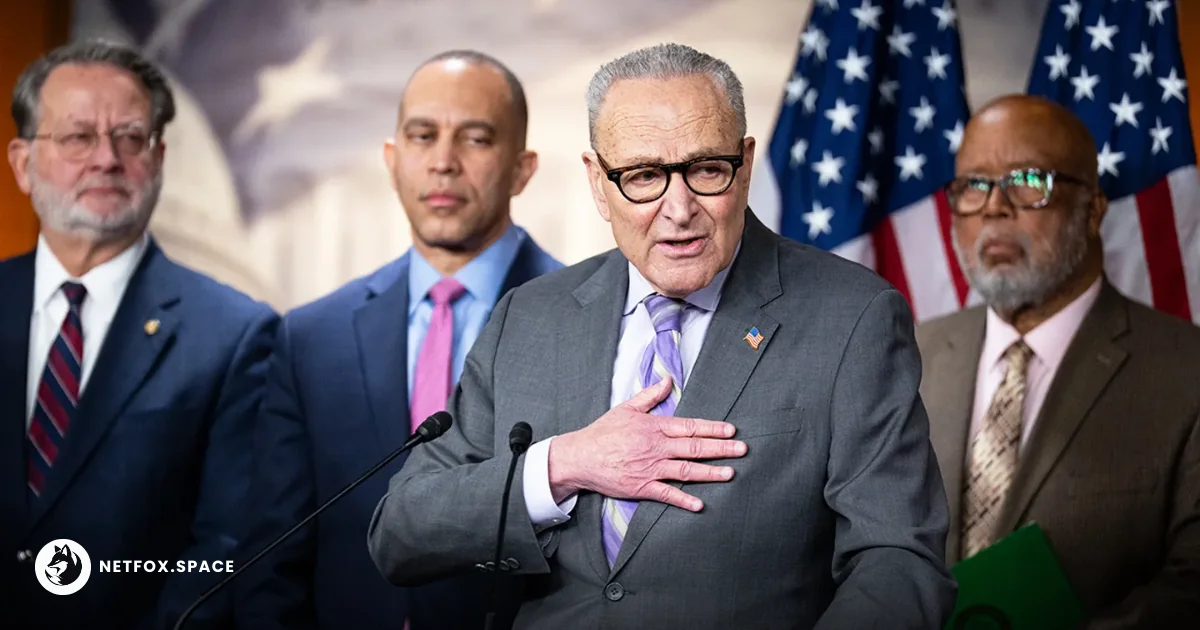
ACA Premium Credit Expansion Hits Integrity Bottleneck
Senate Majority Leader Chuck Schumer is facing a dual-front legislative challenge as he attempts to revive the Affordable Care Act (ACA) enhanced premium tax credits that expired at the start of 2026. While the Democratic Party frames the extension as essential to preventing a 114% spike in average premiums for 20 million Americans, a recent preliminary report from the Government Accountability Office (GAO) has cast a shadow over the program’s structural integrity.
The investigation revealed that the Centers for Medicare & Medicaid Services (CMS) approved 100% of fake applications submitted by undercover investigators in late 2024. As of mid-2025, 90% of those fictitious identities were still receiving taxpayer-funded subsidies. This systemic failure has provided significant political ammunition to opponents who argue that the "temporary" COVID-era credits have fostered a multi-billion dollar fraud environment.
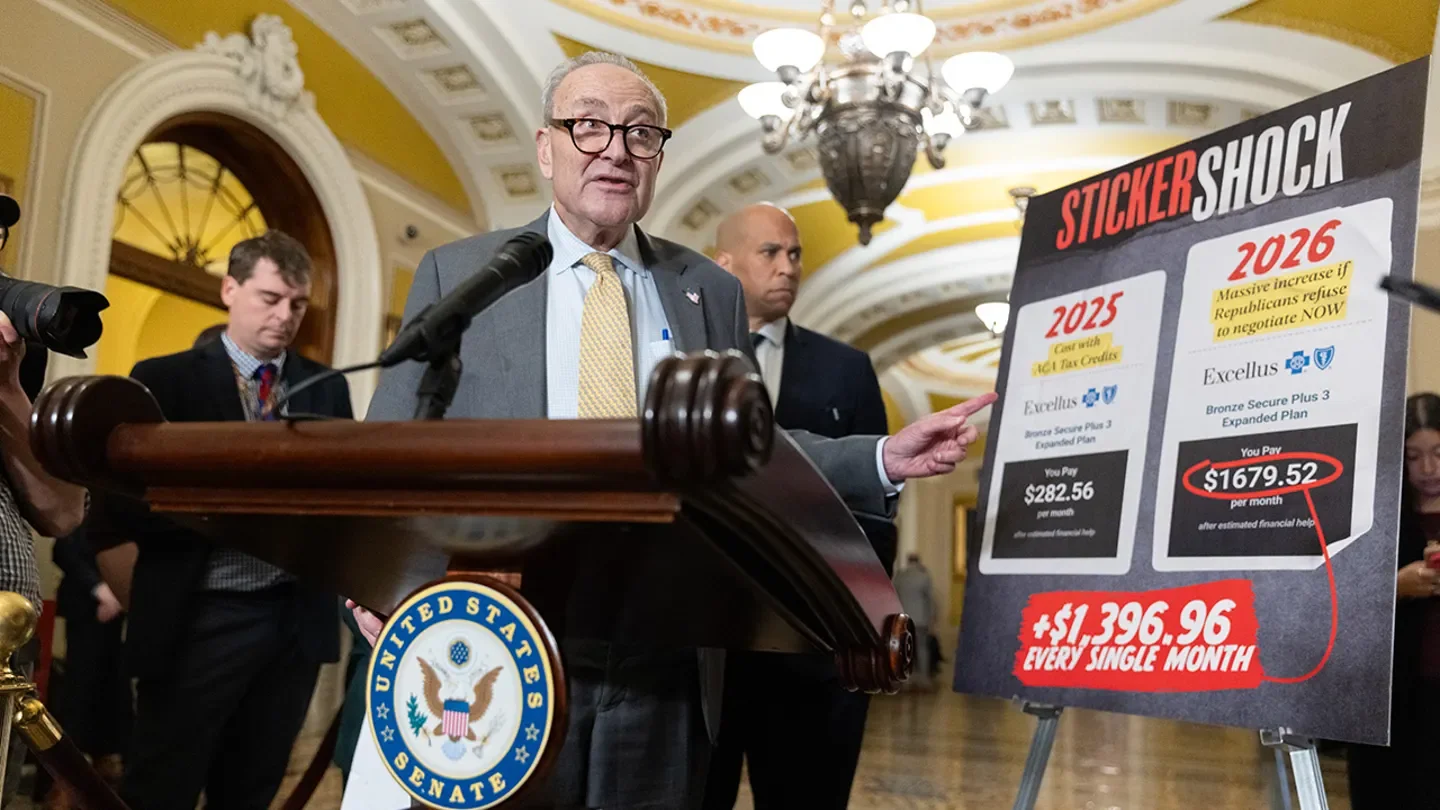 Senate Minority Leader Chuck Schumer speaks at a press conference with other members of Senate Democratic leadership following a policy luncheon at the U.S. Capitol in Washington, Oct. 15, 2025. (Nathan Posner/Anadolu via Getty Images)
The $93 Billion Monthly Spend: A New Political Lever
The debate reached a fever pitch this month following Chuck Schumer’s sharp criticism of Secretary of War Pete Hegseth. Schumer highlighted reports that the Department of War (formerly Department of Defense) spent a record-breaking $93.4 billion in September 2025 alone. Schumer labeled the spending which included millions on luxury food items like Alaskan king crab and ribeye steaks as "grifting," noting that the monthly total roughly equals the cost of a three-year extension for the ACA credits.
However, the comparison has invited intense scrutiny of the Biden administration’s own spending records. Critics pointed out that under former Secretary Lloyd Austin, the Pentagon’s end-of-year spending spree in September 2024 hit $79.1 billion, featuring similar "luxury" expenditures. This historical parity has diluted Schumer’s "butter vs. guns" narrative, shifting the focus back to the fiscal leakages within the healthcare exchanges themselves.
Hidden Implications: The IRS Reconciliation Gap
What is often overlooked in the headlines is the scale of the "unreconciled" subsidy crisis. According to the GAO, nearly one-third of all Advance Premium Tax Credits (APTC) paid in 2023 totaling approximately $21 billion have not been reconciled with Internal Revenue Service (IRS) tax records.
| Metric | Findings (GAO-26-108742) |
|---|---|
| Identity Fraud | 66,000 SSNs enrolled in multiple plans in 2024 |
| Deceased Enrollees | $94 million paid to plans for 58,000 dead individuals |
| Unreconciled Credits | 31% of total APTC payments lack IRS tax data |
| Unauthorized Switches | 275,000 consumer complaints in 8 months (2024) |
The lack of reconciliation means that enrollees may be receiving higher subsidies than their actual income justifies without any clawback mechanism being triggered. This "verification lag" has become a structural vulnerability that the Treasury Department and CMS have struggled to close, even as the legislative push for permanent extensions continues.
 War Secretary Pete Hegseth. (Omar Havana/Getty Images)
Sector-Wide Impact on Private Insurance Markets
The uncertainty surrounding the subsidies is creating a volatile environment for the health insurance sector. Major carriers, including UnitedHealth Group and Centene Corporation, are recalibrating their 2027 plan designs as they anticipate a "death spiral" scenario. If the enhanced credits are not reinstated, analysts at the Kaiser Family Foundation (KFF) project that younger, healthier enrollees will drop coverage, leaving a sicker, more expensive pool of enrollees.
This shift would likely force insurers to raise premiums even further to maintain margins, potentially necessitating another round of federal bailouts or a complete restructuring of the Health Insurance Marketplace. The biotech sector and pharmaceutical giants are also monitoring the situation closely, as a reduction in insured lives directly impacts the volume of high-cost prescriptions and chronic care management.
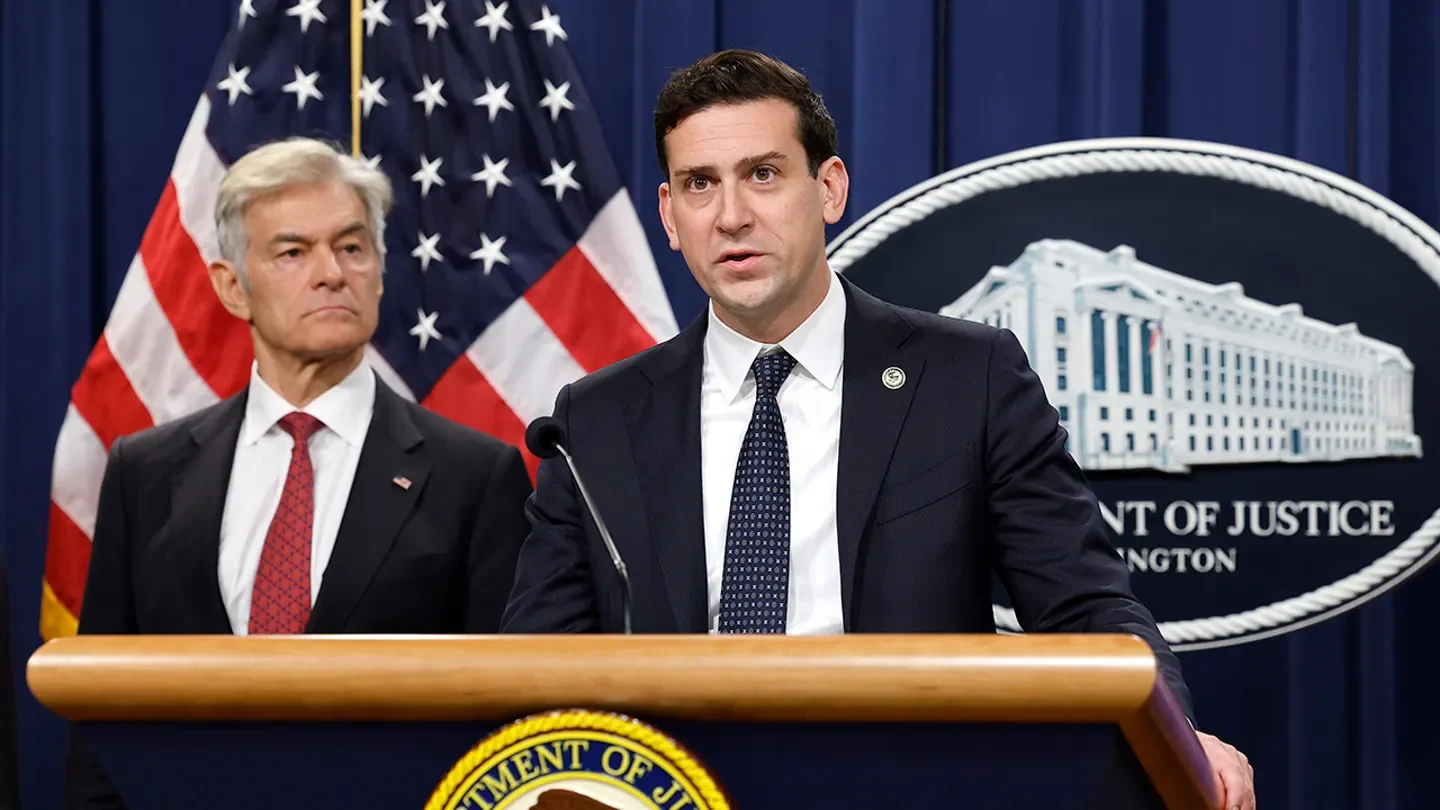 Matthew Galeotti, former head of the Justice Department’s Criminal Division, joined by Administrator for the Centers for Medicare and Medicaid Services Mehmet Oz, delivers remarks during a press conference announcing the largest healthcare fraud case in history, at the DOJ on June 30, 2025, in Washington, D.C. (Kevin Dietsch/Getty Images)
The Legislative Cliff and Regulatory Uncertainty
As of March 2026, the path forward for the Lower Health Care Costs Act remains blocked in the Senate, where it lacks the 60 votes required to bypass a filibuster. While a bipartisan group is reportedly working on the Consumer Affordability and Responsibility Enhancement (CARE) Act, any compromise is expected to include stringent new "program integrity" mandates.
These would likely include mandatory monthly income verification and a requirement for CMS to terminate coverage immediately if an identity cannot be verified through the Social Security Administration. The tension between maintaining high enrollment numbers and enforcing fiscal discipline remains the primary barrier to a permanent solution, leaving millions of American households in a state of financial limbo as the next open enrollment period approaches.
Comments (0)
Please login to comment
Sign in to share your thoughts and connect with the community
Loading...