

The Stand-Off at the Chokepoint: Why the U.S. Navy is Flying Solo
As of March 17, 2026, the Strait of Hormuz remains a functional dead zone for nearly 20% of global oil and liquefied natural gas (LNG) traffic. Following a two-week escalation in the US-Israel war on Iran, President Donald Trump has publicly rebuked long-standing partners for their reluctance to deploy warships to the region. Despite the sinking of the Iranian frigate IRIS Dena and the claimed destruction of Tehran’s conventional fleet, the waterway is effectively choked by the threat of "swarm" drone attacks and submerged mines.
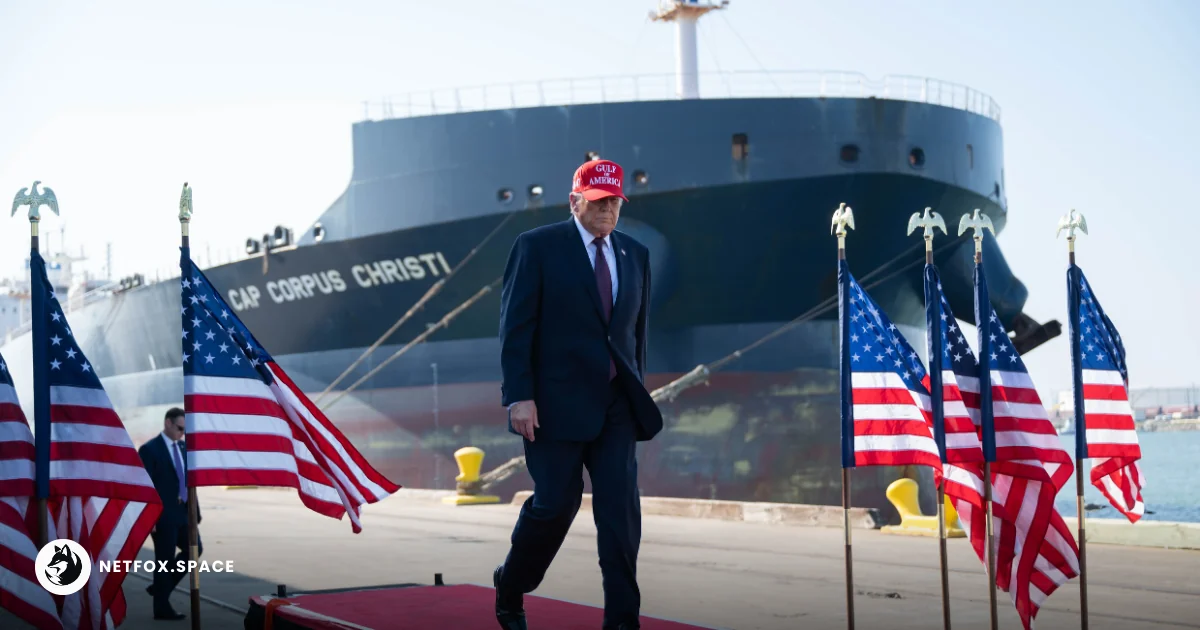
The United States Navy has maintained a heavy presence, yet the administration’s request for a multinational escort mission has been met with a "cold shoulder" from the United Kingdom, Japan, Germany, and Australia. While the White House argues that the beneficiaries of the oil flow should bear the cost of its protection, allies are signaling a refusal to be drawn into an offensive campaign they did not authorize.
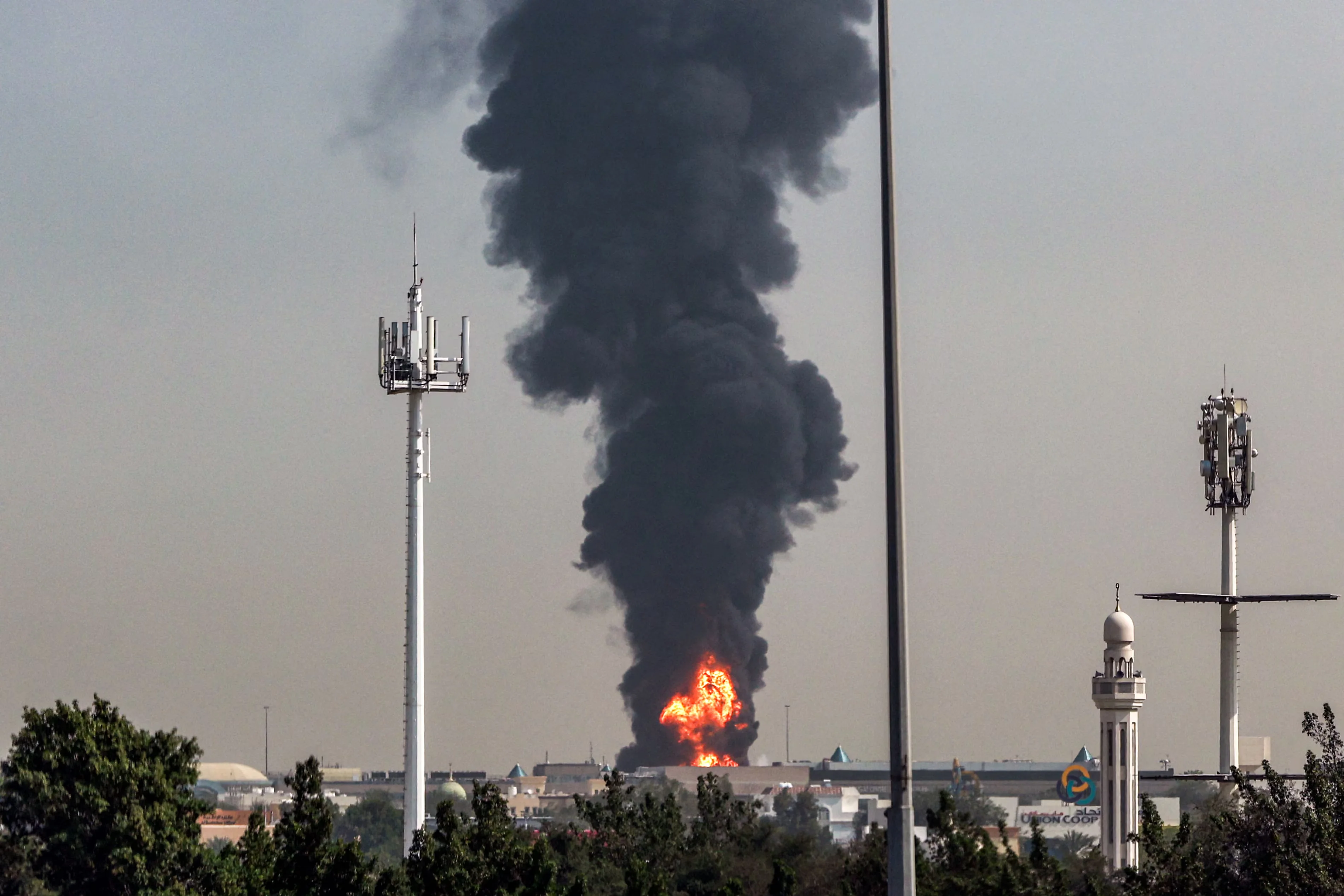 Fire and smoke rise from Dubai’s international airport on Monday after a ‘drone-related incident’. Flights were disrupted. Photograph: AFP/Getty Images
"This Is Not Our War": The European Refusal and Legal Redlines
The resistance from European capitals is anchored in a mix of legal constraints and strategic distrust. German Chancellor Friedrich Merz stated firmly that Berlin lacks a mandate from the United Nations or NATO to intervene, characterizing the conflict as a bilateral war rather than a collective defense scenario. German Defence Minister Boris Pistorius went further, questioning the utility of "a handful of European frigates" in a theater where the U.S. supercarrier strike groups are already engaged.
In Brussels, EU Foreign Policy Chief Kaja Kallas confirmed that there is "no appetite" to expand Operation Aspides—the EU's defensive naval mission in the Red Sea—to the Persian Gulf. This sentiment is echoed by UK Prime Minister Keir Starmer, who, despite drafting a "viable plan" for maritime security, has ruled out any NATO involvement. The overarching message from the continent is clear: Europe will not provide the military "after-sales service" for a regional war initiated by Washington and Jerusalem.
 The "America First" principle is a nationalist foreign policy and economic framework prioritizing American interests, security, and prosperity above global concerns. It emphasizes sovereignty, bilateral deals over multilateral treaties, strong borders, reduced foreign entanglements, and protectionist trade measures aimed at reviving domestic manufacturing.
The "Enthusiasm Test": Strategic Burden-Shifting in the 2026 NDS
The primary differentiation in this crisis is not the lack of naval assets, but the fundamental shift in U.S. defense doctrine. Under the 2026 National Defense Strategy (NDS), the Trump administration has moved from "integrated deterrence" to "conditional partnership." This doctrine treats alliance support as a transactional metric—what the President has termed a "test of enthusiasm."
Unlike the 2019 "Sentinel" mission, the current demand is a forced application of the America First principle: the U.S. provides the high-end "enablers" (satellites, cyber, and nuclear deterrence), while the allies must provide the "front-line" hardware (frigates and minesweepers). By refusing, allies are not just avoiding a tactical risk; they are rejecting the new U.S. hierarchy of priorities that ranks the protection of the Strait of Hormuz lower than domestic hemispheric security.
| Country | Stated Reason for Non-Participation | Current Naval Status |
|---|---|---|
| Germany | Lacks UN/NATO mandate; "Not our war." | Refusal to deploy. |
| United Kingdom | Requires a "viable plan" and collective agreement. | Monitoring; no carriers deployed. |
| Japan | Domestic political sensitivity; focusing on diplomacy. | No ships committed. |
| Portugal/Greece | Geographically restricted to Red Sea mandates. | Defensive only. |
The "Chinese Pass" and the Strategic Divergence in Energy
While Western tankers are stalled in the Gulf of Oman, a notable anomaly has emerged: Chinese-flagged vessels and Iran-linked traffic continue to transit the chokepoint. Beijing has leveraged its diplomatic neutrality to secure "safe passage" for its energy imports, a move that undermines the U.S. attempt to form a unified economic and military front. Some merchant vessels have even reportedly updated their AIS signals to claim "Chinese Ownership" or "All Chinese Crew" to bypass the blockade.
This divergence has created an economic fracture. While the U.S. Dollar and the Malaysian Ringgit show volatility based on energy supply fears, the semiconductor industry and biotech sector in Europe are bracing for a prolonged "cost-push" inflation cycle. The lack of a unified naval mission means that insurance premiums for non-Chinese vessels have skyrocketed, effectively turning the Strait of Hormuz into a tiered transit zone where political alignment determines commercial viability.
The standoff reflects a permanent structural consequence for the Atlantic Alliance. By framing the mission as a "test," the White House has inadvertently accelerated Europe’s pursuit of "strategic autonomy." If the Strait of Hormuz remains closed without a coalition response, the precedent is set: the U.S. will no longer automatically underwrite the security of global commons, leaving the world’s most vital energy arteries vulnerable to whichever regional power can project the cheapest, most asymmetric force.
References:
Comments (0)
Please login to comment
Sign in to share your thoughts and connect with the community
Loading...