

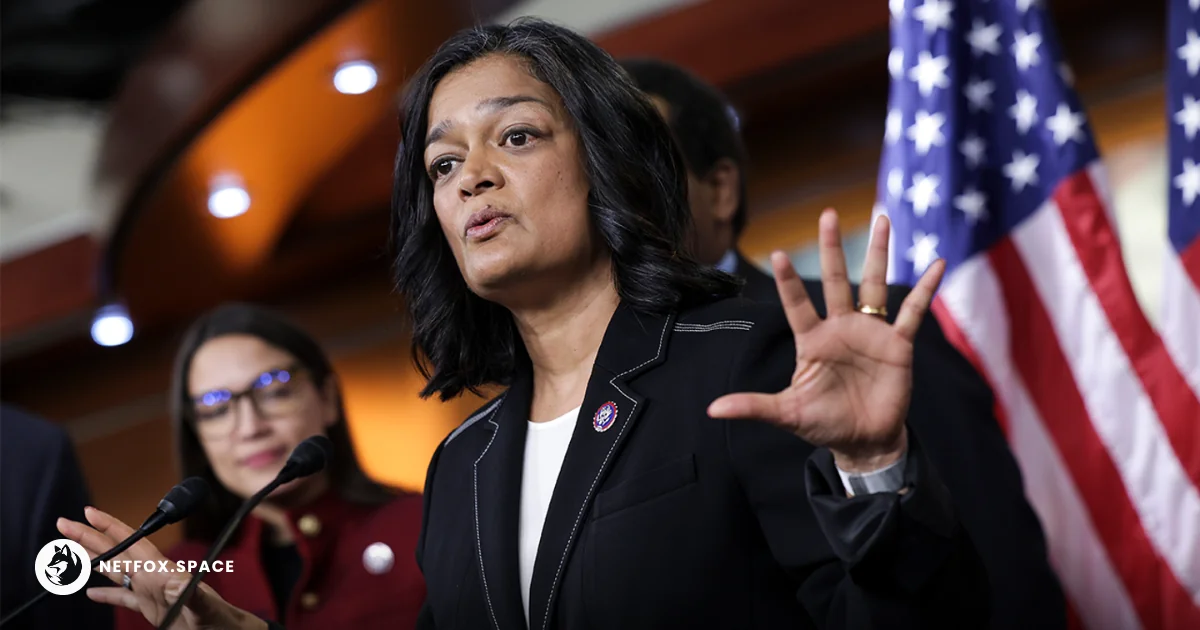
The Democratic Congressional Campaign Committee (DCCC) has significantly expanded its 2026 midterm strategy, but the move has re-opened a familiar rift within the party. By adding eight new candidates to its "Red to Blue" program on Monday, the committee has effectively signaled its preferred victors in key primary contests, leading progressive activists to accuse the establishment arm of once again "tipping the scales" before voters have a chance to decide.
Strategic recruitment vs. primary neutrality
The latest expansion of the Red to Blue program targets competitive Republican-held seats that the DCCC has deemed essential for winning back the House majority. While the committee frames these endorsements as a way to provide "compelling, authentic candidates" with the infrastructure needed to win in November, the timing of these moves often occurring months before primary ballots are cast remains a point of intense friction.
For practitioners in campaign finance, the "Red to Blue" designation is more than a symbolic nod; it is a gateway to the DCCC’s massive fundraising and data infrastructure. According to recent FEC filings, the DCCC entered the 2026 cycle with over $49 million in cash on hand. By directing these resources toward specific candidates in crowded fields, the committee creates a resource monopoly that often forces un-endorsed challengers, many from the party’s progressive wing, to suspend their campaigns due to a lack of viability.
 Rep. David Valadao, R-Calif., is seeking re-election in a Central Valley district rated as a "toss-up" by the nonpartisan Cook Political Report. (Juan Esparza Loera/The Fresno Bee/Tribune News Service)
Progressive pushback in the wake of Maine and Texas results
The current wave of fury is fueled by recent primary outcomes where establishment interference was either rebuked or seen as a tactical error. In Maine, the presumptive Senate nominee Graham Platner recently benefited from the withdrawal of Governor Janet Mills, a move that some senators called a necessary course correction after leadership initially attempted to recruit a more moderate alternative.
Similarly, in Texas’ 35th District, the limits of establishment backing were exposed when housing activist Maureen Galindo finished ahead of sheriff’s deputy Johnny Garcia in the first round of voting, despite Garcia’s higher-profile rollout. These instances serve as the foundation for the progressive argument: that the DCCC’s "electability" metrics are often disconnected from actual voter enthusiasm on the ground.
The operational cost of 'Districts in Play'
The DCCC’s 2026 map is notably more expansive than the 2024 cycle, identifying 35 "Districts in Play" held by Republicans. To support this offensive, the committee has launched "nominee funds" that allow donors to contribute to the eventual standard-bearer.
 Democratic Congressional Campaign Committee (DCCC) Chairwoman Suzan DelBene, D-Wash., has added eight new candidates to the DCCC's "Red to Blue" program this week — a sign that Democrats are growing more confident about retaking House control. (Paul Morigi/Getty Images)
However, the mechanism for how these funds are distributed can be opaque. When the committee backs a candidate early, those funds often begin flowing toward the preferred candidate's infrastructure well before the primary. This creates an operational disadvantage for grassroots candidates who must rely on small-dollar donations while the DCCC-backed candidate enjoys the institutional support of the party’s national arm.
Unresolved tension in the road to the majority
While DCCC Chair Suzan DelBene maintains that the committee is "decidedly on offense," the internal struggle suggests a lack of consensus on what kind of candidate is "offensive-ready." The committee continues to prioritize candidates with backgrounds in law enforcement, the military, or business archetypes they believe appeal to swing voters.
Progressives argue this strategy ignores the 14-point enthusiasm advantage Democrats currently hold over Republicans. They contend that by meddling in primaries to "protect" the map from more liberal candidates, the DCCC risks depressing the very grassroots energy it cites as proof of its impending success. Until the DCCC establishes a more transparent or hands-off approach to open-seat primaries, the friction between the party's strategic arm and its activist base is likely to remain a defining feature of the 2026 cycle.
Comments (0)
Please login to comment
Sign in to share your thoughts and connect with the community
Loading...