Netfox
HomeQ&AAnti-ScamNotifications
© 2026 Netfox. All rights reserved.
Terms of ServicePrivacy PolicyAbout UsEditorial Policy
Comment
Politics

How US Officials Manage Digital Security During China Visits

Seraphina Vance
Seraphina Vance
May 13, 20263 min
0
0
0
33
Learn about the cybersecurity measures and digital lockdown procedures implemented for US officials traveling to China for diplomatic missions.

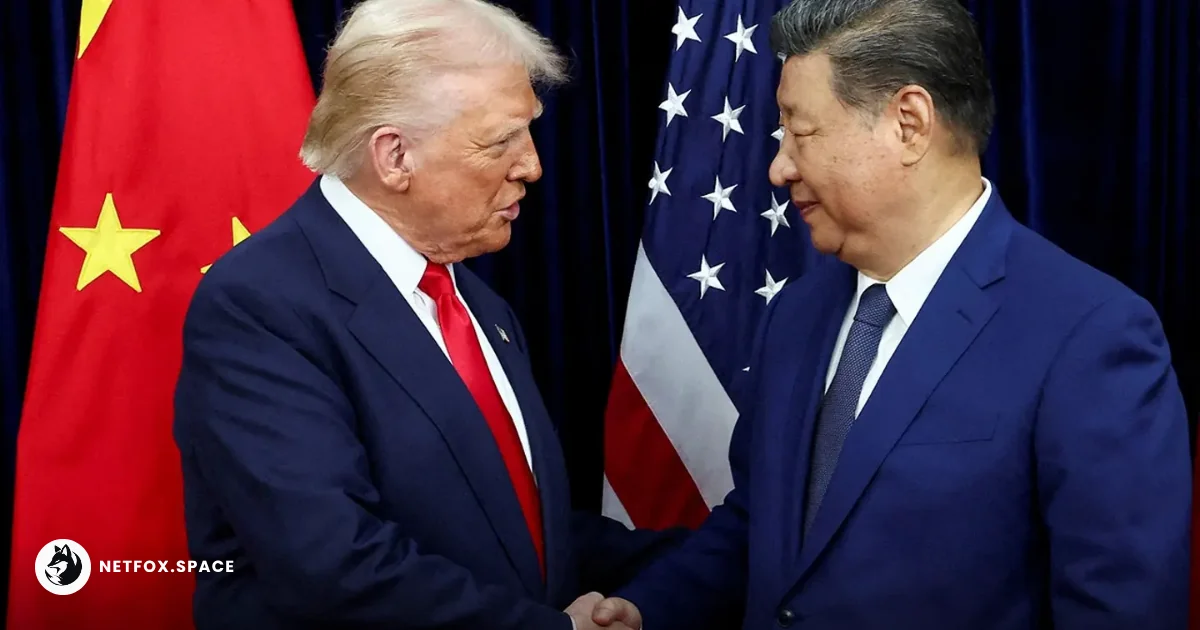
Diplomatic missions to high-threat environments require rigorous operational security to protect sensitive government data and communication channels. For US officials traveling to China, this involves a series of standardized "digital lockdown" procedures designed to minimize the footprint of personal and professional devices.

Device Sanitization and 'Burner' Protocols

The primary objective during high-level diplomatic travel is to isolate government networks from potentially compromised foreign infrastructure. Officials frequently adopt a strict "clean device" policy, leaving their standard-issue smartphones, laptops, and tablets at home.

Instead, personnel often utilize temporary or "burner" devices. These units are configured with minimal software to reduce the attack surface. They are typically wiped of all data immediately upon the conclusion of the trip to ensure that any potential surveillance or malware payload does not re-enter the secure US government environment. By using devices that hold no persistent connection to internal agency systems, officials create a technical barrier that limits the potential impact of local interception.

"China is a mass surveillance state," said Bill Gage, a former Secret Service special agent and now director of executive protection for Safehaven Security Group. "Briefings for U.S. officials begin well before the president arrives, and they make clear that everything is monitored." (iStock)"China is a mass surveillance state," said Bill Gage, a former Secret Service special agent and now director of executive protection for Safehaven Security Group. "Briefings for U.S. officials begin well before the president arrives, and they make clear that everything is monitored." (iStock)

Network Isolation and Communications Security

Beyond hardware, the environment in which communication occurs is strictly managed. Accessing public or hotel Wi-Fi is generally prohibited for government-managed devices, as these networks are susceptible to traffic analysis and man-in-the-middle attacks.

To maintain operational continuity, teams often rely on dedicated, secure satellite links or pre-vetted, encrypted VPN tunnels that bypass local infrastructure entirely. This "air-gapping" approach ensures that even if local network traffic is monitored, the underlying data remains encrypted and inaccessible. While these protocols provide a robust baseline for data integrity, the constant evolution of signal intelligence capabilities means that security teams must continuously audit and update their procedures before each diplomatic arrival.

Officials entering China often travel with stripped-down "clean" devices, temporary laptops and tightly controlled communications systems designed to minimize the risk of surveillance, hacking or data collection in what U.S. officials consider one of the world’s most aggressive cyber environments. (iStock)Officials entering China often travel with stripped-down "clean" devices, temporary laptops and tightly controlled communications systems designed to minimize the risk of surveillance, hacking or data collection in what U.S. officials consider one of the world’s most aggressive cyber environments. (iStock)

Limiting the Surveillance Surface

The "digital lockdown" is not limited to hardware and networking; it also encompasses strict behavioral protocols. Officials are trained to assume that any electronic signature ranging from Bluetooth signals and NFC tags to hidden microphones could be monitored or logged.

Managing these risks requires a proactive approach to operational security (OPSEC). This includes disabling location services, turning off wireless radios when not in use, and restricting the storage of sensitive documents on mobile hardware. While agencies do not disclose the granular details of their defense-in-depth strategies, the objective is consistent: ensuring that the diplomatic mission focuses on policy goals rather than managing the fallout from a compromised communication device. These measures, while disruptive to daily workflows, remain the industry standard for protecting personnel in environments where the digital threat landscape is actively monitored by state actors.

Comments (0)

Sort by

Please login to comment

Sign in to share your thoughts and connect with the community

Loading...

Related news

Governor Ron DeSantis signed Senate Bill 1264, requiring Florida schools to teach the history of communism starting in the 2026-2027 school year.

DeSantis Signs Florida Law Mandating Communism Education

61 views•3 min
Federal prosecutors indicted Manuel G. Garcia for allegedly posting graphic death threats targeting South Dakota Gov. Kristi Noem and former AG Pam Bondi.

Man Indicted for Death Threats Against Noem and Bondi

66 views•2 min
Rep. Eugene Vindman faced sharp criticism during a VA-07 debate over his whistleblower past and ties to figures under FBI investigation.

Eugene Vindman Debate: Scrutiny Over Past Scandals

52 views•4 min
FBI Director Kash Patel alleges a four-day delay in federal involvement in the Nancy Guthrie case. Sheriff Chris Nanos refutes claims of sidelined cooperation.

Kash Patel and Sheriff Nanos Clash Over Nancy Guthrie Case

69 views•4 min
The DCCC’s decision to back preferred candidates in competitive 2026 House primaries has drawn sharp criticism from progressives, citing "scale-tipping" tactics.

DCCC Primary Intervention Sparks Progressive Backlash

163 views•4 min
The U.S. Senate approved an immediate rules change prohibiting senators and staff from using prediction markets like Kalshi and Polymarket to bet on events.

Senate Bans Lawmakers From Prediction Market Betting

66 views•3 min
Following Governor Janet Mills' withdrawal, Senate Republicans have pivoted to a high-spend campaign branding populist Graham Platner as "extreme" to protect Susan Collins.

GOP Targets Graham Platner in Maine 2026 Senate Race Shift

61 views•3 min
Florida lawmakers passed Governor Ron DeSantis' congressional map in a special session, potentially shifting the House split to 24-4 in favor of Republicans.

DeSantis redistricting map clears Florida House and Senate

71 views•5 min
Following the collapse of nuclear talks, Tehran is deepening military ties with Moscow while threatening to restrict oil flow through the Strait of Hormuz.

Iran Aligns with Putin Amid Hormuz Standoff

69 views•4 min
President Donald Trump criticized Scott Pelley for reading excerpts of Cole Allen’s alleged manifesto during a 60 Minutes interview following the WHCD shooting.

Trump Criticizes 60 Minutes Over WHCD Suspect Manifesto

75 views•3 min
The Department of Justice has filed a Statement of Interest supporting xAI’s lawsuit against Colorado’s AI discrimination law, citing First Amendment concerns.

DOJ joins Musk xAI Lawsuit Against Colorado AI Bias Law

99 views•4 min
RCMP, CSIS, and CBSA employees are largely ineligible for the 2026 early retirement incentive as agencies struggle with recruitment and operational demands.

Why Canada Security Agencies are Blocked from Early Retirement

75 views•4 min
President Trump announces a 21-day extension of the Israel-Lebanon ceasefire. The move aims to prevent regional escalation while long-term negotiations continue.

Trump Announces 3-Week Israel-Lebanon Ceasefire Extension

70 views•3 min
A leaked Pentagon memo proposes reviewing US support for the Falklands due to UK's Iran stance. No. 10 maintains sovereignty is non-negotiable.

UK Rejects Pentagon Memo Suggesting US Falklands Shift

104 views•4 min
Senator Lindsey Graham states that the current U.S. blockade on Iranian oil exports could soon expand into a global effort to dismantle Tehran's nuclear program.

Lindsey Graham Calls for Global Iran Oil Blockade

65 views•3 min
Sir Olly Robbins' testimony reveals a "dismissive" approach to vetting in No 10. We analyze the procedural breakdown and the fallout for the civil service.

Olly Robbins Vetting Testimony: Starmer Civil Service Rift

78 views•4 min
Republican Michele Tafoya claims Governor Tim Walz and AG Keith Ellison failed to act on early warnings of the Feeding Our Future fraud scheme in Minnesota.

Michele Tafoya Accuses Walz and Ellison of Ignoring Fraud

87 views•3 min
Final results from Hungary's 2026 election confirm Péter Magyar’s Tisza party has secured a dominant majority, ending Viktor Orbán’s 16-year grip on power.

Tisza Party Secures Robust Majority in Final Hungary Count

86 views•3 min
Former President Barack Obama released a video supporting a Virginia constitutional amendment to shift redistricting power from the legislature to a commission.

Obama Backs Virginia Redistricting Measure

78 views•2 min
President Trump has nominated Rear Admiral Erica Schwartz, a career public health official, to lead the CDC. The move signals a shift toward veteran leadership.

Trump Nominates Erica Schwartz to Lead CDC

81 views•3 min