
Trump Announces 3-Week Israel-Lebanon Ceasefire Extension

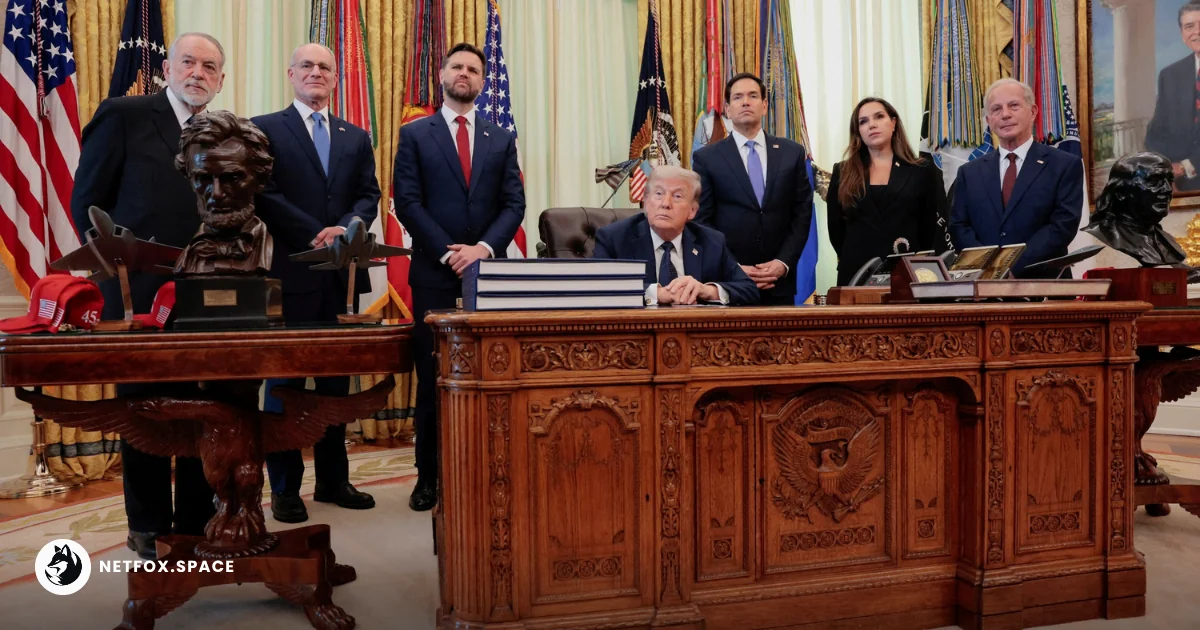
President Donald Trump announced on Thursday that Israel and Lebanon have agreed to extend their current ceasefire by an additional three weeks, providing a temporary window for ongoing diplomatic negotiations.
Diplomatic stay aims to prevent immediate regional escalation
The 21-day extension comes as the initial cessation of hostilities was set to expire, threatening a return to active combat between the Israel Defense Forces (IDF) and Hezbollah. By securing this additional time, the administration is attempting to formalize a more permanent security arrangement. The move is a clear signal that the White House is prioritizing the containment of the northern front to prevent the conflict from drawing in broader regional actors, including Iran.
While the extension provides immediate relief from large-scale airstrikes and rocket fire, it does not resolve the underlying territorial and security disputes. Historically, short-term extensions in this region often serve as tactical breathers for both sides to reorganize rather than as definitive steps toward peace. The success of this window depends heavily on the ability of the international monitoring committee to verify the absence of armed groups in the restricted southern zones.
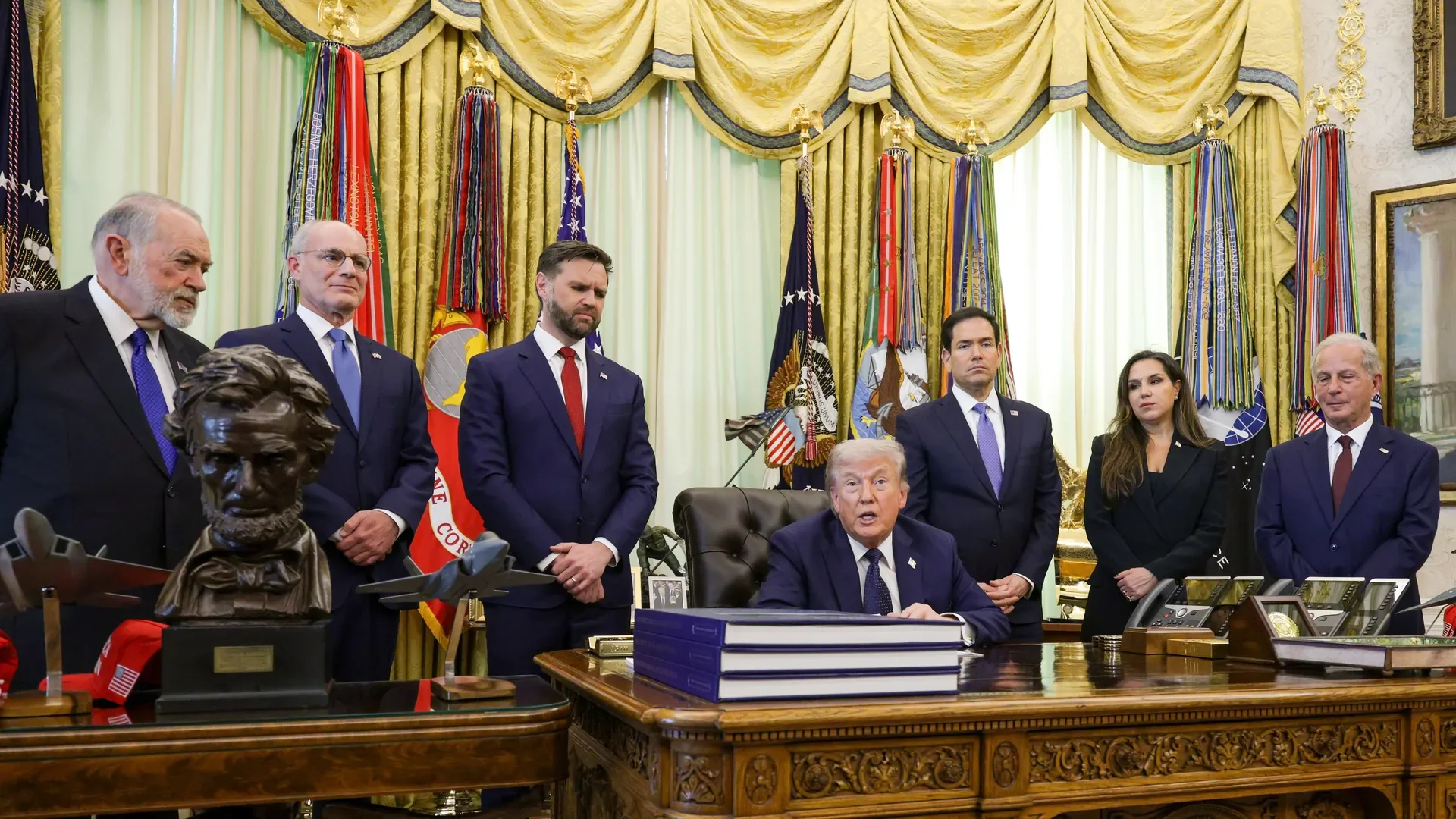 President Trump meets with U.S., Israeli and Lebanese officials in the Oval Office on April 23. Photo: Alex Wong/Getty Images
Persistent friction over buffer zone enforcement and infrastructure
A primary obstacle in the negotiations remains the status of Southern Lebanon and the implementation of a demilitarized zone. Reports indicate significant concerns regarding the demolition of infrastructure in border villages, which Lebanese officials argue complicates the return of displaced civilians. Israel has maintained that the removal of certain structures is necessary to prevent the re-establishment of Hezbollah firing positions near the Blue Line.
From an operational standpoint, a ceasefire extension is only as effective as the enforcement mechanism on the ground. The current plan relies on the Lebanese Armed Forces (LAF) and UNIFIL to occupy the vacuum left by withdrawing Israeli forces. However, the LAF’s capacity to restrict Hezbollah’s movement without domestic political fallout remains a significant variable that the three-week extension does not fully address.
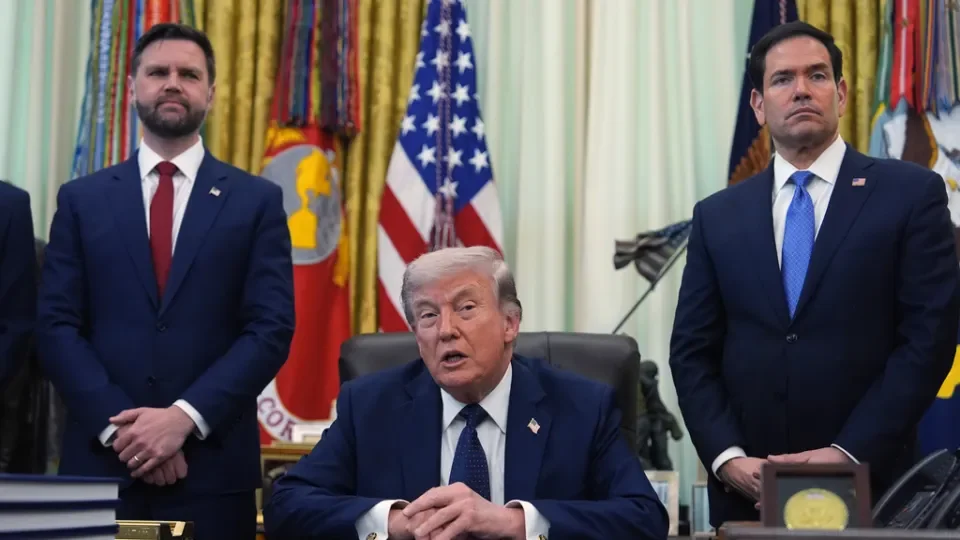 President Donald Trump speaks as Secretary of State Marco Rubio, right, and Vice President JD Vance listen in the Oval Office at the White House, Thursday, April 23, 2026, in Washington. (AP Photo/Mark Schiefelbein)
The role of direct US mediation in the 2026 transition
The announcement highlights a shift toward highly centralized mediation, with Trump directly involved in the communications between the Israeli government and Lebanese leadership. This top-down approach aims to bypass stalled bureaucratic channels, but it also ties the stability of the ceasefire directly to US political influence.
Diplomatically, this three-week period will likely be used to hammer out the specifics of "Annex A" of the security agreement, which dictates the technicalities of the IDF withdrawal and the specific coordinates of the buffer zone. If these technical details are not finalized within the 21-day window, the parties may face the same brinkmanship that preceded this extension. For now, the primary achievement is the avoidance of a renewed "Gaza-style" escalation in Southern Lebanon, though the path to a permanent resolution remains fraught with procedural and military hurdles.
Comments (0)
Please login to comment
Sign in to share your thoughts and connect with the community
Loading...