

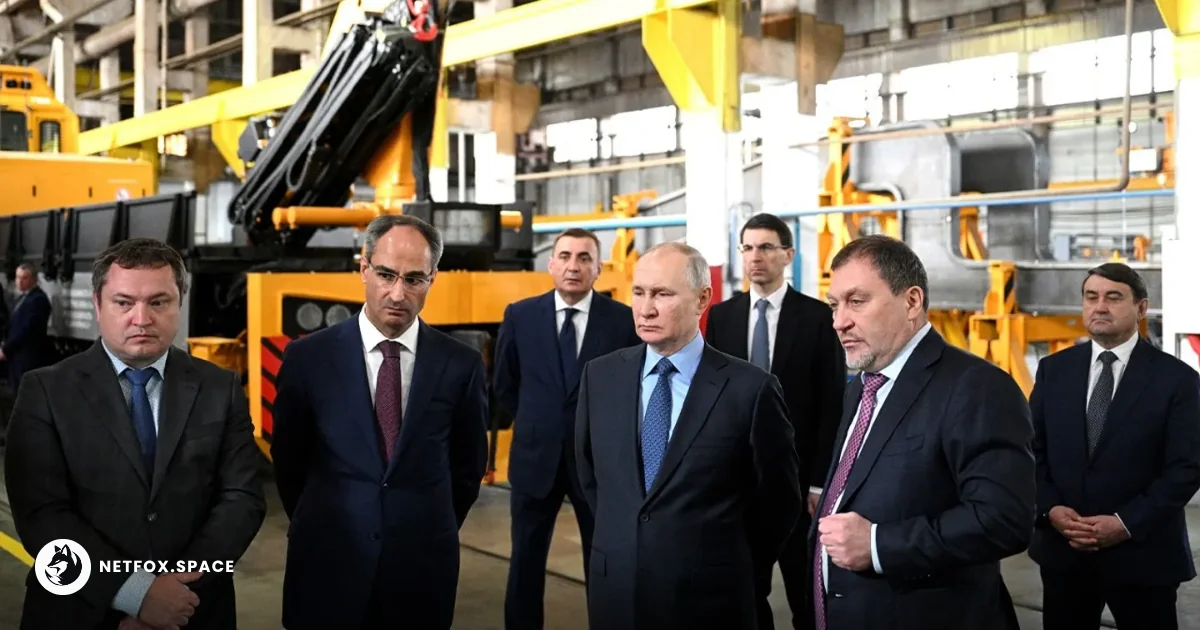
The Russian government has moved to seize control of a firm with ties to the United States, an action that occurs alongside public statements from the Kremlin expressing a desire to stabilize its fractured relationship with Washington.
Asset seizure highlights the risk to foreign entities remaining in Russia
Russian authorities have formalised the transfer of control over a specific firm linked to U.S. interests, according to reporting on the seizure. This move represents a continuation of Moscow’s policy of placing foreign-owned or foreign-linked assets under temporary state management, a mechanism frequently used since the onset of major international sanctions.
The seizure underscores a persistent operational risk for Western organizations: even as diplomatic channels are discussed, the legal environment for foreign assets remains volatile. For practitioners in international risk assessment, this case demonstrates that "linked" status even if not a direct parent-subsidiary relationship can be sufficient grounds for state intervention under current Russian decrees.
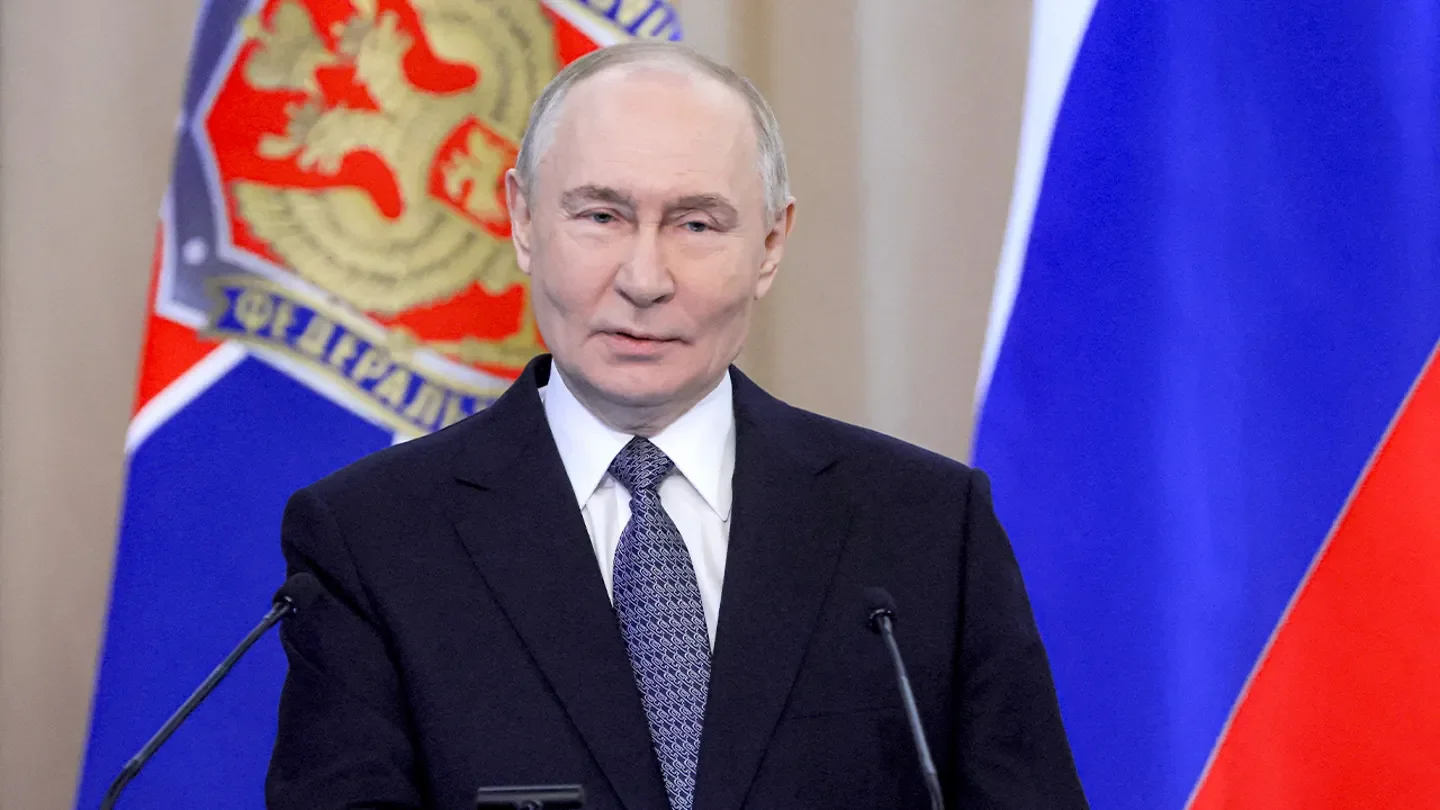 Russian President Vladimir Putin delivers a speech during a meeting of the Federal Security Service board in Moscow, Russia, on Feb. 24, 2026. (Mikhail Metzel/Sputnik/Pool/Reuters)
Simultaneous diplomatic signaling suggests a dual-track strategy
The seizure is notable for its timing, coinciding with high-level comments regarding the potential for a "constructive" dialogue with the United States. Kremlin officials have recently indicated a willingness to engage in talks to find a way out of the current "dead end" in bilateral relations.
This suggests a dual-track approach where Russia continues to consolidate domestic control over foreign-linked economic infrastructure while using that control as a latent bargaining chip. By asserting authority over U.S.-linked interests, Moscow creates a practical reality on the ground that Washington would likely want to address in any future diplomatic "reset" or negotiation.
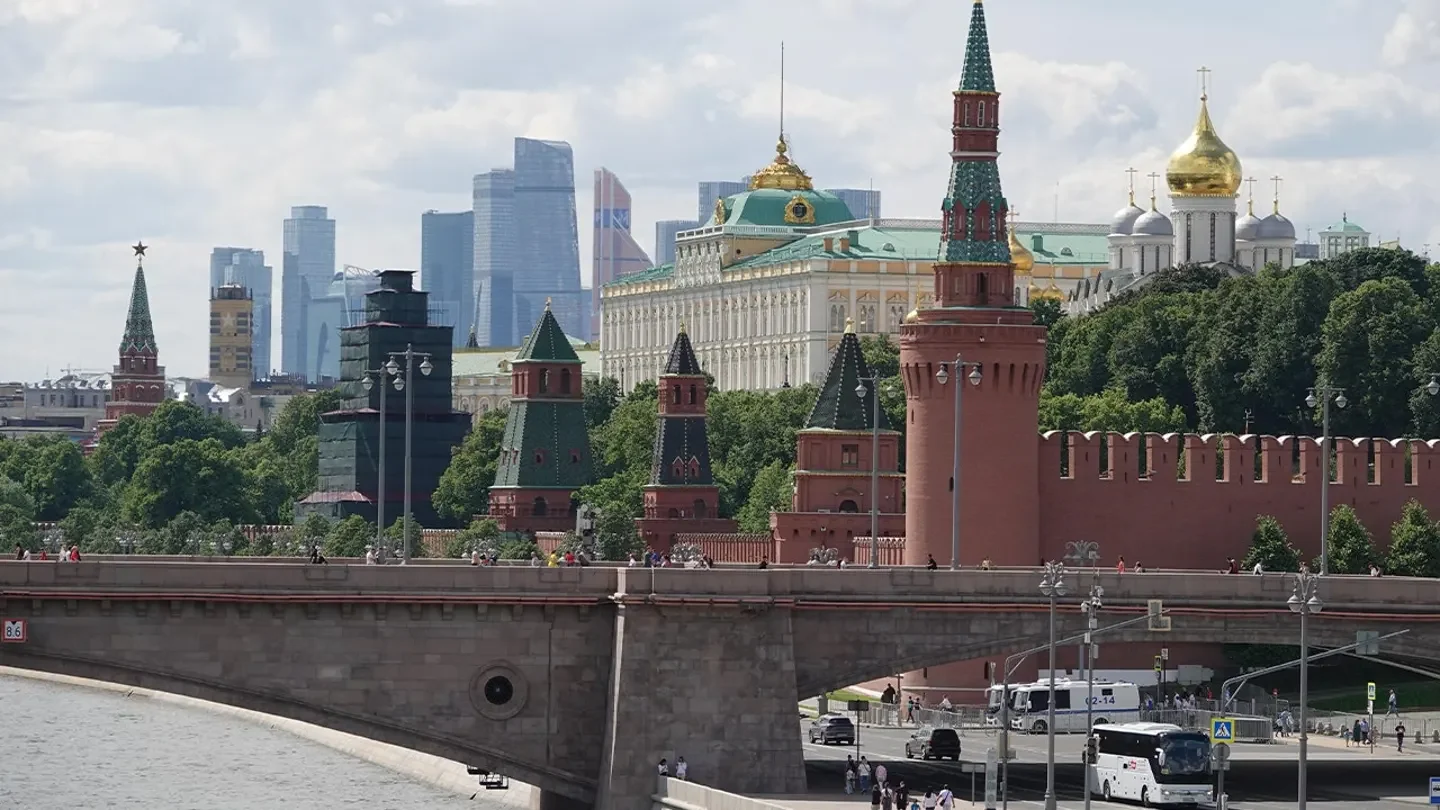 From the Moskva River, the Kremlin and the high-rise and business district of Moskva City (background) can be seen behind the bridge. (Ulf Mauder/picture alliance via Getty Images)
Institutional roadblocks remain despite the rhetoric of de-escalation
While the rhetoric from Moscow has shifted toward the possibility of renewed ties, the structural reality of asset seizures complicates the path to normalization. The move follows other recent disruptions in the financial sector, such as the termination of agreements involving major European banks like ING, which recently ended its deal to sell its Russian business.
These developments indicate that while the Kremlin may speak of "constructive" ties, the technical and legal barriers to reintegrating Western business interests are actually hardening. For policymakers, the challenge lies in distinguishing between tactical diplomatic maneuvers intended to lower the temperature and actual changes in state policy regarding the treatment of foreign property and legal rights.
Unresolved status of the seized firm’s operational future
The exact identity of the U.S. backers and the specific operational scale of the firm have not been fully disclosed in the initial reporting. This lack of transparency is characteristic of recent Russian state management orders, which often prioritize the transfer of control over the public dissemination of the firm's financial health or management structure.
It remains unverified how the state intends to manage the firm’s specific liabilities or if it will eventually be handed over to local Russian commercial interests. This pattern of "temporary" management often serves as a precursor to permanent nationalization or a managed sale to domestic entities favored by the state, further distancing the asset from its original Western links.
Comments (0)
Please login to comment
Sign in to share your thoughts and connect with the community
Loading...