
Trump Rates Macron 'an 8' Amid US-France Middle East Split

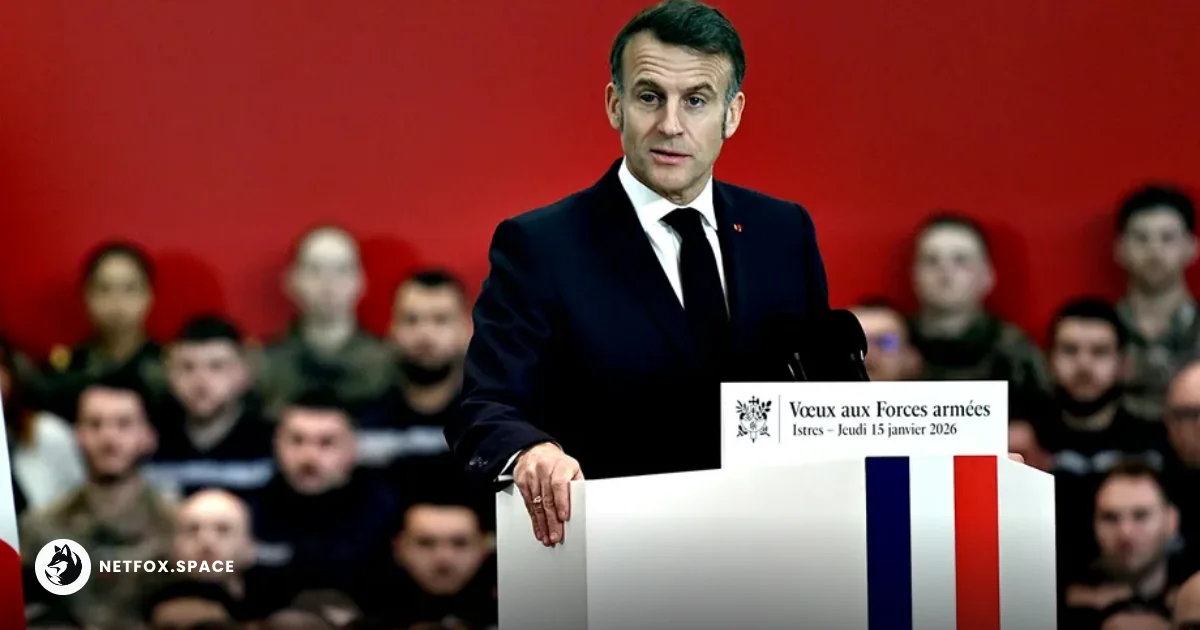
Diplomatic Personalism vs. Geopolitical Divergence
During a recent assessment of international relations, President Donald Trump assigned French President Emmanuel Macron a numerical rating of "8," a gesture that emphasizes personal rapport over structural policy alignment. This interaction occurred amidst a backdrop of escalating tensions in the Middle East, where the United States and the French Republic have begun to mirror diverging national interests rather than a unified Western front. The rating serves as a tactical "softening" of rhetoric even as the two administrations clash over the specific execution of regional security and ceasefire negotiations.
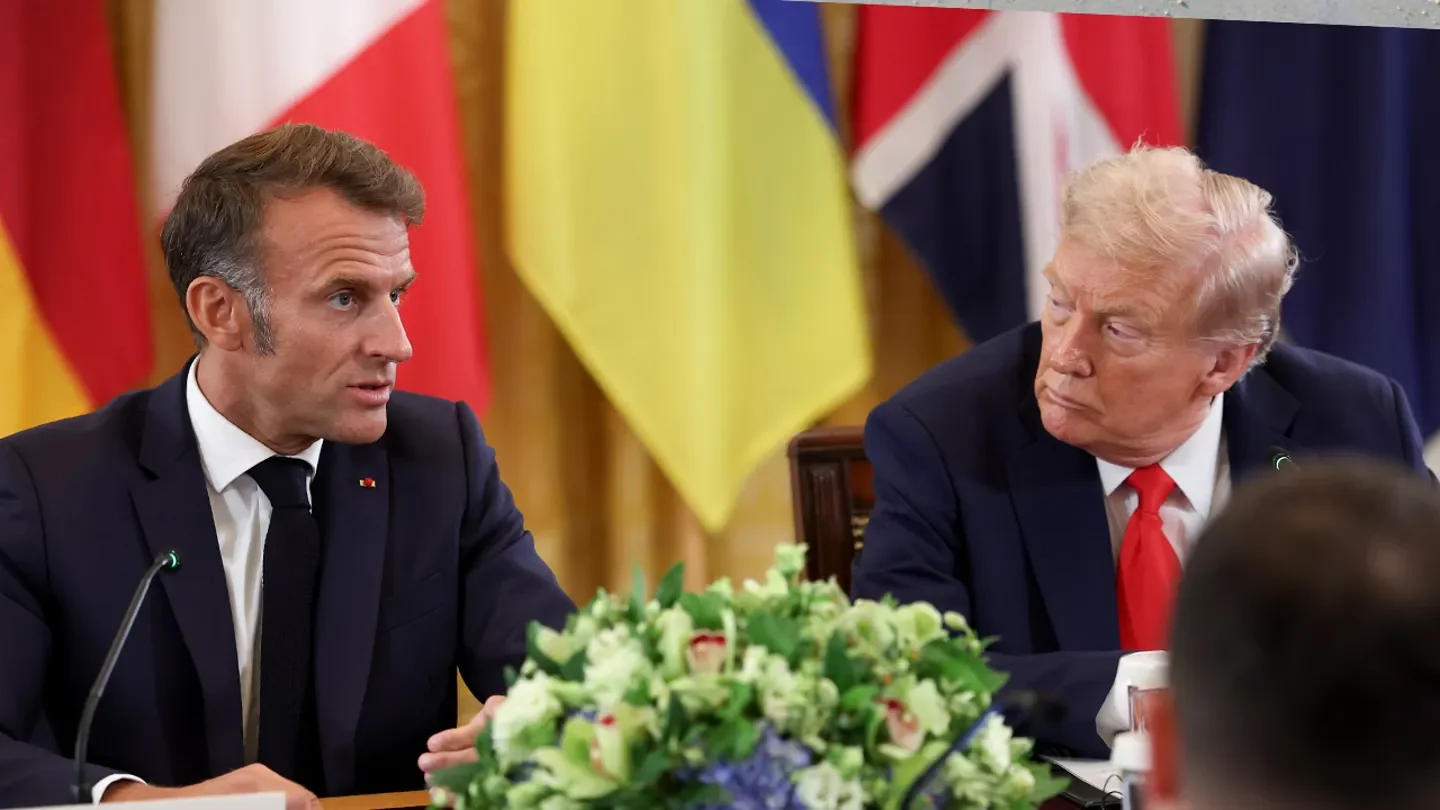 President Donald Trump struck a mixed tone on France’s role Monday. (Win McNamee/Getty Images)
Strategic Decoupling in the Middle East
The primary friction point involves the Quai d'Orsay (French Ministry for Europe and Foreign Affairs) advocating for a more immediate, multi-lateral ceasefire approach that includes broader recognition of Palestinian political aspirations. In contrast, the Trump Administration has prioritized a "Peace through Strength" doctrine, leaning heavily on bilateral deals and the expansion of the Abraham Accords framework. This divergence is not merely rhetorical; it affects intelligence sharing and the coordination of maritime security operations in the Red Sea and the Levant.
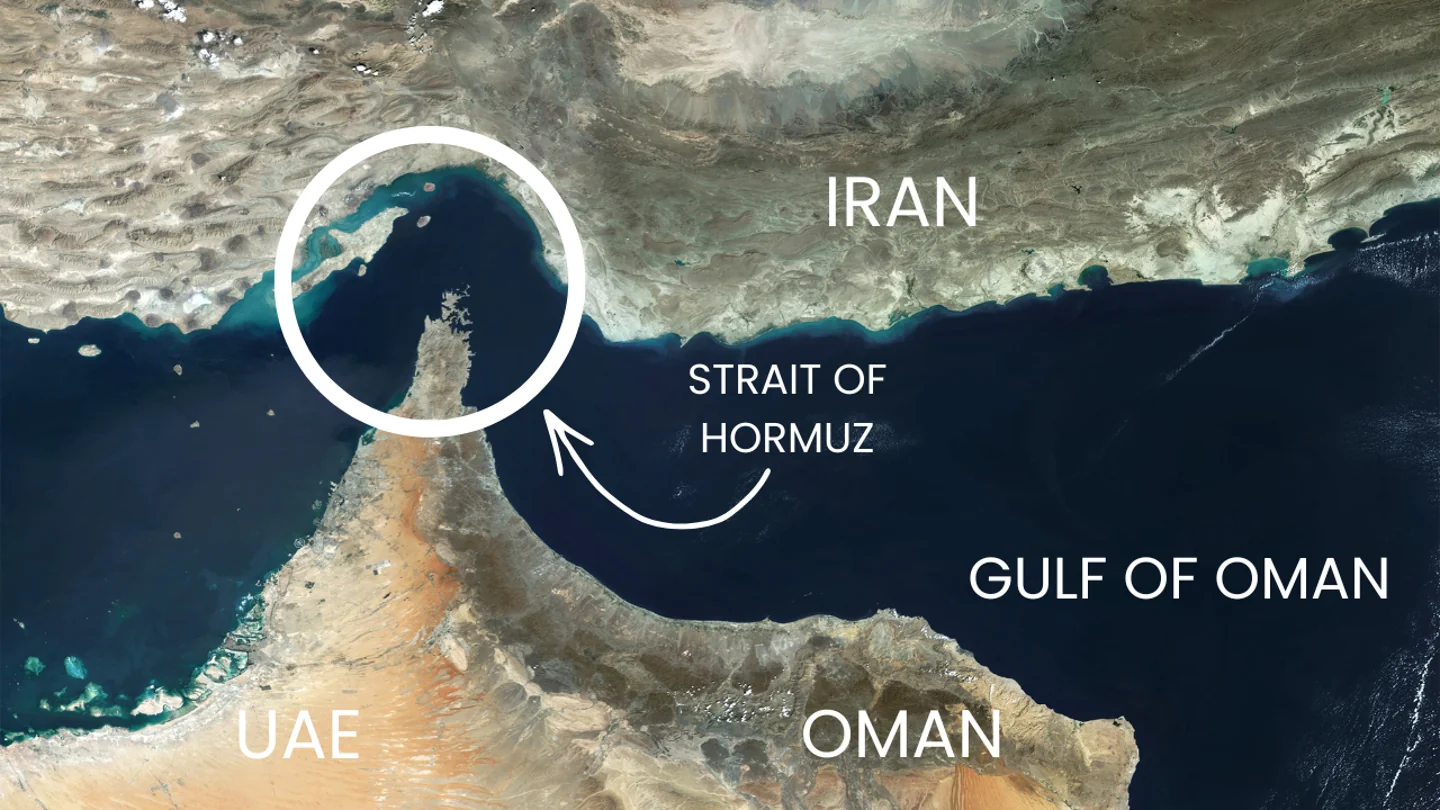 A satellite image shows the Strait of Hormuz, a key maritime passage connecting the Persian Gulf to the Gulf of Oman, vital for global energy supply. (Amanda Macias/Fox News Digital)
The Mediterranean Autonomy Gambit
What many observers are overlooking is France’s strategic pivot toward "European Strategic Autonomy" specifically within the Mediterranean Basin. While the U.S. remains focused on containing Iranian influence through economic "maximum pressure," Macron is positioning France as a mediator that can speak to regional actors such as Lebanon and Algeria that are increasingly wary of American unilateralism. By maintaining a separate line of communication with these entities, France is effectively hedging against a total U.S. withdrawal or a shift in American focus toward the Indo-Pacific theater, creating a "soft power" vacuum that Paris intends to fill.
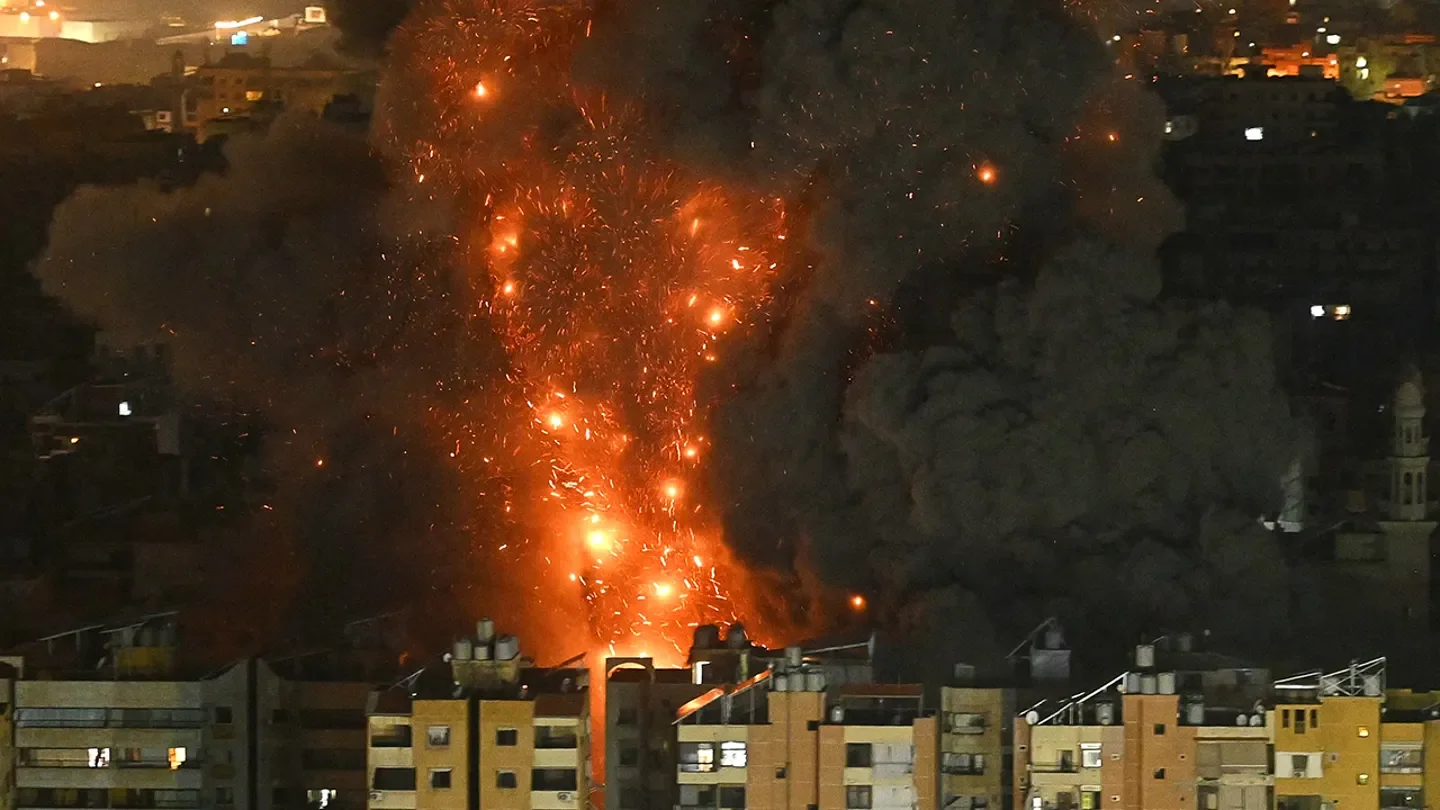 A fireball rises from the site of an Israeli airstrike that targeted an area in Beirut's southern suburbs overnight, March 10 to March 11, 2026. (Fadel itani / AFP via Getty Images)
Institutional Strain within the NATO Framework
The split over Middle East strategy places significant pressure on the North Atlantic Treaty Organization (NATO) as a cohesive political body. Historically, the U.S. and France have functioned as the two primary Western pillars with expeditionary capabilities in Africa and the Middle East. If the U.S. Department of State and the French presidency continue to issue conflicting directives on regional escalations, it risks a "command and control" fragmentation where EU-led missions and U.S.-led coalitions operate without a synchronized endgame, potentially emboldening non-state actors in the region.
Comparative Strategic Priorities: US vs. France
| Policy Area | United States Position (Trump Admin) | French Position (Macron Admin) |
|---|---|---|
| Iran Nuclear Strategy | Maximum pressure and bilateral containment. | Multilateral diplomacy and revival of frameworks. |
| Israel-Palestine | Focus on regional integration via Abraham Accords. | Two-state solution with immediate humanitarian priority. |
| Regional Security | U.S.-led maritime coalitions (e.g., Operation Prosperity Guardian). | EU-centric naval presence and independent diplomacy. |
| Economic Engagement | Transactional defense contracts and energy deals. | Long-term infrastructure and cultural influence (Francophonie). |
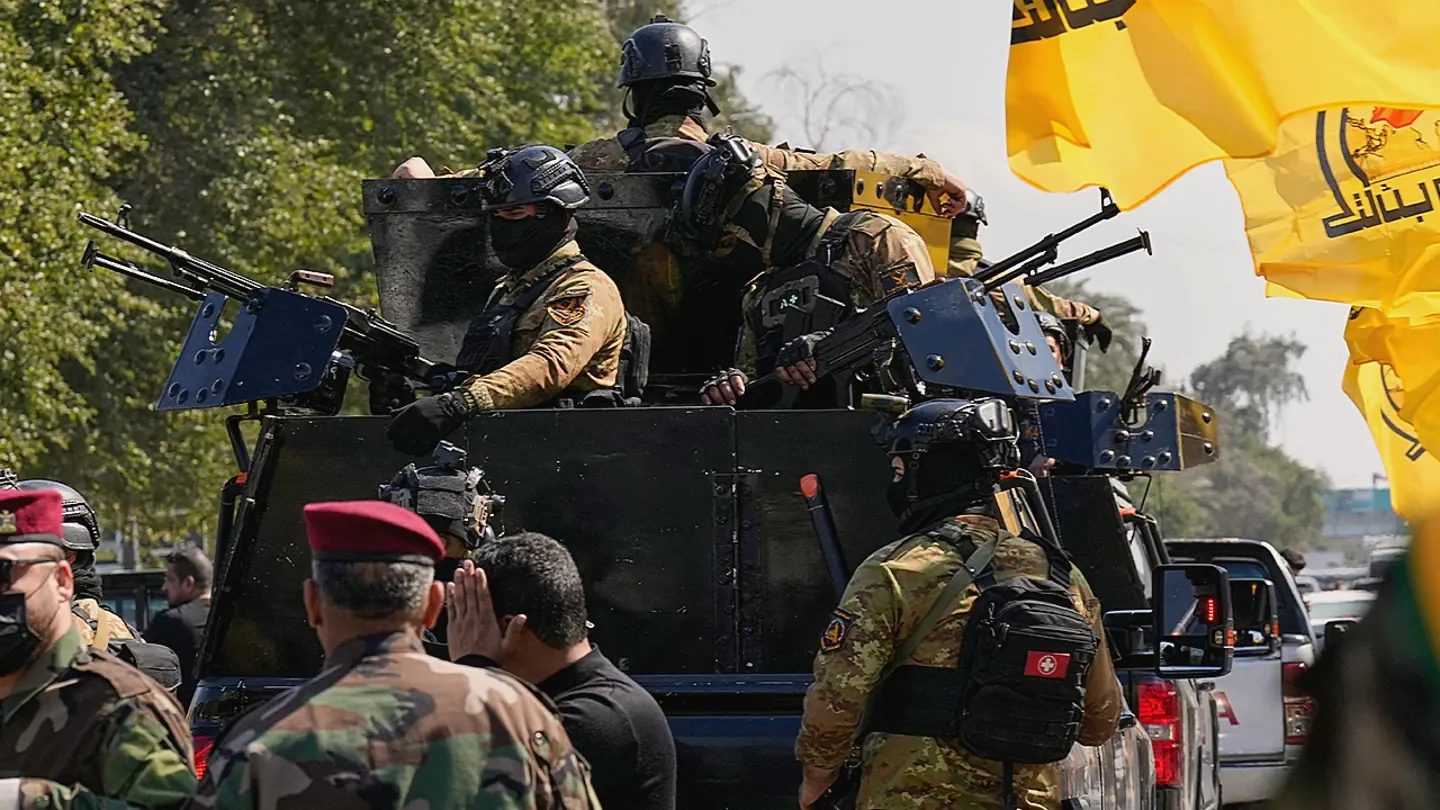 Hezbollah launches long-range missiles from Lebanon into northern Israel within 48 hours of strikes on Iran, escalating the widening conflict amid Operation Epic Fury. (Hadi Mizban/AP)
Impending Crisis of the "Special Relationship"
The current "8" rating provides a temporary ceiling for diplomatic hostility, but it does little to address the looming collision between French dirigisme and American protectionism. As France prepares for its next electoral cycle and the U.S. solidifies its isolationist-leaning trade policies, the Middle East serves as the first laboratory for a post-unipolar world. The risk remains that a sudden escalation in Lebanon or a breakdown in Persian Gulf shipping lanes will force a choice between Paris and Washington that neither leader is currently prepared to make, turning a numerical rating into a moot point of historical trivia.
Comments (0)
Please login to comment
Sign in to share your thoughts and connect with the community
Loading...