

The Synchronicity of the Netanyahu-Trump Doctrine
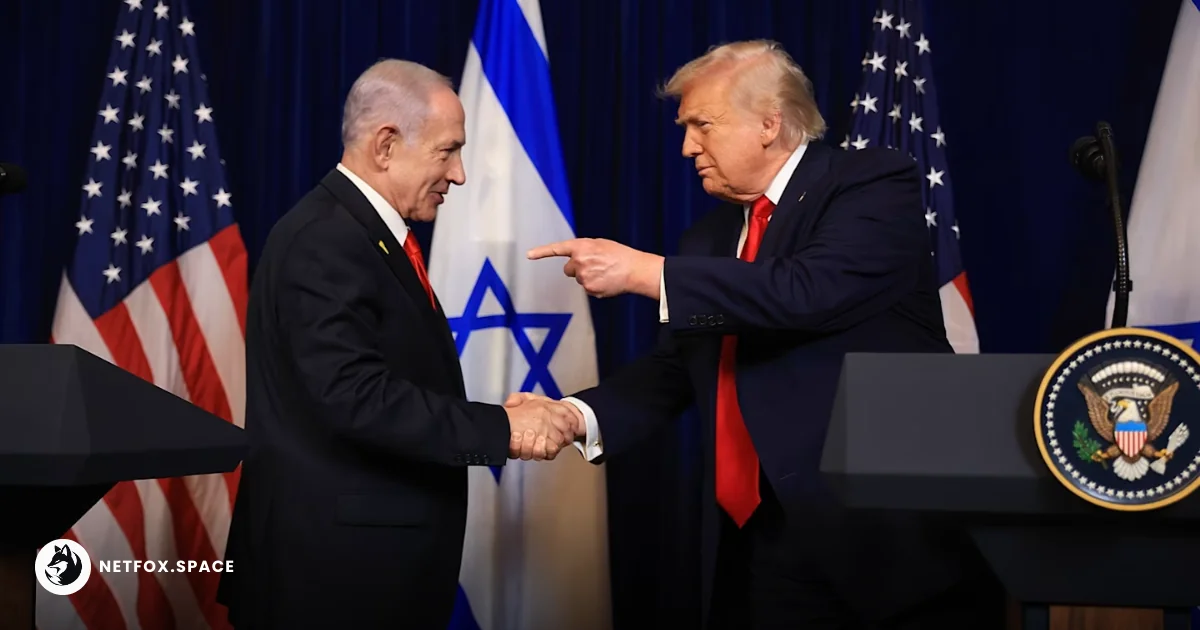
The geopolitical landscape of the Middle East is undergoing a fundamental realignment as Prime Minister Benjamin Netanyahu prepares to interface with the incoming administration of Donald Trump. This partnership represents more than a personal alliance; it is a convergence of two "maximum pressure" philosophies aimed at the Islamic Republic of Iran. For Netanyahu, the return of Trump provides a sovereign window to execute long-standing security objectives that were frequently met with friction during the Biden-Harris administration.
The core of this development lies in the "fixation" Netanyahu has maintained regarding Iran’s nuclear capabilities and its regional proxy network. Unlike previous years where Israel acted with tactical restraint to maintain diplomatic parity with Washington, the current synchronization suggests a shift toward proactive regional restructuring. This is not merely a continuation of past policies but an acceleration of the "Octopus Doctrine," targeting the head of the Iranian regime rather than just its tentacles in Lebanon or Gaza.
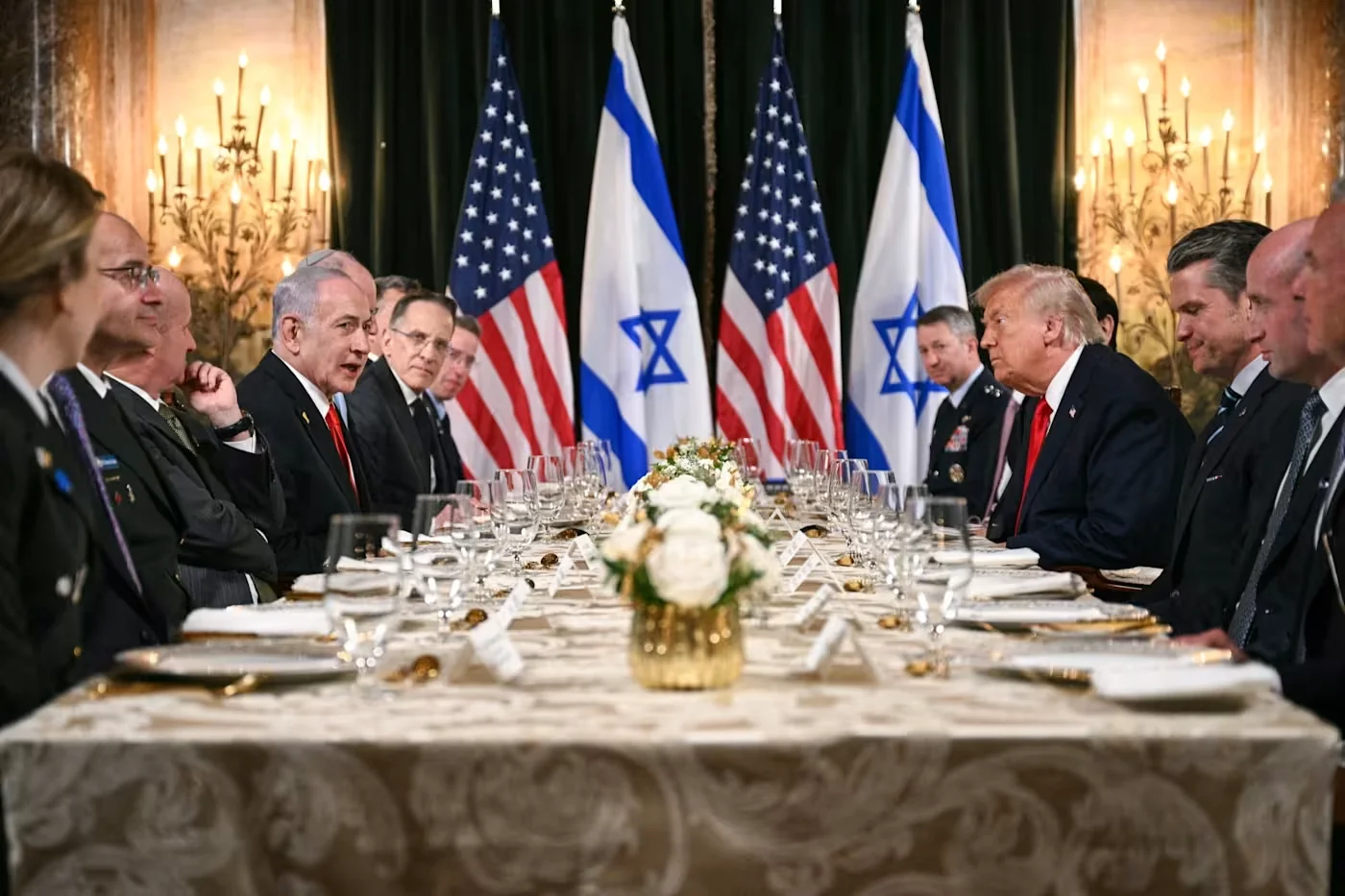 US President Donald Trump and Israeli Prime Minister Benjamin Netanyahu and their teams hold a bilateral meeting at Mar-a-Lago, Florida, in December © Jim Watson/AFP/Getty Images
Immediate Tactical Shifts in Regional Containment
The immediate impact of this alignment is visible in the emboldened military posture of the Israel Defense Forces (IDF). With the anticipation of a White House that prioritizes "peace through strength," Israeli planners are re-evaluating the thresholds for direct kinetic action against Iranian soil. The diplomatic friction regarding "red lines" is being replaced by a shared understanding of Iranian "containment by any means."
Regional actors, specifically the members of the Abraham Accords including the United Arab Emirates and Bahrain are closely monitoring this shift. The immediate reaction is a recalibration of security guarantees. While the Biden administration sought a balanced "integrated air and missile defense" (IAMD) system involving Arab partners, the Netanyahu-Trump era is likely to favor a more aggressive, offensive coalition focused on degrading the Islamic Revolutionary Guard Corps (IRGC) influence.
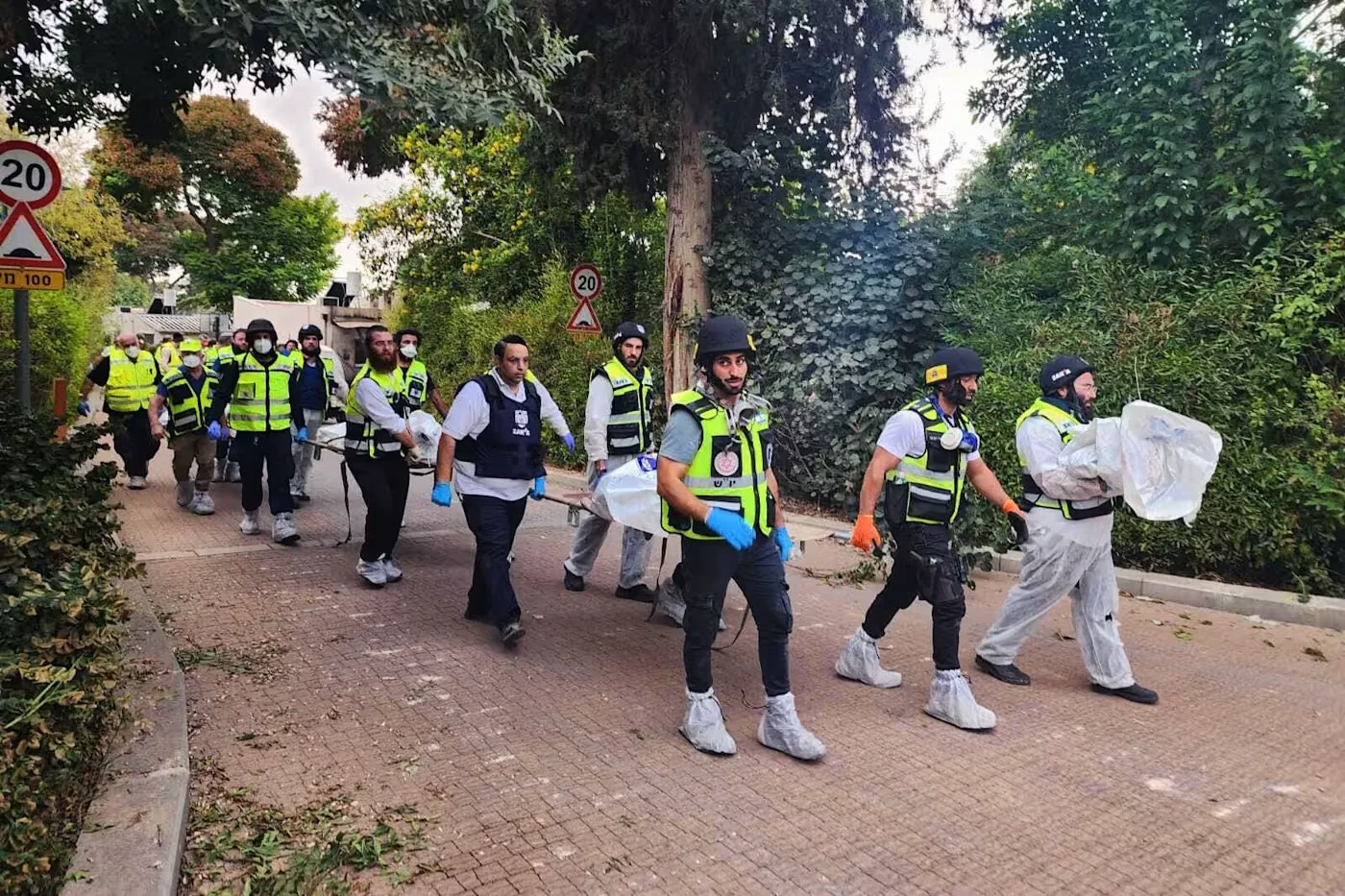 Volunteers from the Orthodox Jewish organisation Zaka remove bodies for burial after the October 7 2023 attack by Hamas © Zaka
The "Maximum Pressure 2.0" Structural Shift
While mainstream analysis focuses on the personal rapport between the two leaders, the deeper implication lies in the systematic dismantling of the remaining vestiges of the Joint Comprehensive Plan of Action (JCPOA). The structural shift here is the transition from "containment" to "regime fragility exploitation." Competitors often ignore that Netanyahu's goal is no longer just stopping a bomb; it is the economic and political delegitimization of the clerical establishment in Tehran.
The original synthesis of the Trump-Netanyahu approach involves a dual-track assault: a "sanctions wall" designed to be politically irreversible by future US administrations, coupled with Israeli "grey zone" operations. This strategy leverages Iran’s internal economic instability marked by a depreciating rial and domestic unrest as a force multiplier for external military pressure. The goal is to force Tehran into a strategic overextension that leads to internal collapse or a total surrender of its nuclear ambitions.
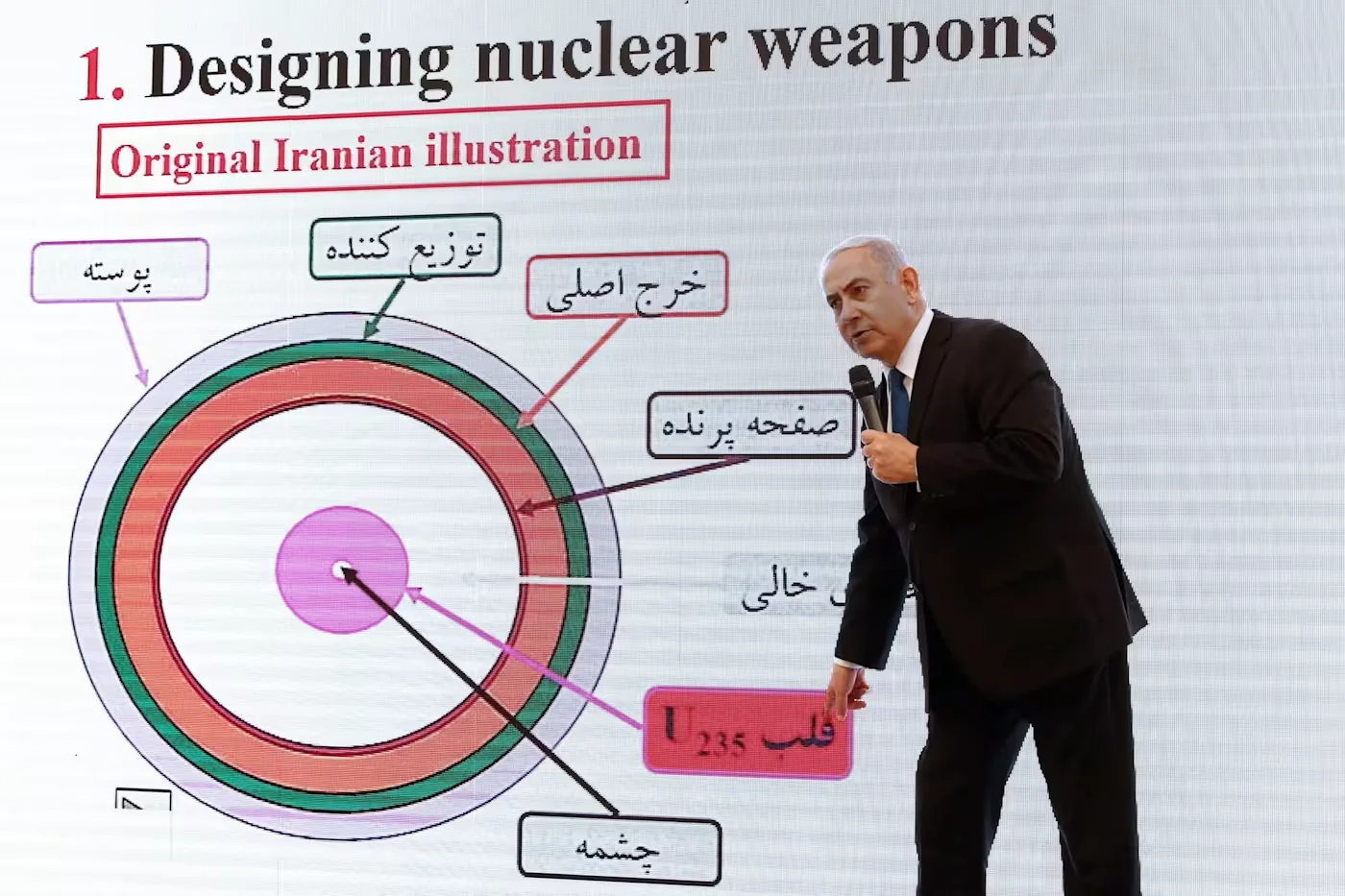 Netanyahu delivers a speech about Iran’s nuclear programme in Tel Aviv in 2018 © Jack Guez/AFP/Getty Images
Sector-Wide Impact on Global Energy and Security
The escalation of this "fixation" has profound implications for the global energy sector and maritime security in the Persian Gulf. A return to maximum pressure likely includes stricter enforcement of secondary sanctions on Iranian oil exports, specifically targeting the "dark fleet" tankers delivering crude to China. This move risks volatility in global oil benchmarks like Brent Crude, as the market prices in the potential for Iranian retaliation in the Strait of Hormuz.
| Factor | Strategic Implication | Risk Level |
|---|---|---|
| Iranian Oil Exports | Sharp reduction in "ghost" fleet shipments to Asian markets. | High |
| Regional Proxy Activity | Increased "asymmetric" attacks from Houthi and Hezbollah remnants. | Critical |
| Nuclear Enrichment | Potential for Iranian "breakout" before Trump’s inauguration. | Immediate |
| US Military Footprint | Shift from defensive posture to "deterrence by denial" in the Gulf. | Moderate |
The defense technology sector is also poised for a surge, as Israel seeks to integrate AI-driven intelligence and long-range strike capabilities with American logistical support. This collaboration will likely redefine the standard for 21st-century electronic warfare and missile defense, setting a precedent for how mid-sized powers leverage superpower backing to reshape their immediate theaters.
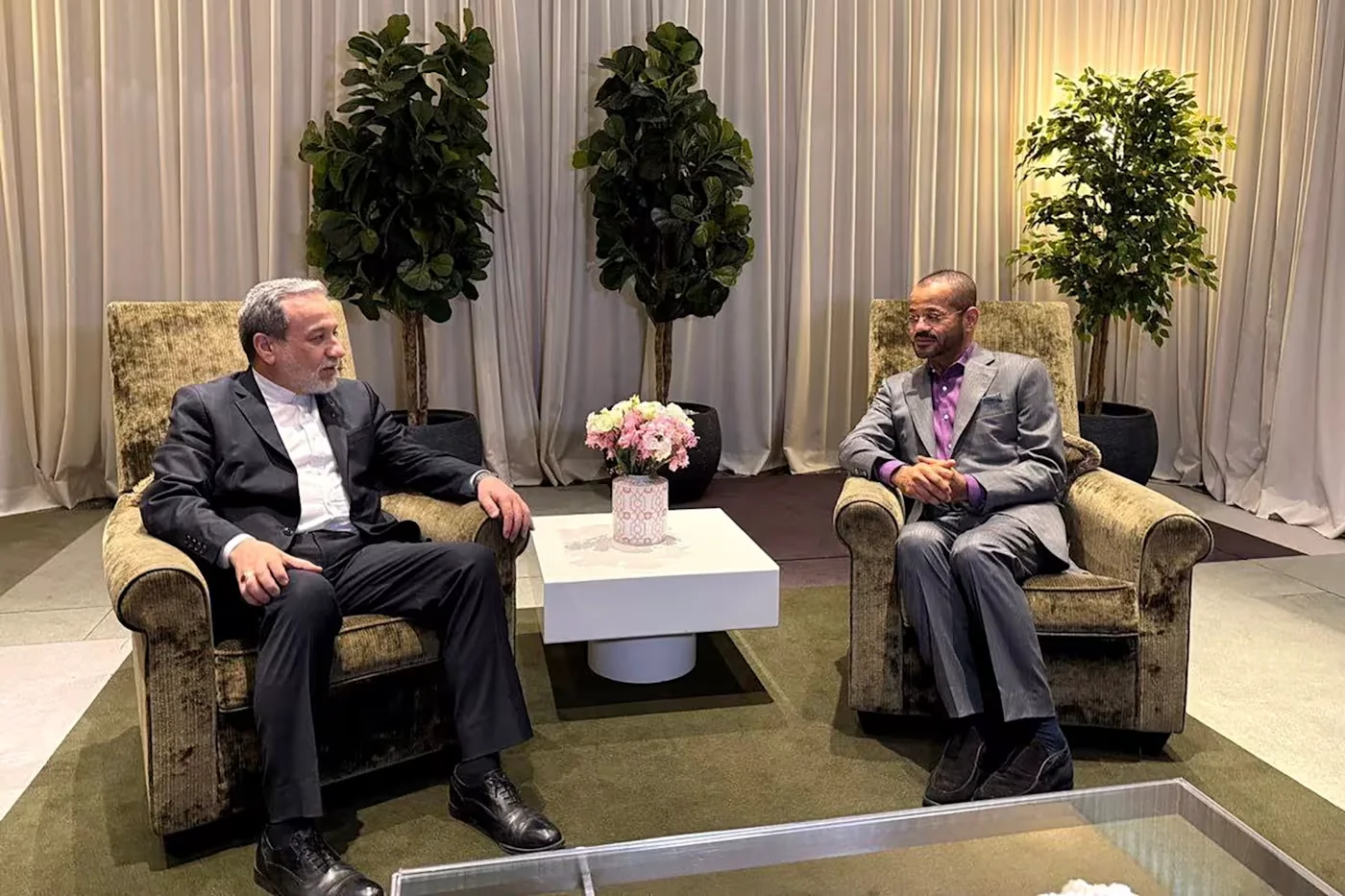 Iran’s foreign minister Abbas Araghchi, left, with his Omani counterpart Badr Albusaidi during talks in Geneva, just days before US-Israeli attacks began © Iran’s Foreign Ministry/AFP/Getty Images
The Risks of Strategic Overreach
The forward tension resides in the potential for a "miscalculation cycle." As Netanyahu pursues his Iranian objectives with renewed American cover, the threshold for a regional conflagration lowers. The United Nations Security Council and European allies remain concerned that a total lack of a diplomatic "off-ramp" will leave Tehran with no choice but to accelerate its nuclear weaponization as a final survival guarantee.
The structural consequence of this era will be the end of the "strategic patience" model. Whether through a negotiated "grand bargain" or a direct military confrontation, the Netanyahu-Trump alliance is set to force a definitive conclusion to the four-decade-long cold war between the West and the Islamic Republic. The risk remains whether the regional infrastructure can survive the shockwaves of such a massive geopolitical correction.
Comments (0)
Please login to comment
Sign in to share your thoughts and connect with the community
Loading...