

The Catalyst of the Quaid Critique
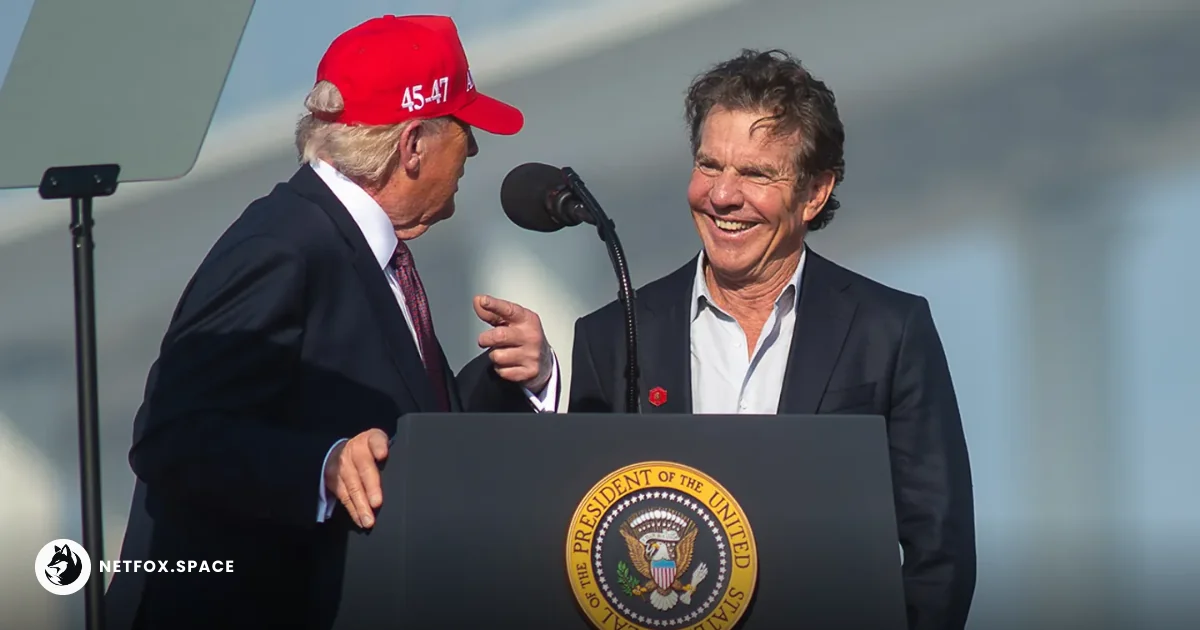
Veteran actor Dennis Quaid has publicly addressed what he characterizes as a pervasive "double standard" within the American film industry regarding political affiliation. During a recent media appearance, the Reagan star argued that while progressive political expression is a celebrated norm in Los Angeles, vocal support for former President Donald Trump often results in professional friction or social ostracization.
This assertion coincides with the promotional cycle for his upcoming biographical film, positioning the actor as a rare, high-profile dissenting voice in an industry historically aligned with the Democratic Party. Quaid’s remarks suggest that the "blacklisting" fears of the mid-20th century have evolved into a modern, informal "gray-listing" based on ideological alignment.
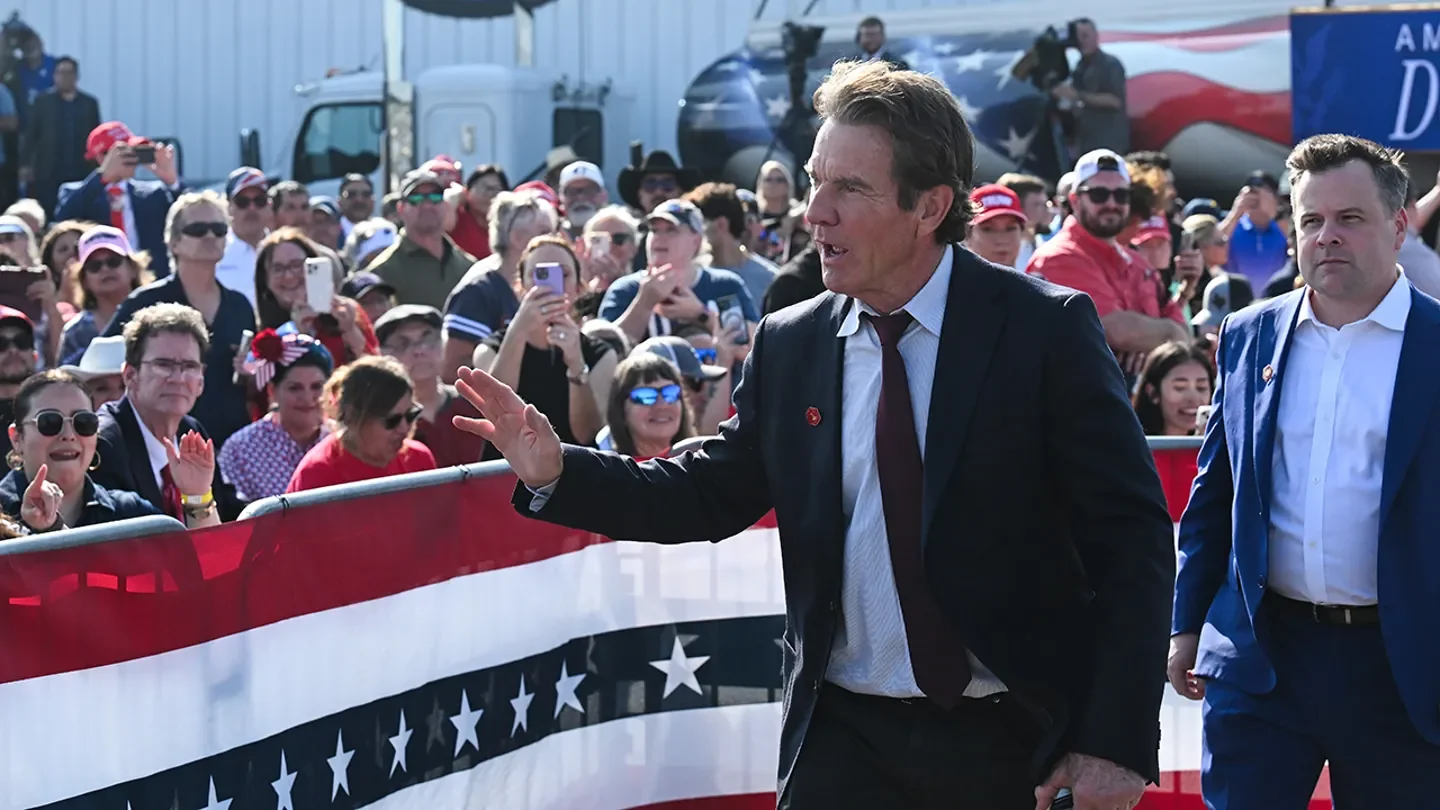 Dennis Quaid waves to Trump supporters in Texas. (Roberto Schmidt/Getty Images)
Immediate Industry and Cultural Resonance
The reaction to Quaid’s statement has fractured along predictable partisan lines, yet it highlights a growing tension within Screen Actors Guild-American Federation of Television and Radio Artists (SAG-AFTRA) circles. While many colleagues remain silent to avoid professional risk, Quaid’s stance emboldens a small but vocal minority of "closet conservatives" in the entertainment sector.
The timing is particularly sensitive as the 2024 U.S. Presidential Election approaches. Quaid’s framing of the issue as a matter of "fairness" rather than pure policy allows him to appeal to broader concepts of American pluralism, though critics argue that Hollywood’s stance is a response to the polarizing nature of the candidates themselves rather than a rejection of conservative principles.
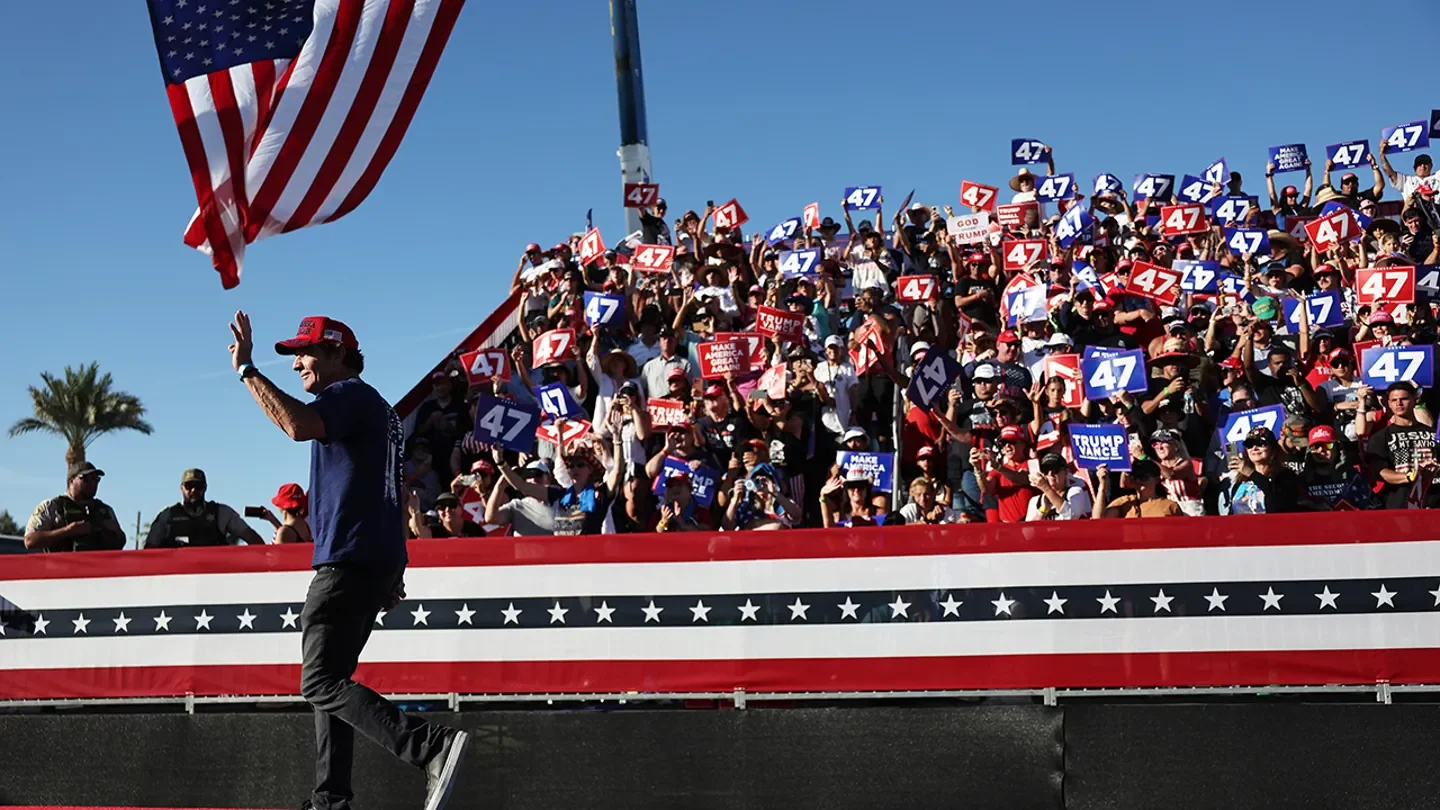 Dennis Quaid at a Trump rally in California in 2024. (Mario Tama/Getty Images)
The Mechanism of Selective Tolerance
What most mainstream analysis overlooks is the structural reality of the Hollywood Talent Agency System. Agencies such as Creative Artists Agency (CAA) and William Morris Endeavor (WME) do not just manage careers; they manage brand safety. In the current corporate climate, "brand safety" is often equated with progressive social stances to satisfy global advertisers and ESG (Environmental, Social, and Governance) criteria.
The "double standard" Quaid identifies is not merely a collection of personal biases but a financial defensive mechanism. Producers fear that associating a project with a pro-Trump lead could alienate a segment of the international audience or complicate marketing partnerships with brands that prioritize social justice branding. Consequently, the "standard" is enforced through casting choices and funding allocations long before a film reaches the public.
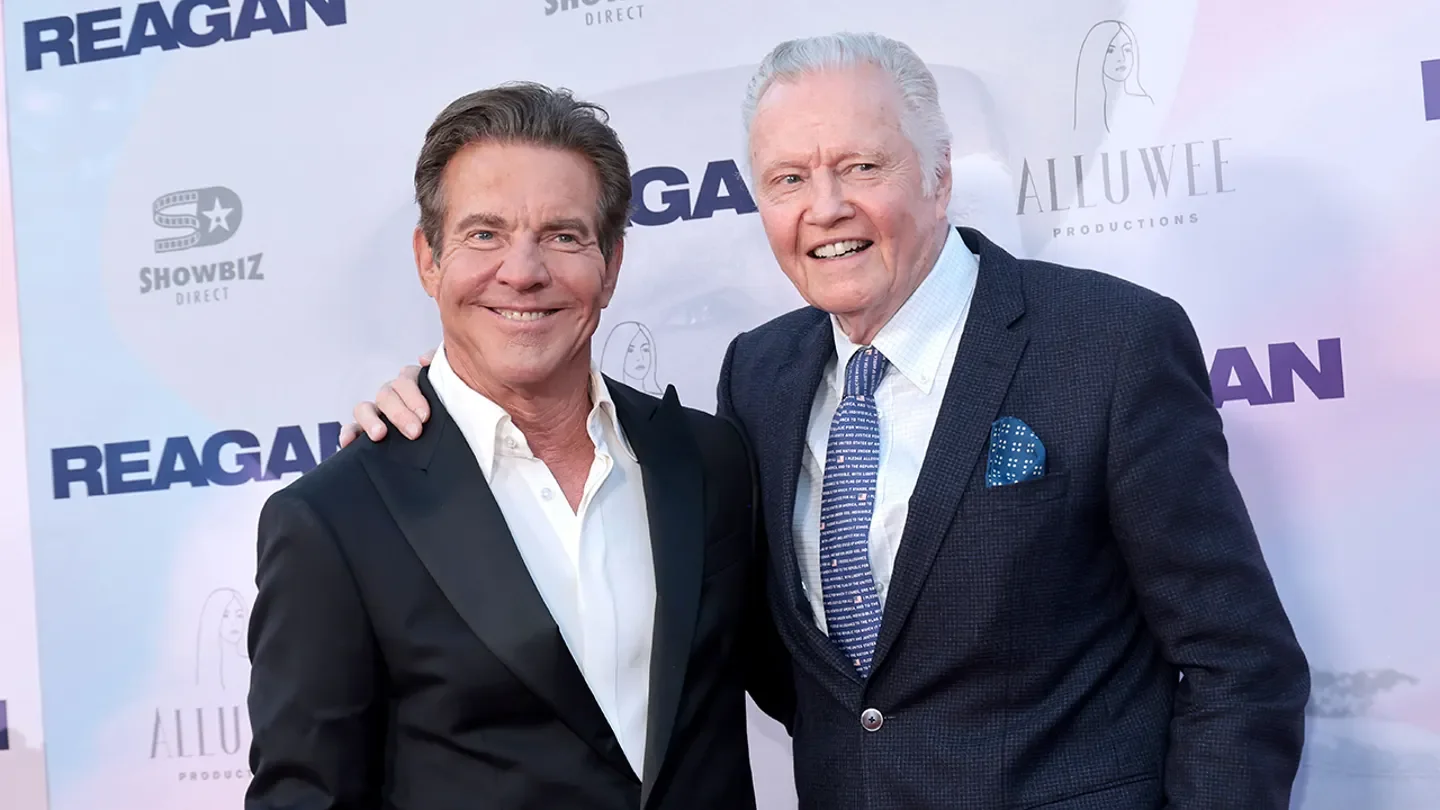 Dennis Quaid with fellow Trump supporter Jon Voight at the premiere of "Reagan" in Hollywood in 2024. (Amy Sussman/Getty Images)
Comparative Political Climate in Entertainment
| Era / Context | Primary Ideological Pressure | Consequence of Dissent |
|---|---|---|
| 1950s (McCarthyism) | Anti-Communist / HUAC | Formal Blacklisting / Prison |
| 1990s - 2010s | Broad Liberal Consensus | Minimal; Debate was "Safe" |
| Post-2016 Era | Anti-Populist / Social Justice | Social Shunning / Loss of "Brand Safety" |
| Current (2024) | Polarization / ESG Metrics | Project Defunding / Selective Casting |
Systematic Implications for Artistic Diversity
If Quaid’s assessment is accurate, the long-term implication for the biotech and creative tech sectors supporting Hollywood is a narrowing of the "narrative funnel." When an industry self-censors to avoid political controversy, the range of stories told becomes homogenized. This creates a market vacuum that independent studios and alternative distribution platforms often dubbed "Alt-Tech" are beginning to fill.
The risk for major studios like Disney or Warner Bros. Discovery is the potential alienation of nearly half the domestic American audience. By allowing a perceived double standard to persist, the industry risks ceding cultural relevance to fragmented, niche platforms that do not adhere to the traditional Hollywood gatekeeping model.
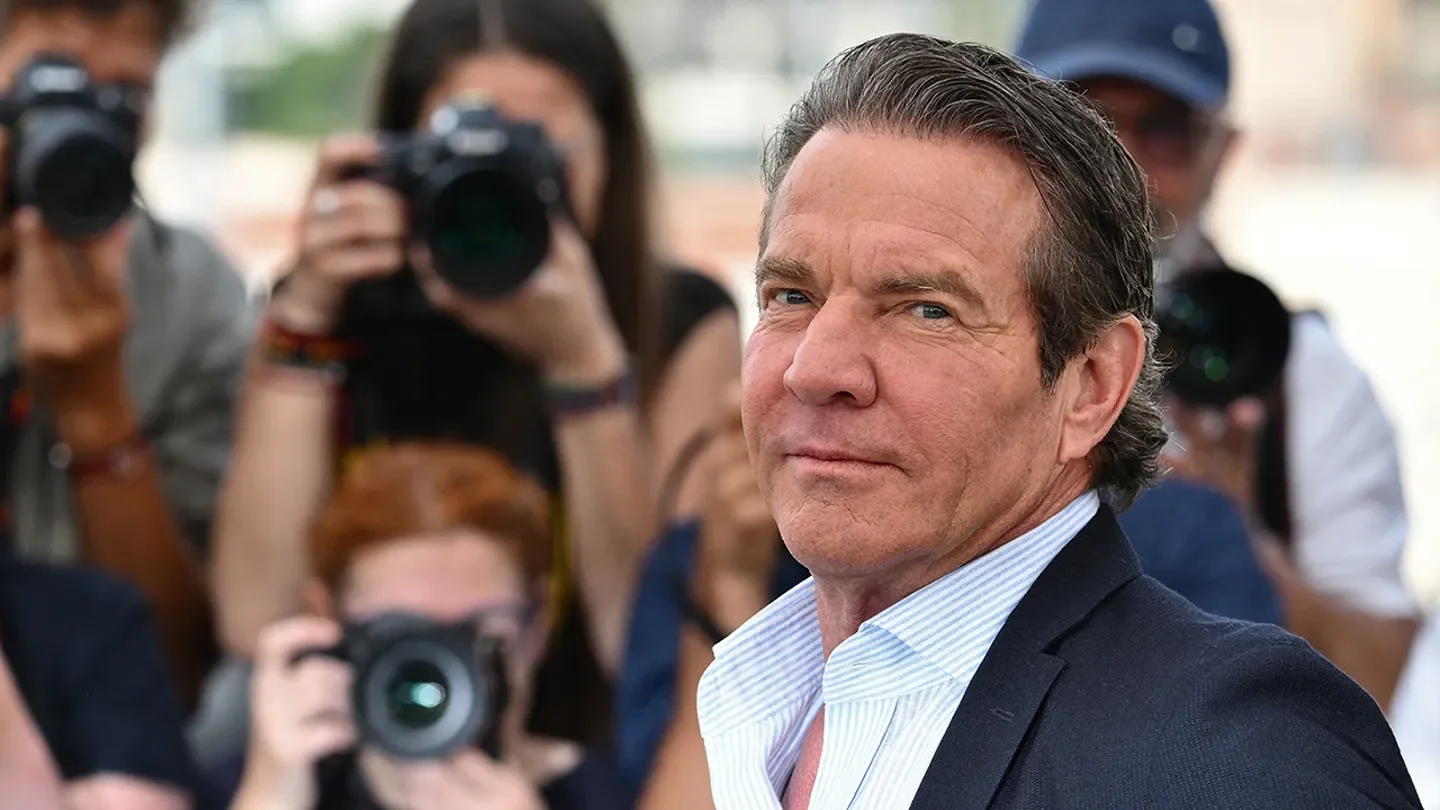 Dennis Quaid at the Cannes Film Festival in 2024. (Christophe Simon/AFP via Getty Images))
The Shift Toward Fragmented Media Power
The emergence of high-profile critiques from established figures like Quaid signals a breakdown in the once-monolithic cultural front of the media and entertainment industry. As the "Reagan" biopic moves toward wide release, it serves as a litmus test for the commercial viability of content that explicitly caters to the demographic Hollywood is accused of ignoring. The outcome will likely dictate whether major studios pivot toward ideological neutrality or double down on their current cultural positioning as a matter of corporate identity.
Comments (0)
Please login to comment
Sign in to share your thoughts and connect with the community
Loading...