

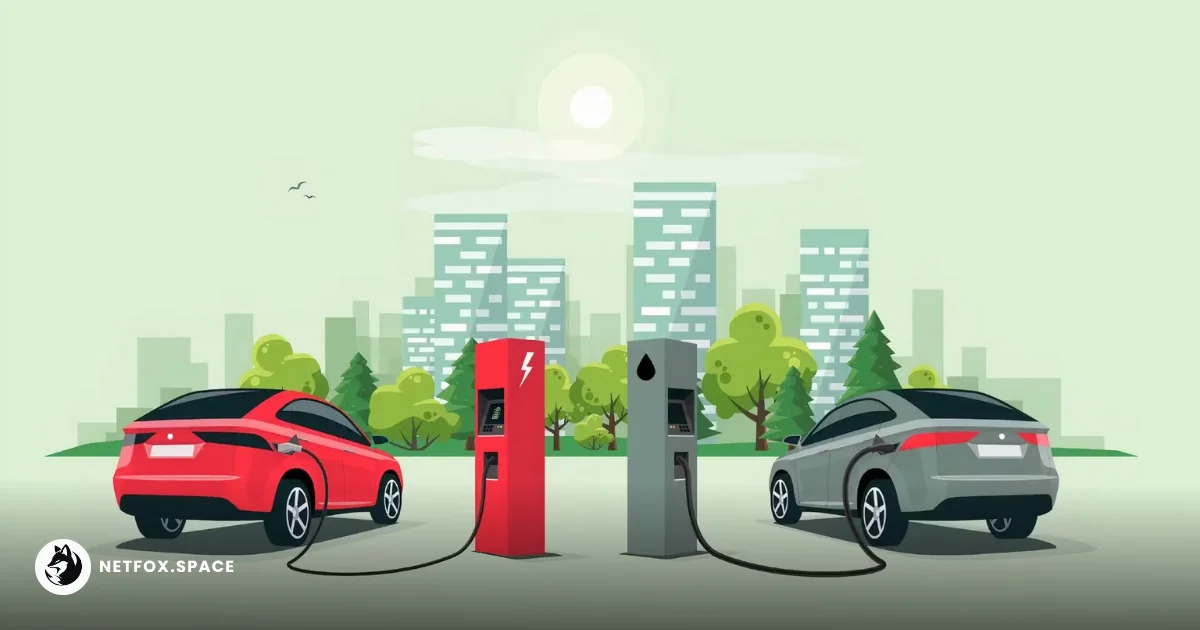
Standard hybrid vehicles have emerged as the most reliable powertrain option on the market, consistently outperforming both traditional gasoline cars and fully electric models in long-term durability assessments. While electric vehicles (EVs) offer fewer moving parts, recent data indicates that the maturity of hybrid technology and the integration of electric motors actually protect the longevity of the internal combustion engine.
Standard hybrids show a 26% lower failure rate than gasoline counterparts
Despite the intuitive assumption that adding more components—an electric motor and a battery—to a gasoline engine would increase the likelihood of failure, the opposite has proven true. According to recent reliability study data, standard hybrids experience 26% fewer problems than conventional internal combustion engine (ICE) vehicles.
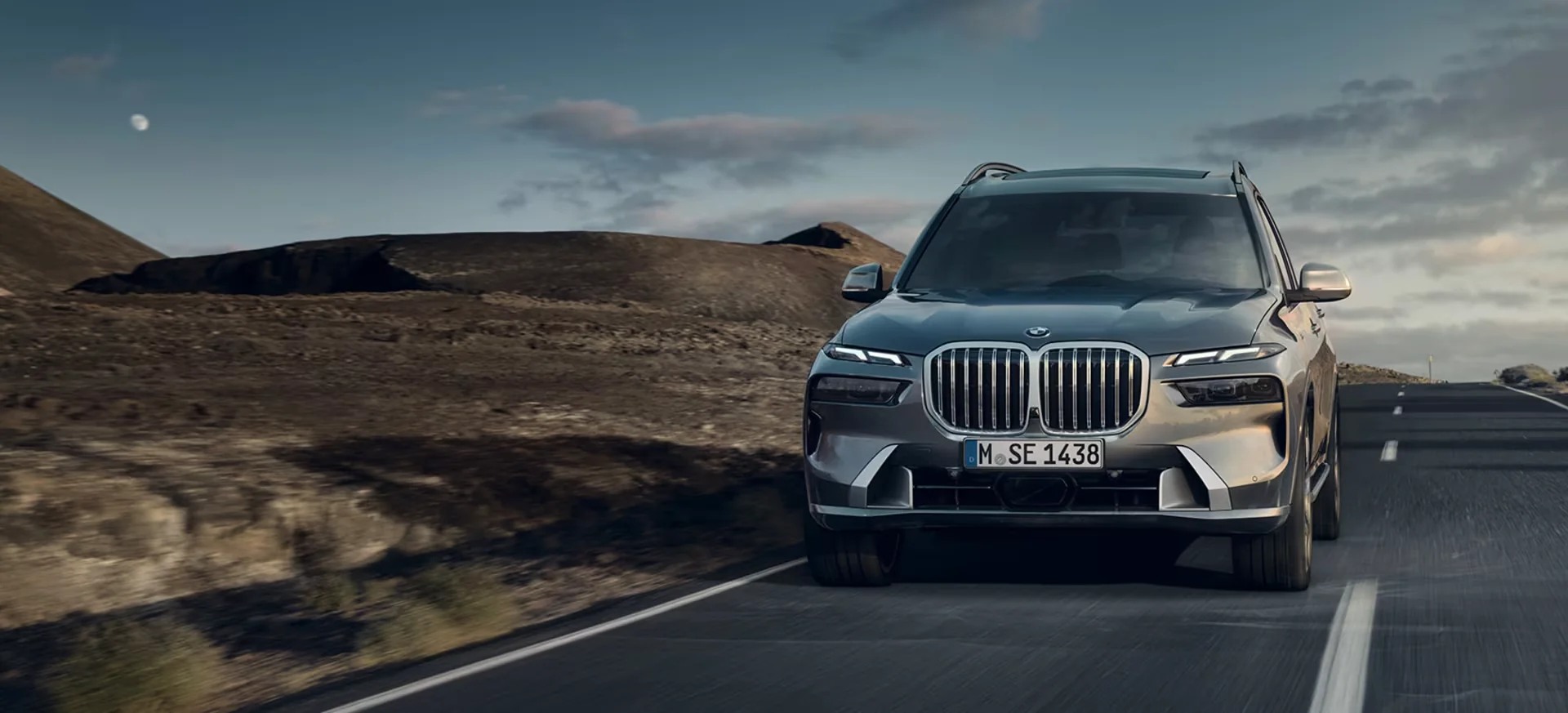 Positioned as BMW's top-of-the-line Sport Activity Vehicle (SAV), the new BMW X7 impresses with its elegance and exceptional off-road capabilities. The latest version of the BMW X7 features comprehensive redesigns, from the exterior and interior to the addition of many impressive driver assistance technologies.
This durability advantage is primarily attributed to the way hybrids manage mechanical stress. In a standard hybrid, the electric motor assists during high-load situations, such as initial acceleration from a standstill. This reduces the strain on the gasoline engine, which is typically the most vulnerable during these moments. Furthermore, many hybrid systems utilize power-split transmissions or e-CVTs that lack the complex clutches and hydraulic systems found in traditional automatic transmissions, removing common points of failure. As California gas price spikes drive more consumers toward efficient alternatives, the mechanical maturity of these systems has become a central selling point for long-term ownership.
Electric vehicles face persistent issues with charging and battery hardware
Fully electric vehicles are often marketed as having lower maintenance needs because they lack oil changes, spark plugs, and complex exhaust systems. However, industry-wide reliability rankings show that EVs currently have roughly 79% more problems than gasoline-powered cars.
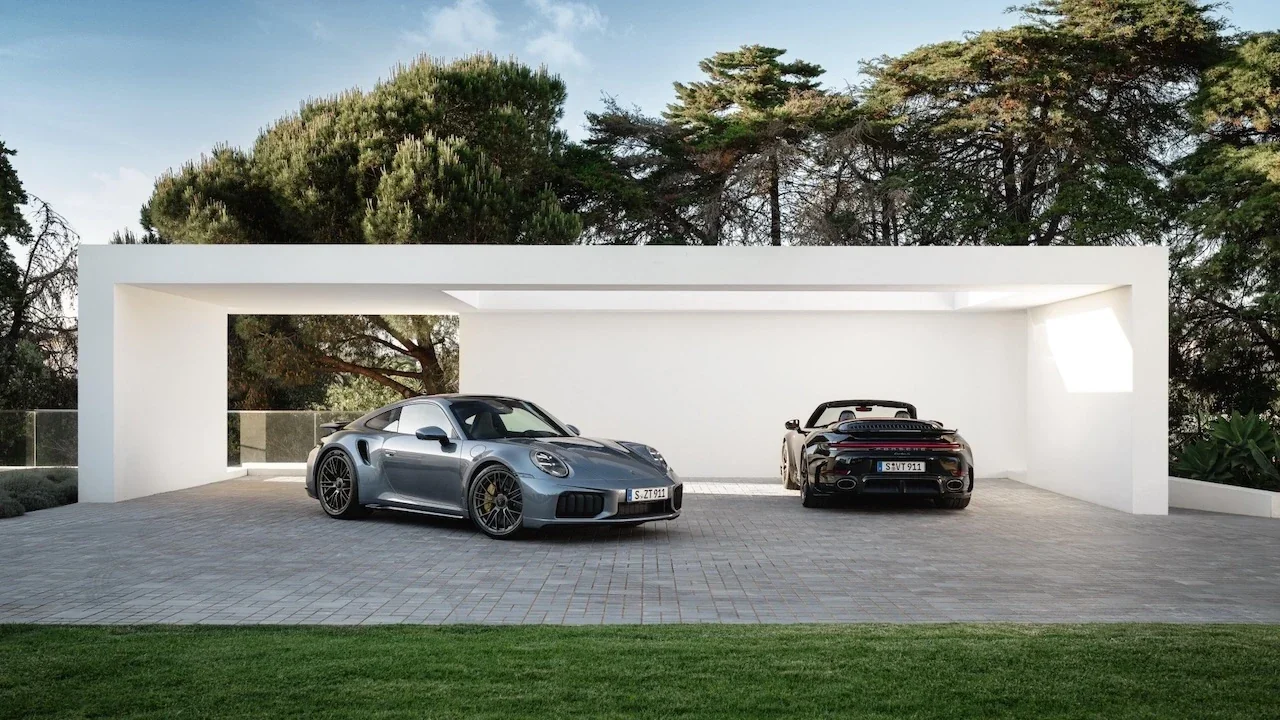 The Porsche 911 Turbo S electric car: a new era of speed and technology.
The issues cited in these reports are rarely related to the electric motors themselves, which are inherently durable. Instead, the problems cluster around the "peripheral" high-tech systems required to support the electric drivetrain. Owners frequently report failures in charging systems, battery cooling hardware, and the sophisticated infotainment screens that manufacturers often bundle with new EV models. While Porsche’s electrified sales growth suggests high consumer demand for these platforms, the underlying infrastructure of the vehicles—particularly among non-Tesla brands—is still navigating a steep learning curve in manufacturing consistency.
Plug-in hybrids represent the most complex and least reliable vehicle category
While standard hybrids lead the market in durability, plug-in hybrids (PHEVs) sit at the opposite end of the spectrum. Data suggests that PHEVs have 146% more problems than conventional gasoline cars. This discrepancy highlights a critical distinction in automotive engineering: the "complexity penalty."
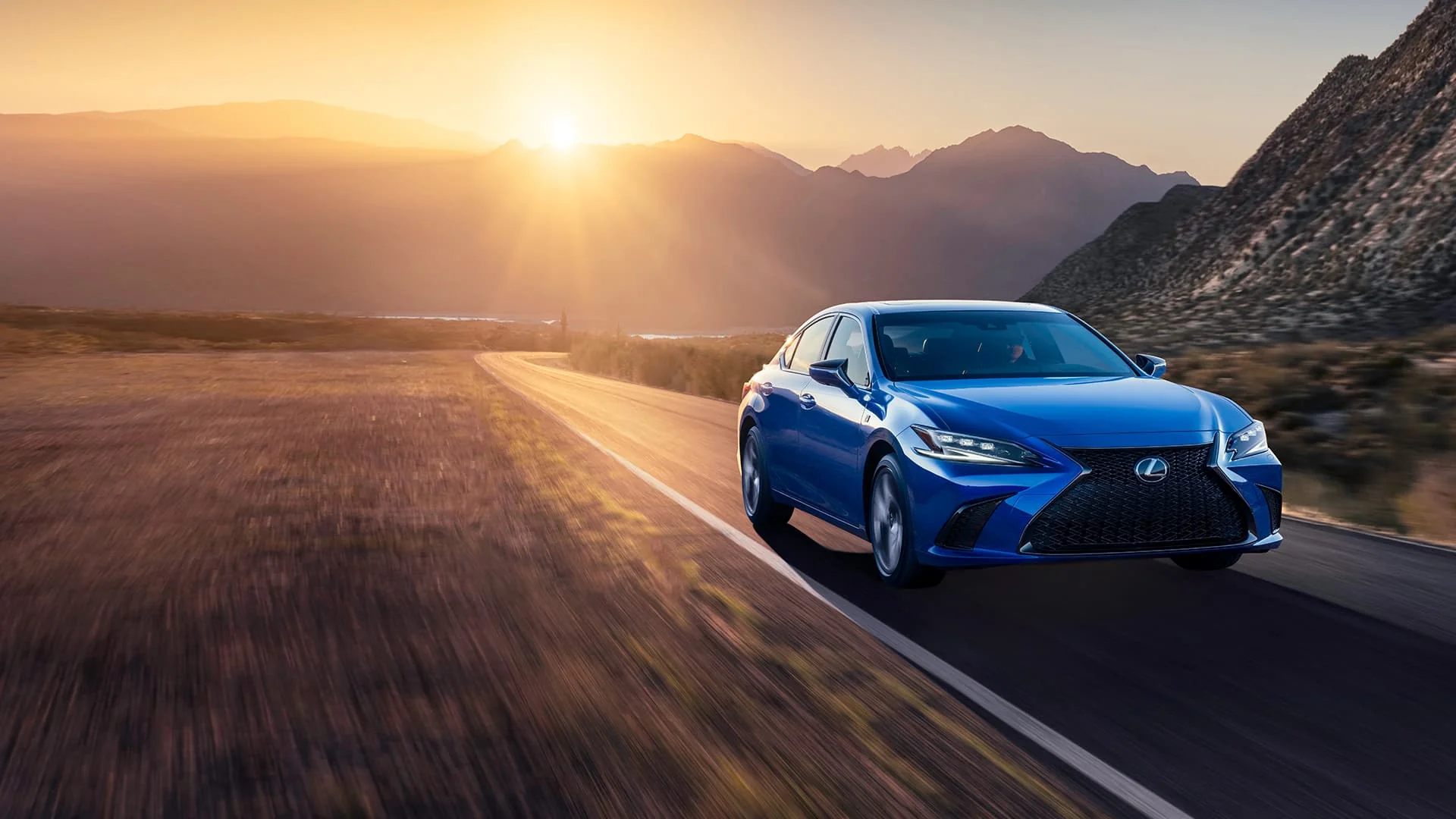 With two power sources, the Lexus Hybrid optimizes both performance and fuel efficiency. During driving, energy from the gasoline engine and electric motor is used flexibly or combined intelligently depending on specific conditions.
A PHEV requires a full-sized internal combustion engine, a complex transmission, a significantly larger battery than a standard hybrid, and the onboard charging hardware of an EV. This creates a high-density environment where multiple high-voltage and high-heat systems must coexist. The analysis of hybrid longevity suggests that whereas standard hybrids use electrification to simplify the engine's workload, PHEVs often struggle with the software and hardware handoffs between their dual power sources. For buyers prioritizing durability over the ability to drive short distances on pure electricity, the standard hybrid remains the more resilient choice.
Mature manufacturing remains the primary driver of vehicle longevity
The durability gap between these powertrains is often less about the inherent physics of the motor and more about the "age" of the manufacturing process. Gasoline engines and standard hybrids (like those from Toyota and Honda) have benefited from decades of incremental refinement. Manufacturers have had thirty years to identify and fix common failure points in hybrid transaxles and battery thermal management.
In contrast, many current EVs and PHEVs are "first-generation" architectures. They feature new chassis designs, new battery chemistries, and entirely new software stacks. Reliability experts note that as these platforms mature, the gap is likely to close. For now, however, the most durable vehicle is not the one with the fewest parts, but the one with the most proven parts. The current market data suggests that the "sweet spot" of automotive durability is the standard hybrid—a system that uses modern electrical efficiency to protect and extend the life of established mechanical hardware.
Comments (0)
Please login to comment
Sign in to share your thoughts and connect with the community
Loading...