
Anthropic Claude Design: Prototyping and Code Handoff Analysis

Anthropic Labs has introduced Claude Design, an experimental tool powered by the new Claude Opus 4.7 vision model that allows teams to generate and refine interactive UI/UX assets through natural language and direct manipulation. The release marks a significant move toward closing the "handoff gap" by allowing the AI to ingest existing codebases to maintain brand consistency automatically.
Integrating design systems directly from existing codebases
The most significant technical shift introduced with Claude Design is its ability to build a design system by scanning a team’s existing codebase. Unlike traditional AI design tools that generate generic layouts, this onboarding mechanism for brand consistency is designed to extract typography, color palettes, and component logic from production files.
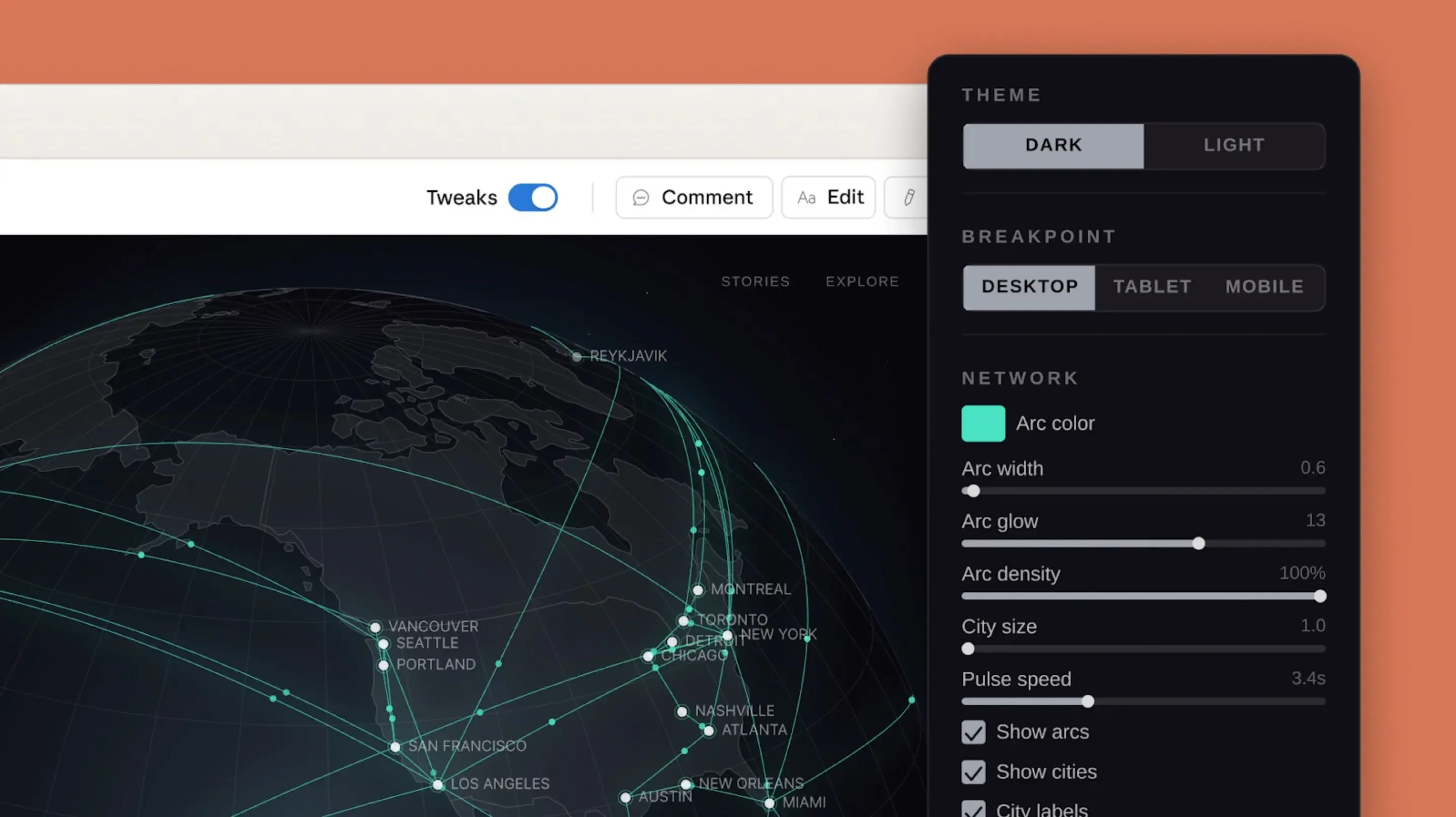 Claude Design's interface
For practitioners, this addresses the perennial "drift" between a Figma mockup and a live React or Tailwind implementation. By reading the actual code as the source of truth, the model attempts to ensure that the prototypes it generates are not just visually similar, but structurally compatible with the existing product. However, the efficacy of this feature will likely depend on the cleanliness of the underlying CSS or component architecture; messy or non-standard codebases may still require significant manual refinement during the system-building phase. This development aligns with Anthropic's broader enterprise push to move beyond conversational chat and into specialized, production-oriented environments.
Bridging the gap between prototyping and production code
The introduction of the "handoff bundle" represents an attempt to solve the friction between product managers and engineers. Traditionally, a wireframe requires a developer to interpret spacing, logic, and assets manually. According to the product announcement, Claude Design packages these elements into a bundle that can be passed directly to Claude Code.
This suggest a move toward an integrated software development lifecycle (SDLC) where the AI acts as the connective tissue between ideation and implementation. For product managers, the ability to "sketch" a feature flow that is already grounded in the company's design tokens allows for faster iteration without taxing the design team for every minor change. The constraint here remains the "frontier design" aspect; while the system supports shaders, 3D, and AI-powered prototypes, the translation of these complex elements into maintainable, performant production code remains a high-bar task that will require rigorous validation by senior engineers.
Opus 4.7 and the shift toward specialized vision workflows
Claude Design is the first major implementation of the Claude Opus 4.7 model, specifically optimized for vision and design tasks. While previous iterations of Claude could analyze images, Opus 4.7 appears to handle higher-fidelity spatial reasoning, allowing users to comment on specific pixels or use "custom sliders" to tweak layouts live.
This transition from a "prompt-and-result" model to a "continuous refinement" model is essential for creative work. Designers rarely get a layout right on the first try; they explore directions. By providing fine-grained controls like adjustment knobs, Anthropic is acknowledging that AI in the design space is most useful as a collaborative partner rather than a replacement. The model's ability to apply a single change—such as a spacing adjustment—across an entire project suggests a deeper understanding of hierarchical design structures than previous general-purpose models demonstrated.
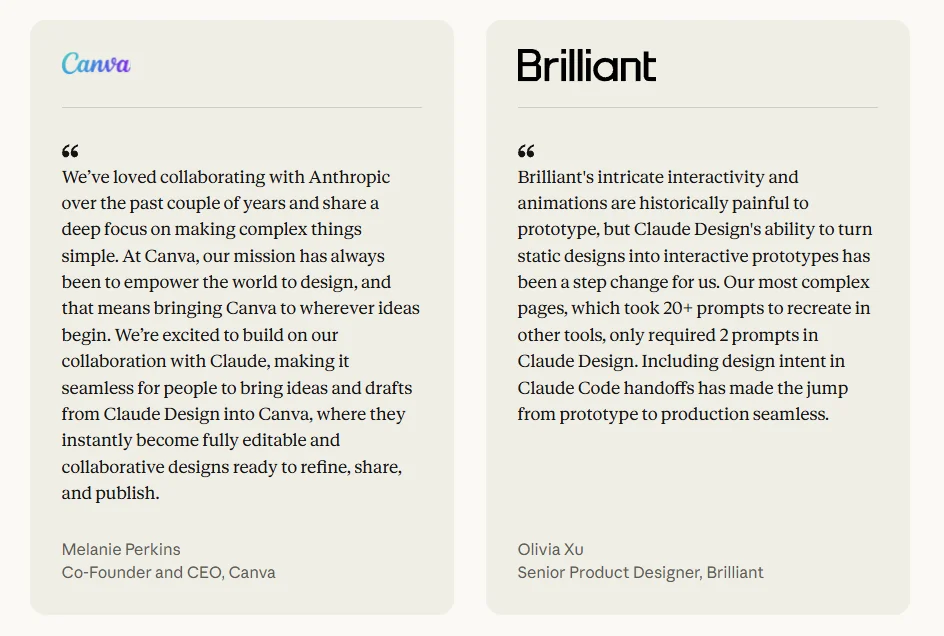 Testimonials from Canva and Brilliant leadership praising Anthropic’s new Claude Design and Claude Code features for streamlining design and production workflows
Managing the constraints of the research preview
Despite the broad feature set, Anthropic has labeled Claude Design as a "research preview" under the Anthropic Labs banner. This designation is crucial for users to understand; it implies that the tool is still subject to the "hallucinations" common in generative AI, particularly regarding complex interactive logic or edge-case UI behaviors.
Currently, the tool is available to Claude Pro, Max, Team, and Enterprise subscribers, with a gradual rollout. The export options—including PPTX, Canva, and standalone HTML—indicate a focus on immediate utility for non-technical stakeholders like founders and account executives. However, for engineering teams, the primary value will stay locked in the "handoff bundle" and the fidelity of the generated HTML/CSS. Until the tool moves out of the Labs phase, organizations will likely treat the output as high-fidelity wireframes rather than production-ready assets, maintaining a human-led "polish" phase to ensure accessibility and performance standards are met.
Comments (0)
Please login to comment
Sign in to share your thoughts and connect with the community
Loading...