
Importing the Vivo X300 Ultra: Costs, Specs, and Risks

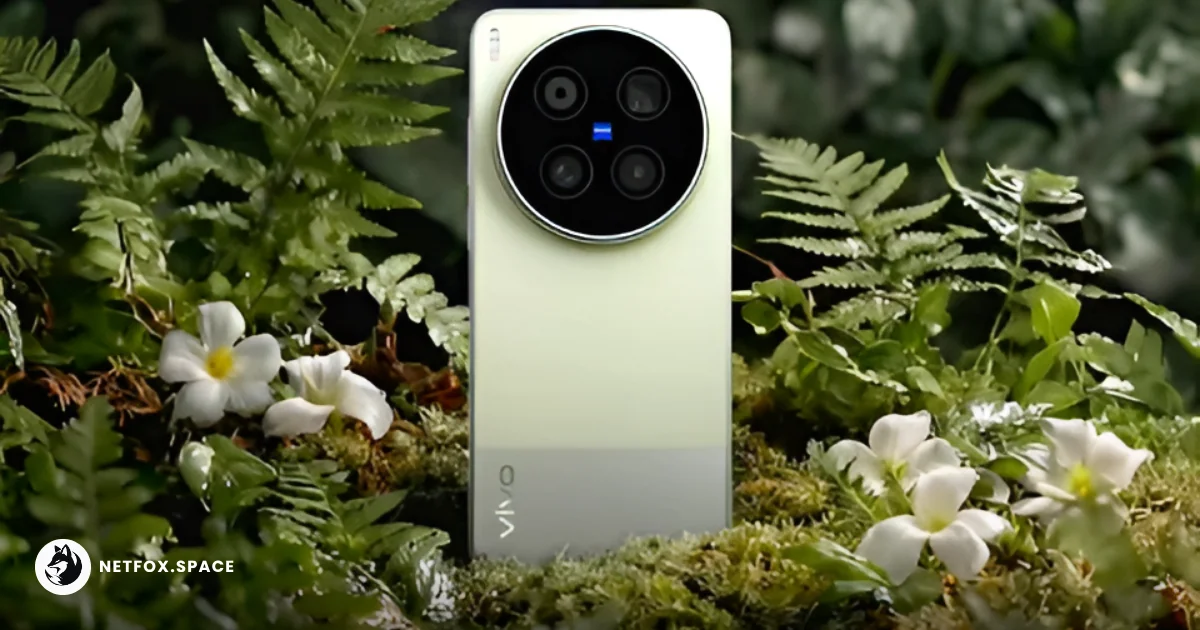
The Vivo X300 Ultra represents a peak in mobile imaging hardware, yet its China-exclusive launch has created a significant price gap for international enthusiasts willing to import. While the cost savings can approach 50% compared to equivalent global flagships, the decision involves navigating specific technical constraints and regional software limitations.
Hardware parity meets significant price divergence
The primary draw of the X300 Ultra is its uncompromising camera system, featuring a 200MP periscope telephoto lens and specialized Zeiss optics. In the Chinese market, this hardware is positioned aggressively, often retailing at roughly half the price of high-end flagships sold through official channels in Europe or North America. This pricing delta exists because of high local competition among Chinese flagship market leaders and the absence of the typical overhead costs associated with international distribution, patent licensing, and local marketing.
The technical package includes a 400mm-equivalent zoom capability, a result of Vivo's long-term partnership with Zeiss to reduce lens flare and improve micro-contrast. For buyers focused strictly on raw imaging performance, the details of the half-price import suggest that the hardware value remains unmatched by domestic alternatives. However, the hardware inside the box is only part of the operational reality of owning a region-locked device.
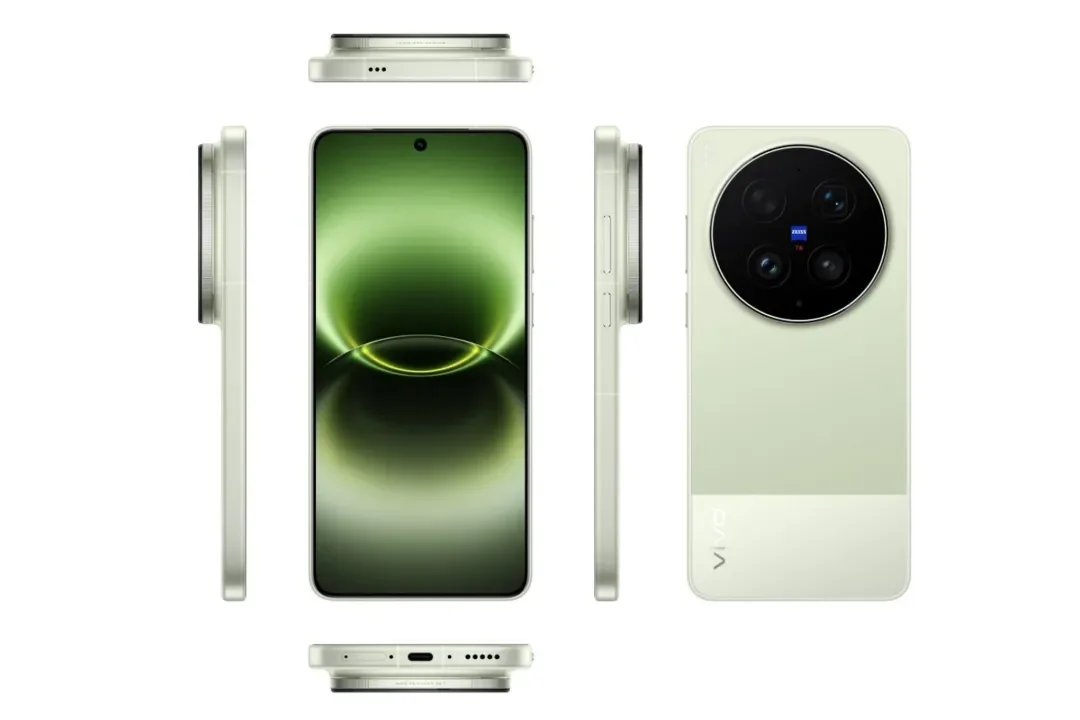 The camera module on the Vivo X300 Ultra (pictured) is certainly eye-catching. Image: Vivo
Network band compatibility remains the primary technical hurdle
The most critical limitation of the Chinese X300 Ultra is its modem configuration. Mobile networks globally operate on different frequency bands, and devices built for the Chinese domestic market often omit specific LTE and 5G bands used extensively in other regions. For instance, European users frequently rely on LTE Band 20 (800 MHz) for rural coverage, a band that is often missing from Chinese variants.
Before proceeding with an import, users must verify if their local carrier’s primary bands are supported. According to the flagship launch specifications, while the device supports a wide range of sub-6GHz 5G frequencies, the lack of certain low-band spectrum can lead to "dead zones" in areas where a local version of the phone would maintain a strong signal. This is not a software issue that can be patched; it is a hardware constraint of the RF front-end modules.
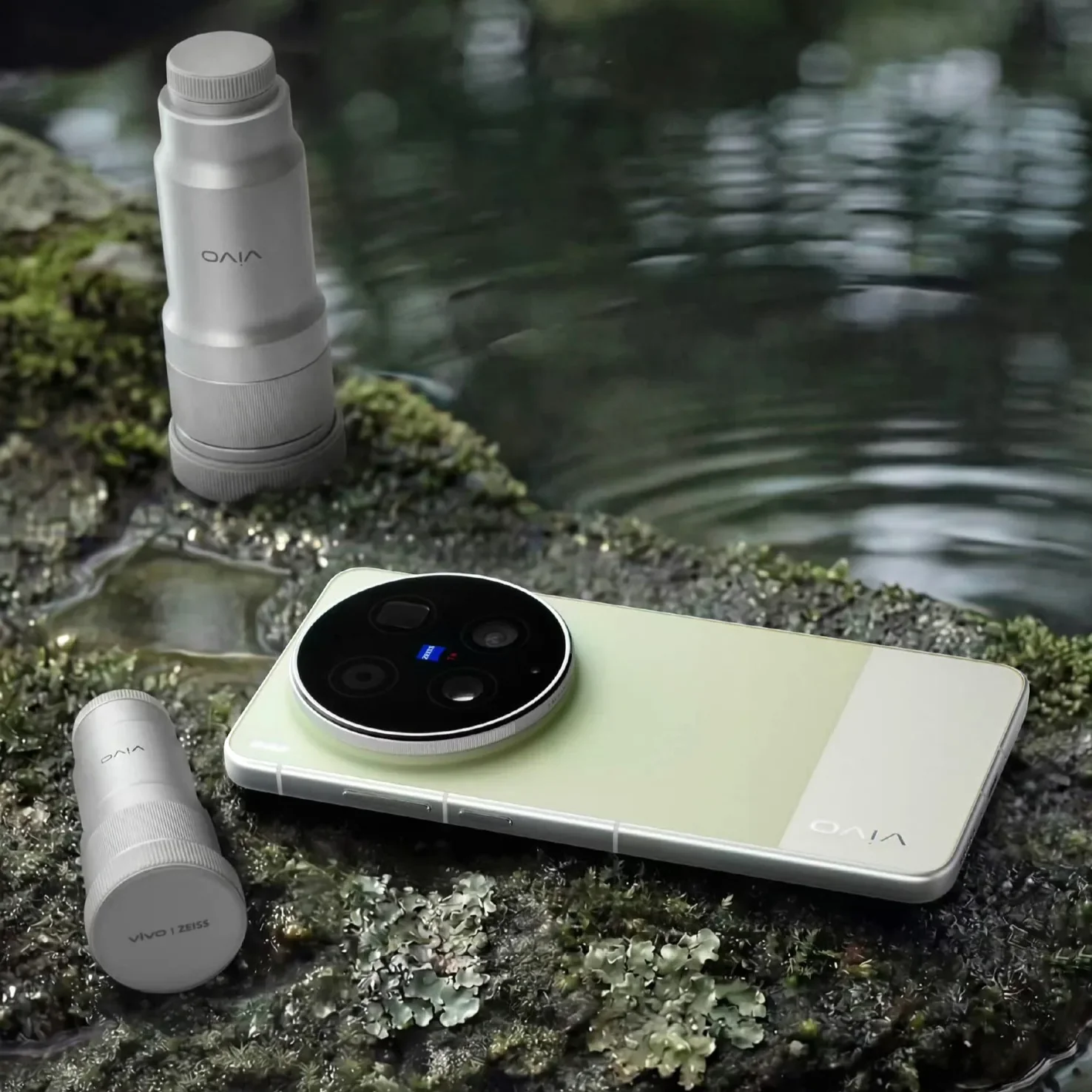 Image: Vivo
Software localization and Google Mobile Services constraints
The X300 Ultra ships with OriginOS, a version of Android tailored specifically for the Chinese market. While the hardware is capable, the software environment lacks the deep integration of Google Mobile Services (GMS) found in global models. Although users can typically sideload the Google Play Store and basic apps, several system-level limitations persist:
-
Android Auto: In many cases, Android Auto will not function because it requires deep system-level permissions that OriginOS does not grant to the sideloaded Google framework.
-
Notification Reliability: Chinese power management profiles are notoriously aggressive, often killing background processes for apps like WhatsApp or Gmail, leading to delayed or missed notifications.
-
Nearby Share and Location History: Features that rely on Google’s proprietary location backend may be inconsistent or entirely non-functional.
These constraints mean that while the flagship specifications are elite, the user experience may feel "friction-heavy" for those accustomed to the seamless integration of global Android builds.
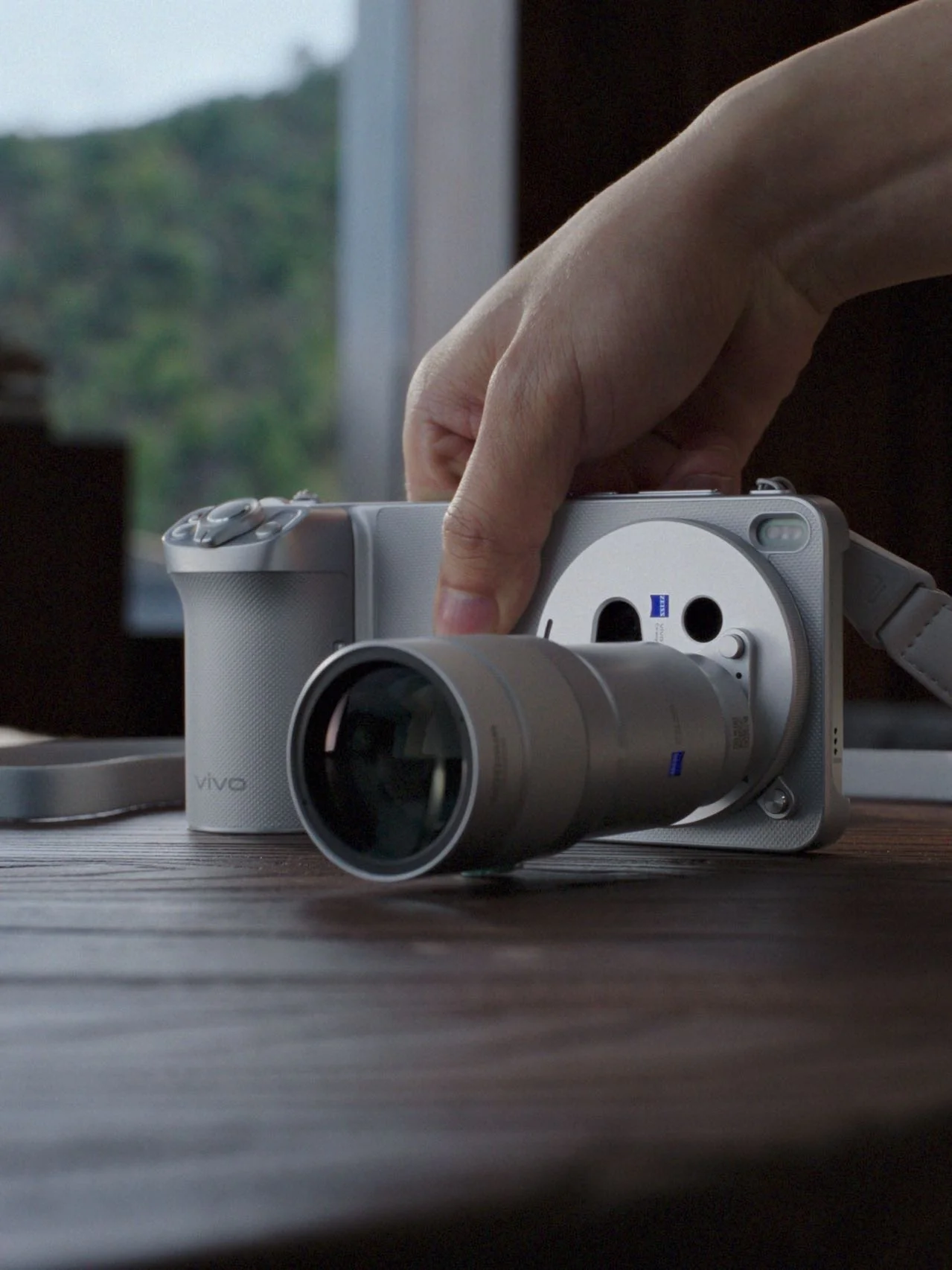 The most groundbreaking highlight in this close-up review of the vivo X300 Ultra is its photography system.
Warranty and logistics risks for international buyers
Importing a device through third-party retailers removes the safety net of local consumer protection laws. If the X300 Ultra develops a hardware fault, such as a display defect or a motherboard failure, the manufacturer's warranty is generally only valid within mainland China. Repairing the device locally is often impossible because authorized service centers do not stock parts for models they do not officially sell.
Furthermore, the initial 50% savings can be eroded by import duties and international shipping insurance. Potential buyers should calculate the "landed cost"—the total price including taxes and fees—to determine if the reported cost-benefit still holds. For mobile photographers who prioritize hardware above all else, the trade-off may be acceptable, but for the average user, the technical and logistical hurdles remain a significant barrier to entry.
Comments (0)
Please login to comment
Sign in to share your thoughts and connect with the community
Loading...