
Vivo X300 Ultra 200MP Camera: 400mm ZEISS Zoom Unveiled

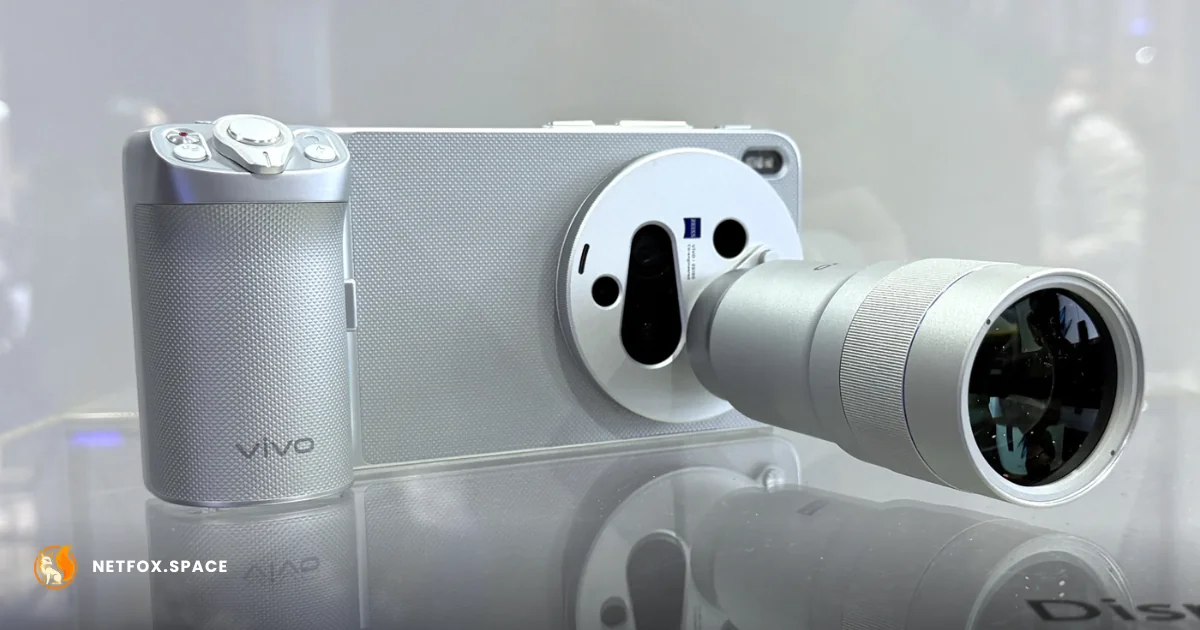
MWC 2026: The "Thanos" of Camera Phones Breaks Cover
At the Mobile World Congress 2026 in Barcelona, Vivo officially showcased the X300 Ultra, a device internally codenamed "Thanos" due to its aggressive pursuit of imaging supremacy. Scheduled for a China launch in late March with a global rollout expected by May, the X300 Ultra is the first smartphone to implement a dual 200MP sensor array. The device is powered by the Qualcomm Snapdragon 8 Elite Gen 5, distinguishing it from the MediaTek-powered Pro and Standard variants.
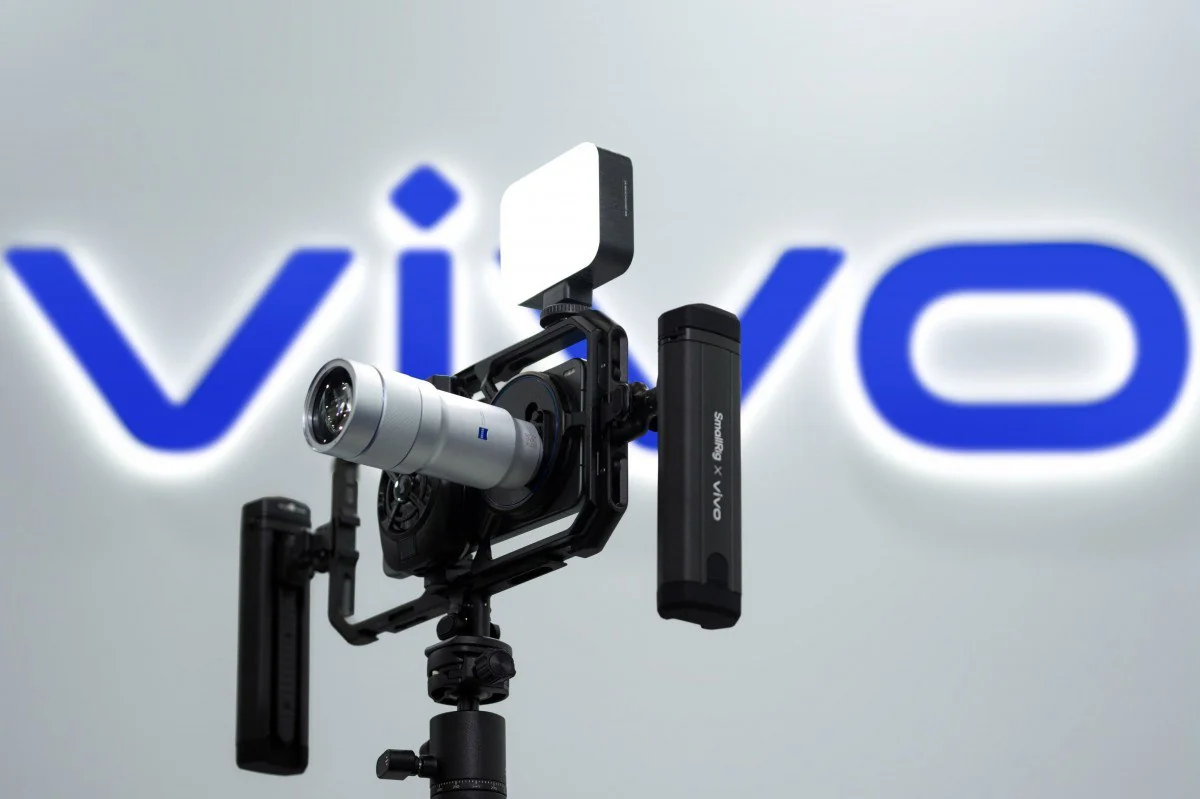
Beyond the internal silicon, the hardware’s physical profile is dominated by a massive circular camera module designed to interface with a new ZEISS Telephoto Extender Gen 2 Ultra. This accessory, a 400mm equivalent teleconverter, allows the device to reach an optical-grade zoom range previously reserved for dedicated sports and wildlife photography rigs.
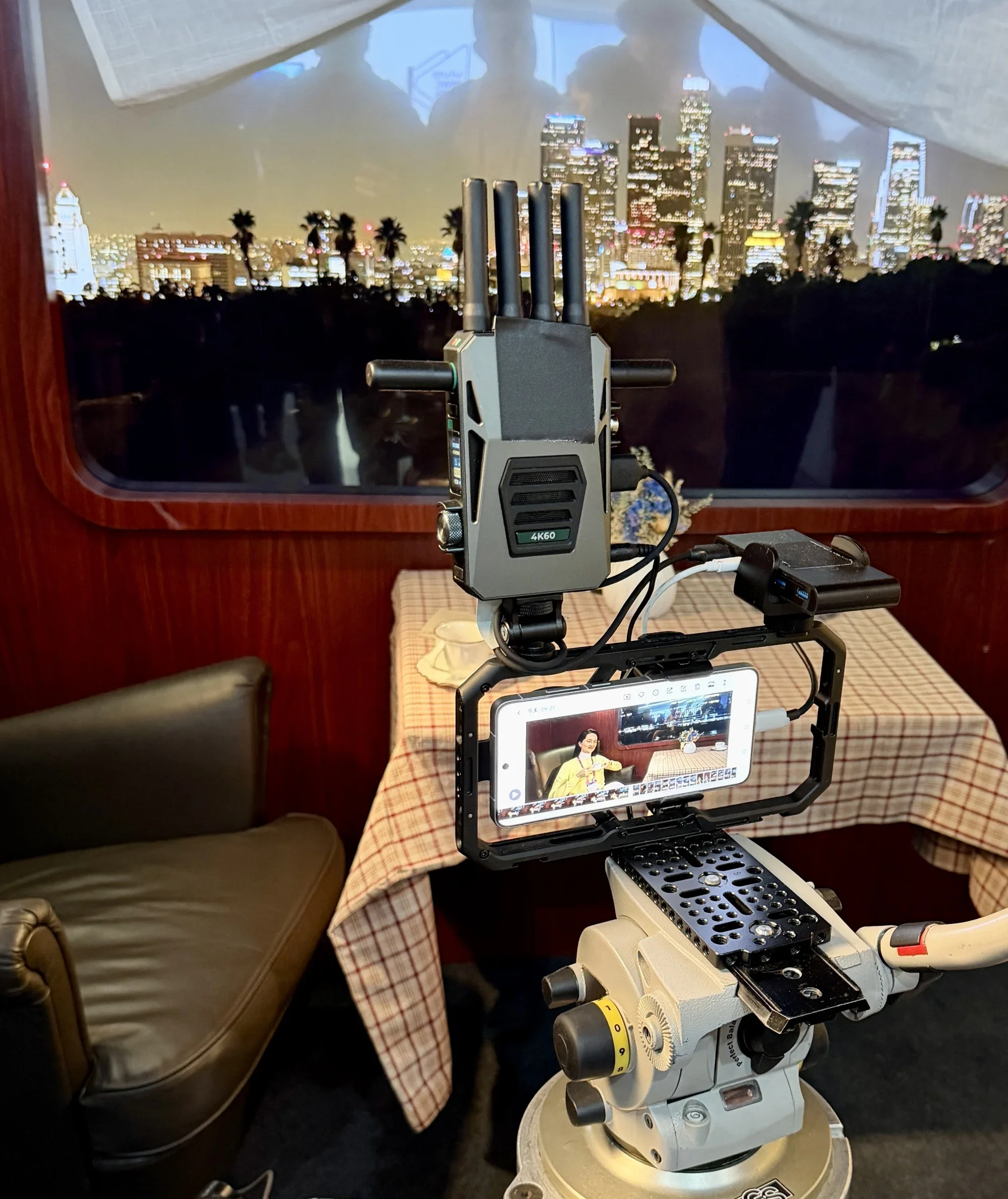 The studio is tiny, but the results are pretty great. Credit: Stan Schroeder/Mashable
Stabilizing the 200MP Frontier: CIPA 7.0 and Gimbal Tech
The immediate impact of the X300 Ultra lies in its solution to the "shaky zoom" problem inherent in high-resolution telephoto lenses. The device debuts a 200MP Samsung ISOCELL HP0 periscope telephoto lens featuring a micro-gimbal stabilization system with a 3° correction angle—2.5 times wider than the industry average. This achieves a CIPA 7.0 rating, a professional-grade standard that ensures handheld steadiness even at extreme focal lengths.
For the tech enthusiast market, this stabilization isn't just about sharp photos; it enables "Stage Mode 2.0," capable of recording 4K video at 120fps with Dolby Vision across all focal lengths. By solving for motion blur at a hardware level, Vivo is positioning the Ultra as a viable tool for professional content creators who require "run-and-gun" capability without the bulk of external gimbals.
 Vivo X300 Ultra device will have an upgraded 200MP main camera, using Sony LYT901 sensor
The Optics-First Pivot: Why 35mm Changes the Narrative
While competitors have long favored a 24mm or 26mm "wide" main lens, Vivo has pivoted the X300 Ultra to a 35mm primary focal length using the Sony LYTIA 901 (1/1.12-inch sensor). This is a strategic move that favors "documentary-style" photography over typical smartphone distortion. The 35mm perspective offers a 63° field of view, which is closer to the human eye’s natural focus and is widely considered the "golden focal length" for street and portrait photography.
This shift suggests that Vivo is no longer competing on "wide-angle" vanity shots but is instead targeting the professional aesthetic. By pairing this larger-than-usual sensor with a 1G+6P lens structure (one glass element and six plastic elements), the X300 Ultra reduces veiling flare and ghosting by 30%. This "optics-first" approach acknowledges a technical truth others skip: megapixel counts are meaningless if the light entering the sensor is degraded by poor lens coatings.
 The super product Vivo X300 Ultra with a majestic rear camera system was officially displayed at the MWC 2026 Global Mobile Exhibition.
Flagship Imaging Comparison: The 2026 Ultra Race
| Feature | Vivo X300 Ultra | Samsung Galaxy S26 Ultra | Xiaomi 17 Ultra |
|---|---|---|---|
| Main Sensor | 200MP Sony LYT-901 (35mm) | 200MP ISOCELL (24mm) | 50MP 1-inch (23mm) |
| Telephoto 1 | 200MP Periscope (85mm) | 50MP Periscope (5x) | 50MP Periscope (120mm) |
| Stabilization | CIPA 7.0 (Gimbal) | CIPA 5.0 (OIS) | CIPA 5.5 (OIS) |
| Special Accessory | 400mm ZEISS Extender | N/A | Variable Aperture Kit |
| Processor | Snapdragon 8 Elite Gen 5 | Snapdragon 8 Elite Gen 5 | Snapdragon 8 Elite Gen 5 |
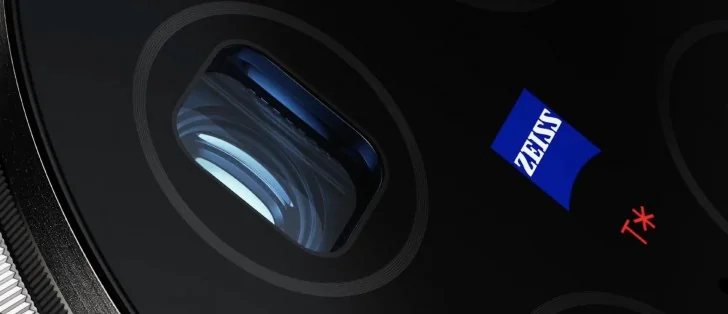 BlueImage will tackles common photography woes like taking photos with the light behind your subject, low-light imaging, including when using the telephoto lens, group shots and more.
The Silicon Ecosystem: V3+ and BlueImage Architecture
The systemic implication of the X300 Ultra is its reliance on a triple-chip architecture. While the Snapdragon handles general compute, Vivo’s proprietary V3+ and VS1 imaging chips manage the heavy lifting of real-time 4K Log video and computational HDR. This "BlueImage" ecosystem represents the company’s final divorce from off-the-shelf image processing units.
The V3+ chip specifically enables a "Blueprint high-refresh focus tracking engine," which allows the camera to maintain focus on fast-moving subjects at 60fps. For the biotech or professional sports sectors, this level of on-device tracking allows for high-fidelity data capture in the palm of a hand. Furthermore, the integration of a 7,000mAh silicon-carbon battery ensures that the high power draw of these three processors doesn't truncate the shooting day.
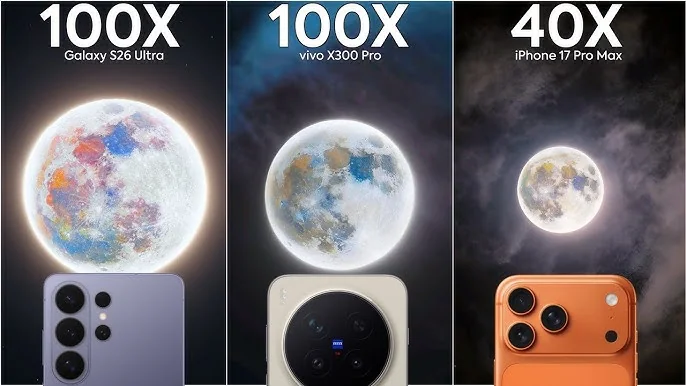 Samsung Galaxy S26 Ultra vs Vivo X300 Pro vs iPhone 17 Pro Max Live Zoom Test Comparison
Global Logistics and the BeiDou Satellite Edition
Looking ahead, Vivo is diversifying the Ultra into two distinct hardware SKUs: the standard V2547A and the BeiDou Satellite Edition (V2547DA). The latter offers two-way satellite messaging and emergency location sharing, directly competing with the Apple iPhone emergency features.
The global launch in April or May is expected to bring the X300 Ultra to India and Southeast Asia as the first "Ultra" branded device from Vivo to be commercially available outside of China. This marks a significant shift in the consumer electronics sector, as Chinese manufacturers begin to export their most premium, uncompromised hardware to compete directly with Samsung's global market share.
The professionalization of the smartphone has reached a critical juncture; as the X300 Ultra bridges the gap with a 400mm optical extender, the traditional camera industry faces a "Suez moment" where the convenience of the phone finally intersects with the uncompromising reach of the DSLR.
Comments (0)
Please login to comment
Sign in to share your thoughts and connect with the community
Loading...