
2027 Porsche 911 GT3 S/C: Specs, Weight, and Analysis

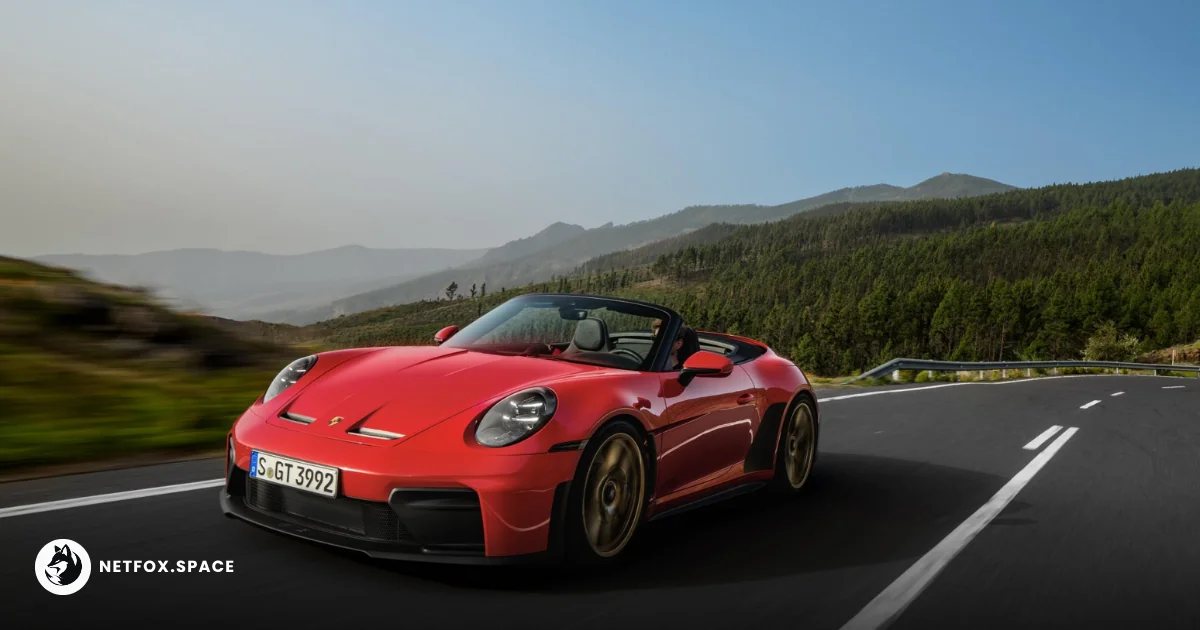
Porsche has expanded its GT portfolio with the introduction of the 911 GT3 S/C, an open-top model that integrates the high-revving mechanicals of the GT3 with the lightweight philosophy of the 911 S/T. Unlike its predecessors in the open-top GT space, such as the limited-run 911 Speedster, the GT3 S/C is positioned as a standard production model, signifying a strategic shift in how the manufacturer distributes its most enthusiast-focused hardware.
Magnesium roof architecture preserves the characteristic 911 silhouette
The defining technical achievement of the 911 GT3 S/C is the implementation of a fully automatic convertible roof that avoids the traditional "ballooning" effect at high speeds. This is achieved through the use of innovative magnesium ribs that provide a rigid internal structure. When closed, the roof maintains a "flyline" nearly identical to the fixed-head coupé, a design choice that carries both aesthetic and aerodynamic benefits.
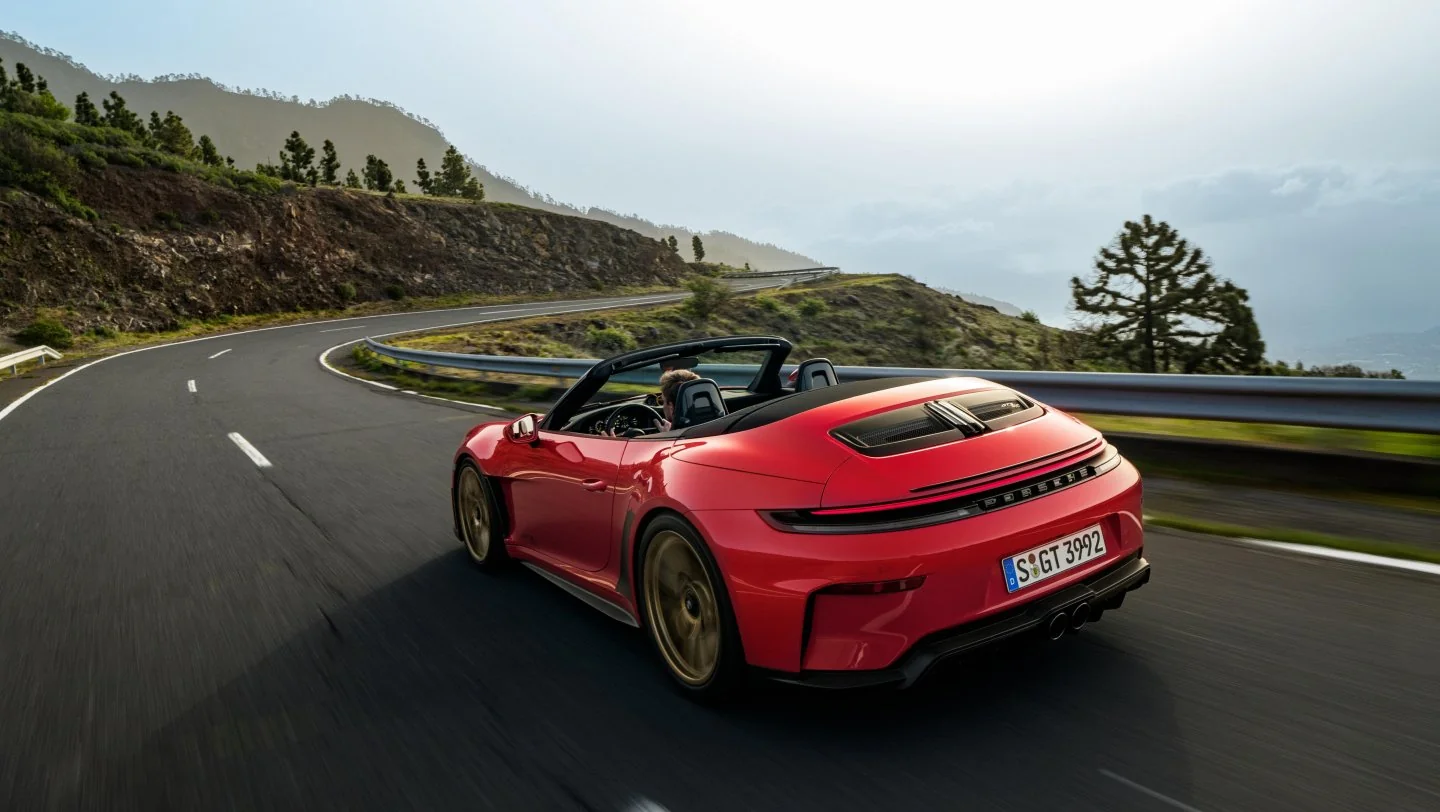 911 GT3 available with a fully automatic convertible roof for the first time
The integration of hydraulic actuators allows the roof to cycle in approximately 12 seconds at speeds up to 50 km/h. To manage cabin turbulence—a critical factor for a vehicle capable of 313 km/h—Porsche included an electrically operated wind deflector that can be deployed in two seconds. By using magnesium for the front roof frame and rear window frame, the engineering team has minimized the center of gravity shift typically associated with open-top conversions. This hardware choice reflects a broader focus on gas car reliability and mechanical longevity in high-performance applications.
Lightweight engineering offsets the weight penalty of convertible hydraulics
Converting a GT3 into a cabriolet traditionally introduces significant weight through chassis bracing and roof motors. Porsche has countered this by adopting the lightweight component package from the limited 911 S/T. The bonnet, front wings, and doors are constructed from carbon fiber-reinforced plastic (CFRP). Additionally, the use of magnesium forged wheels reduces rotating mass by approximately nine kilograms.
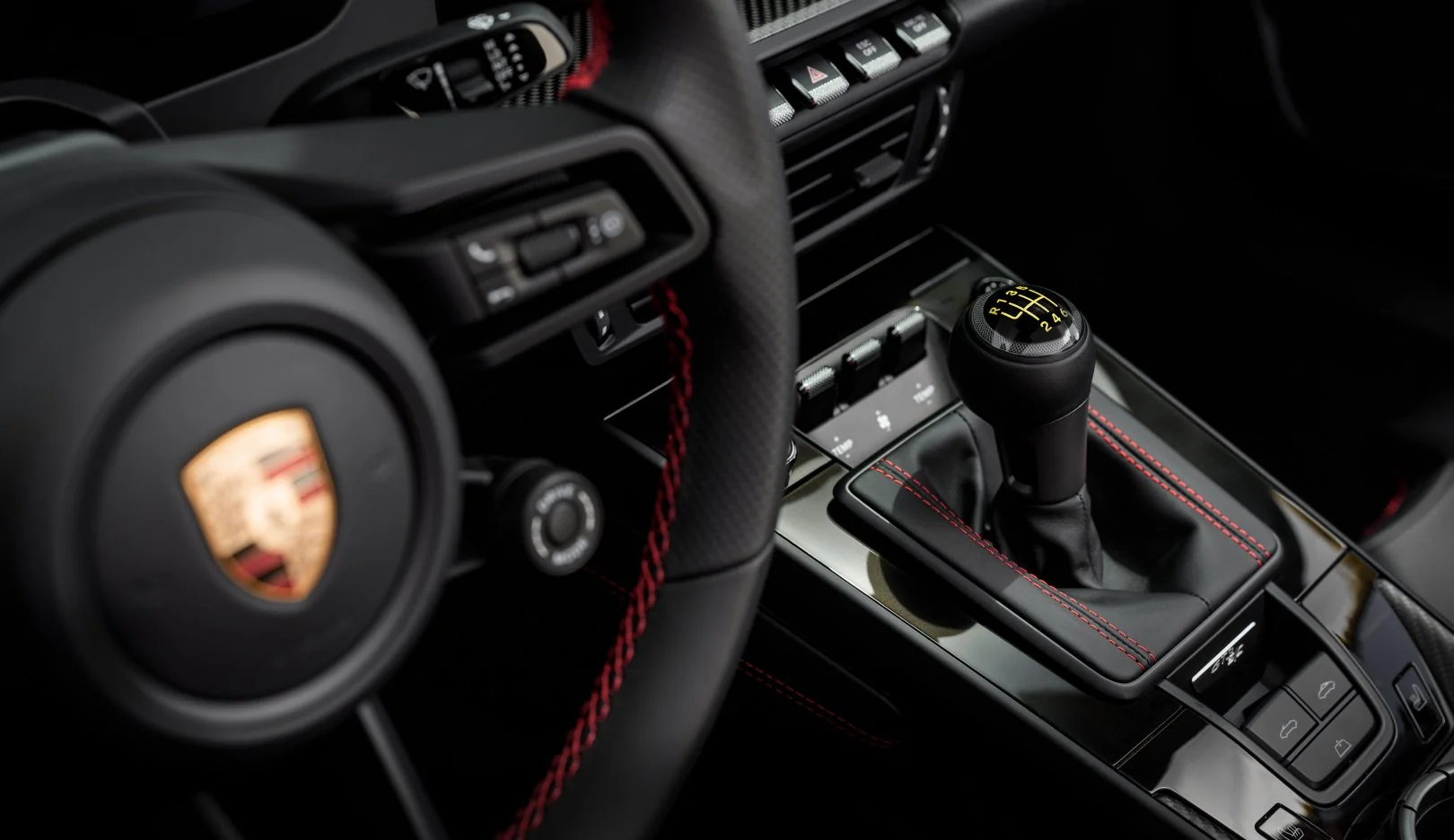 911 GT3 S/C (WLTP, preliminary values)*: Fuel consumption combined: 13.8 – 13.7 l/100 km; CO₂ emissions combined: 312 – 310 g/km; CO₂ class: G
The result is a curb weight of 1,497 kilograms. While this is roughly 30 kg heavier than the previous 991-generation Speedster, the GT3 S/C includes a fully automatic roof mechanism whereas the Speedster utilized a manual system. Standard equipment also includes Porsche Ceramic Composite Brakes (PCCB), which save 20 kg over cast-iron alternatives, and a compact 40 Ah lithium-ion starter battery. For practitioners, the emphasis on unsprung mass reduction—via the magnesium wheels and ceramic brakes—is intended to preserve the steering precision of the double-wishbone front axle, even with the added mass of the convertible top.
Short-ratio manual transmission reinforces driver-centric positioning
In an era where many performance manufacturers are moving exclusively toward dual-clutch or automatic systems, the 911 GT3 S/C is available exclusively with a six-speed manual sports transmission. This unit features a short final-drive ratio, shared with the 911 S/T, to optimize acceleration in the 4.0-liter boxer engine’s power band. The reported performance metrics indicate a 0-100 km/h sprint of 3.9 seconds.
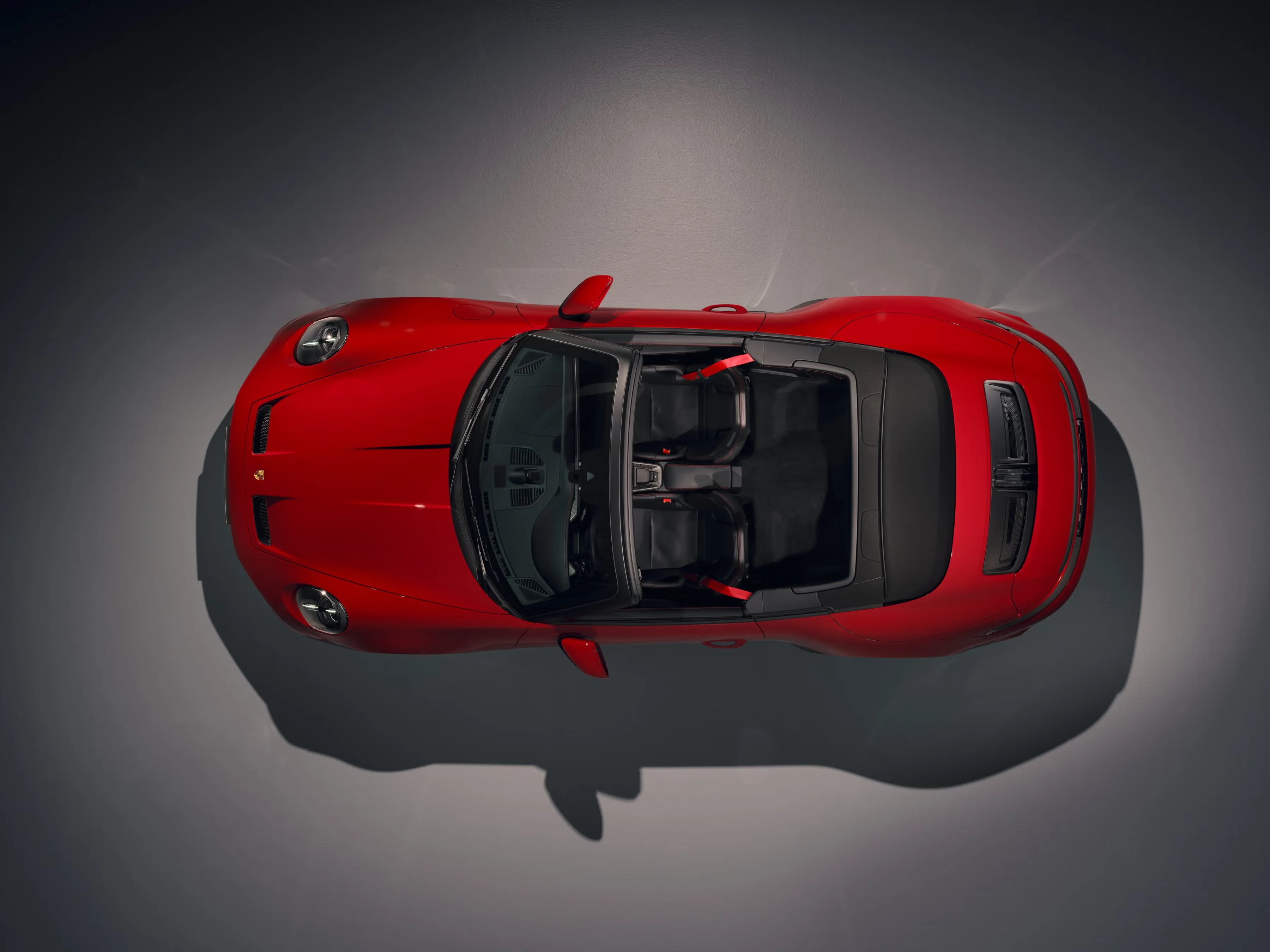 Unlike the GT3 and the GT3 Touring, which are offered with either manual or automatic transmissions, the S/C comes exclusively with Porsche's six-speed GT Sport manual transmission.
The 4.0-liter naturally aspirated engine has been revised to meet current emissions standards without sacrificing its 9,000-rpm redline. This involved the installation of two particulate filters and four catalytic converters. To maintain power delivery at high revs despite the increased backpressure of the exhaust system, Porsche utilized revised cylinder heads and camshafts derived from the 911 GT3 RS. This mechanical adjustment ensures that the engine produces 375 kW (510 PS) while offering more responsive throttle input in the upper registers of the tachometer.
Porsche transitions collector-tier technology into series production
The decision to make the GT3 S/C a non-limited model suggests a tactical adjustment in Porsche’s business strategy. Historically, combinations of the GT3 engine, manual gearbox, and open-top bodies were reserved for numbered, limited-edition collector cars like the 2019 Speedster. By offering this configuration as a series-production vehicle, Porsche is addressing a high-demand niche without the artificial scarcity of a limited run.
This shift comes even as Porsche’s electrified sales have begun to dominate its European volume. The GT3 S/C acts as a mechanical counterpoint to that trend, leveraging high-margin, enthusiast-targeted hardware to maintain brand prestige. The inclusion of the "Street Style Package"—which features braided leather and open-pore wood—further positions the S/C as a luxury-oriented "driver's car" rather than a track-focused instrument like the GT3 RS.
The 911 GT3 S/C effectively serves as a translational model, taking the hardcore engineering solutions developed for low-volume specials and applying them to a vehicle accessible to a broader, albeit still exclusive, customer base. While it lacks the "double-bubble" rear deck of the Speedster, its technical sophistication in roof mechanics and weight management establishes a new benchmark for open-top performance in the 911 range.
Comments (0)
Please login to comment
Sign in to share your thoughts and connect with the community
Loading...