
DJI Osmo Pocket 4 Specs: 4K/240p and Improved Dynamic Range

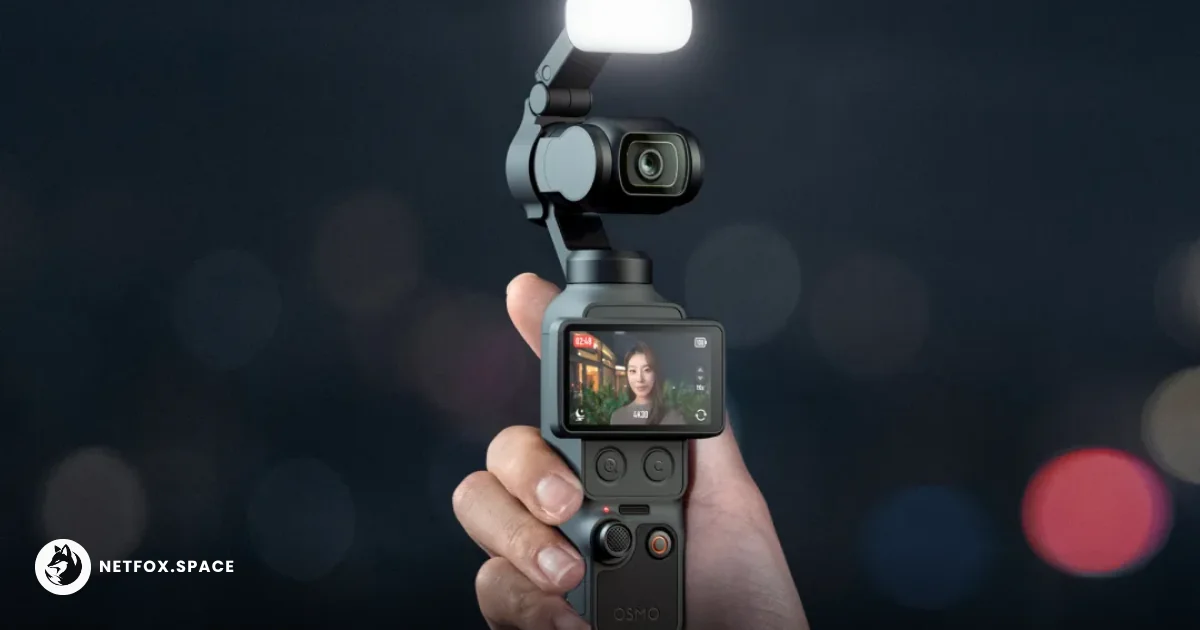
DJI has officially updated its stabilized handheld line with the Osmo Pocket 4, introducing 4K recording at 240 frames per second and significant improvements to sensor-level dynamic range. The new hardware focuses on high-speed data throughput and low-light fidelity, targeting professional creators who require b-roll versatility in a pocketable form factor.
4K/240p recording demands higher throughput and thermal efficiency
The headline technical shift in the Osmo Pocket 4 is the jump to 4K resolution at 240fps, a doubling of the previous generation's high-speed capabilities. For practitioners, this move allows for 8x slow-motion playback when conformed to a standard 30fps timeline.
Moving this volume of data approximately 400Mbps through such a small chassis presents significant engineering challenges. While the camera's stabilized gimbal remains compact, the internal processor must handle massive heat generation during high-frame-rate capture. Users should expect record-time limits in 240p mode, especially in high-ambient-temperature environments, as the passive cooling in the Pocket series historically prioritizes size over sustained high-bitrate performance.
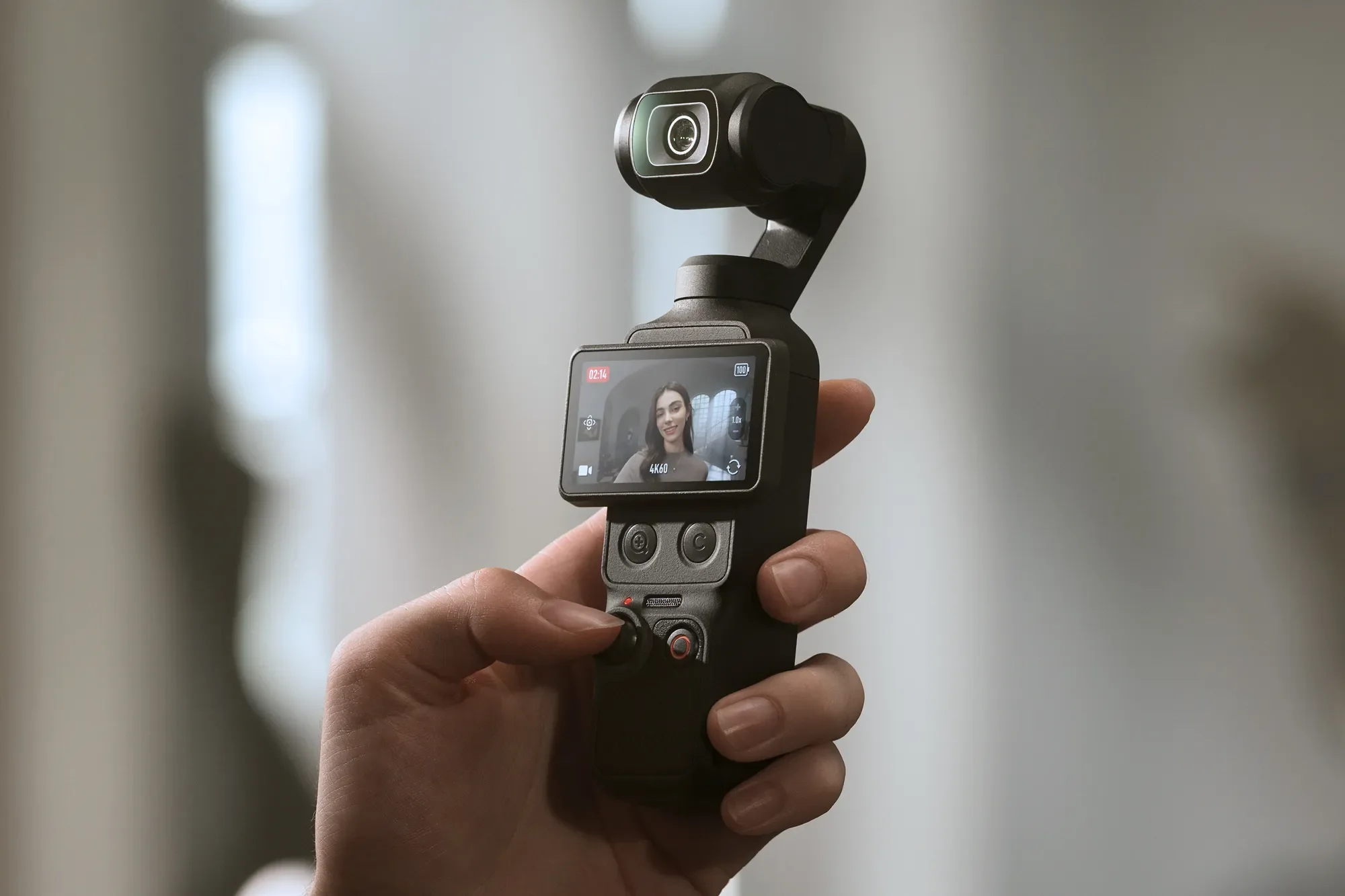 An upgraded joystick offers more functionality including moving and flipping the camera around. Image: DJI
Enhanced dynamic range targets difficult lighting transitions
DJI has optimized the 1-inch CMOS sensor to deliver broader dynamic range and improved still-photo resolution. This update appears aimed at solving the "blown-out sky" problem common in vlogging where the subject is in shadow while the background is brightly lit.
By utilizing an improved 10-bit D-Log M color profile, the hardware preserves more detail in the highlights and shadows. However, it is important to note that "improved dynamic range" on a 1-inch sensor is often achieved through software-side noise reduction and smarter gain staging rather than a fundamental change in photosite size. Practitioners will likely find the most value in the camera's ability to maintain skin tones during rapid transitions between indoor and outdoor lighting.
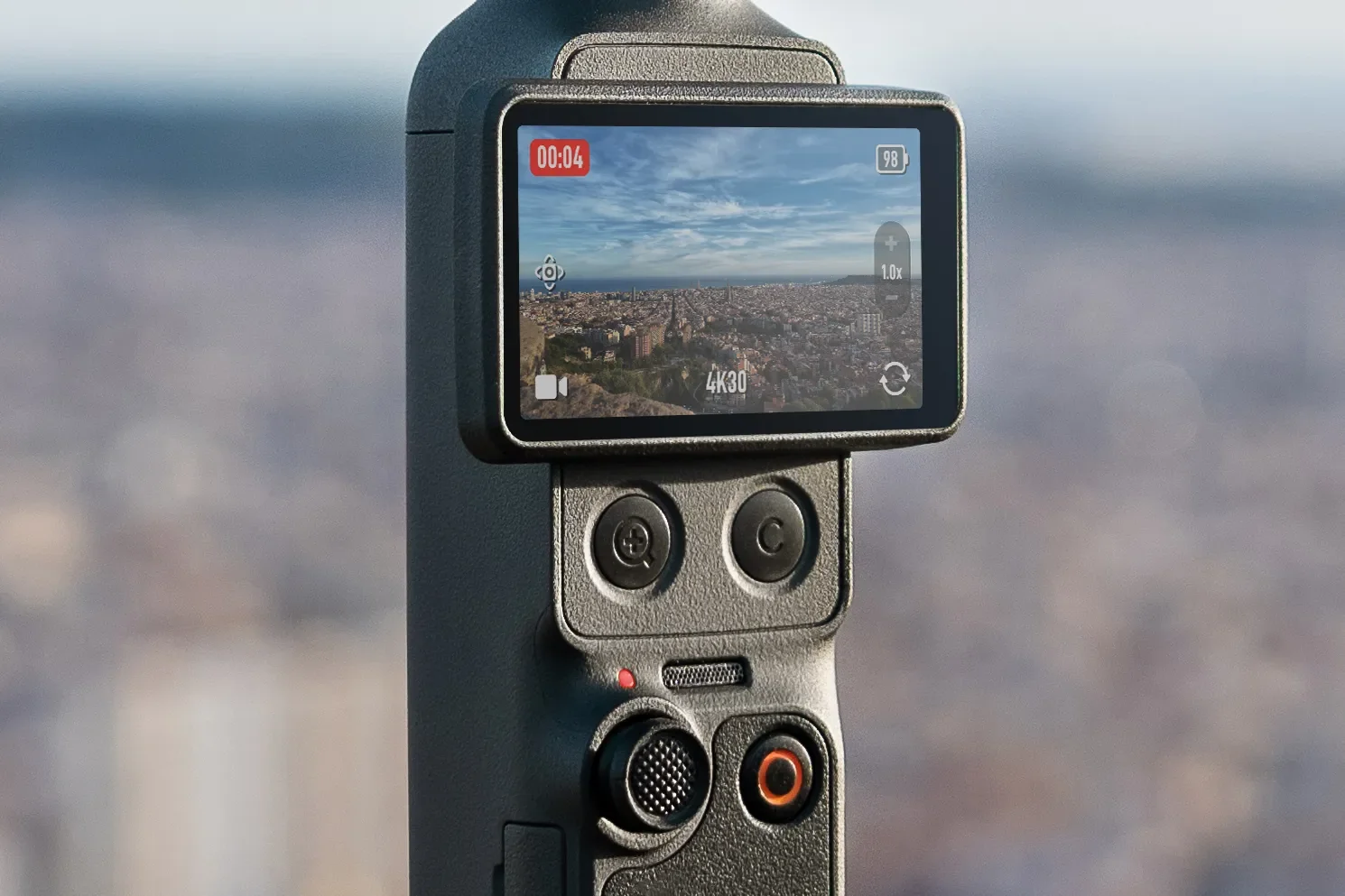 Beneath the Osmo Pocket 4’s rotating screen are two new buttons for zooming or accessing customized settings. Image: DJI
Practical implications for storage and workflow
The move to higher frame rates and better photo resolution necessitates a shift in the user's secondary hardware. Standard UHS-I microSD cards will likely struggle with the burst speeds required for 4K/240p and high-res RAW photos. Operators will need to verify their media is V60 or V90 rated to avoid dropped frames during critical shoots.
Additionally, the larger rotatable OLED screen provides better on-set monitoring, but the higher-resolution sensor also places a greater tax on the internal battery during prolonged use. While the Pocket 4 represents a meaningful leap in raw specs, the real-world value for most users will depend on how effectively DJI manages the battery-to-performance ratio in these high-demand modes.
 (Image credit: Future / Tim Coleman)
What remains unconfirmed in the new release
Despite the impressive spec sheet, several key operational details remain unverified. DJI has not explicitly detailed the exact thermal cut-off times for 240fps recording or whether the autofocus system has been updated to handle the shallower depth of field that often accompanies these sensor optimizations. Furthermore, while the vlogging-centric features are prominent, the retail availability and regional pricing structures are still being finalized, leaving some professional buyers in a holding pattern regarding kit upgrades.
Comments (0)
Please login to comment
Sign in to share your thoughts and connect with the community
Loading...