
MediaTek Dimensity 9600 Leaks: 5GHz and N2p Architecture

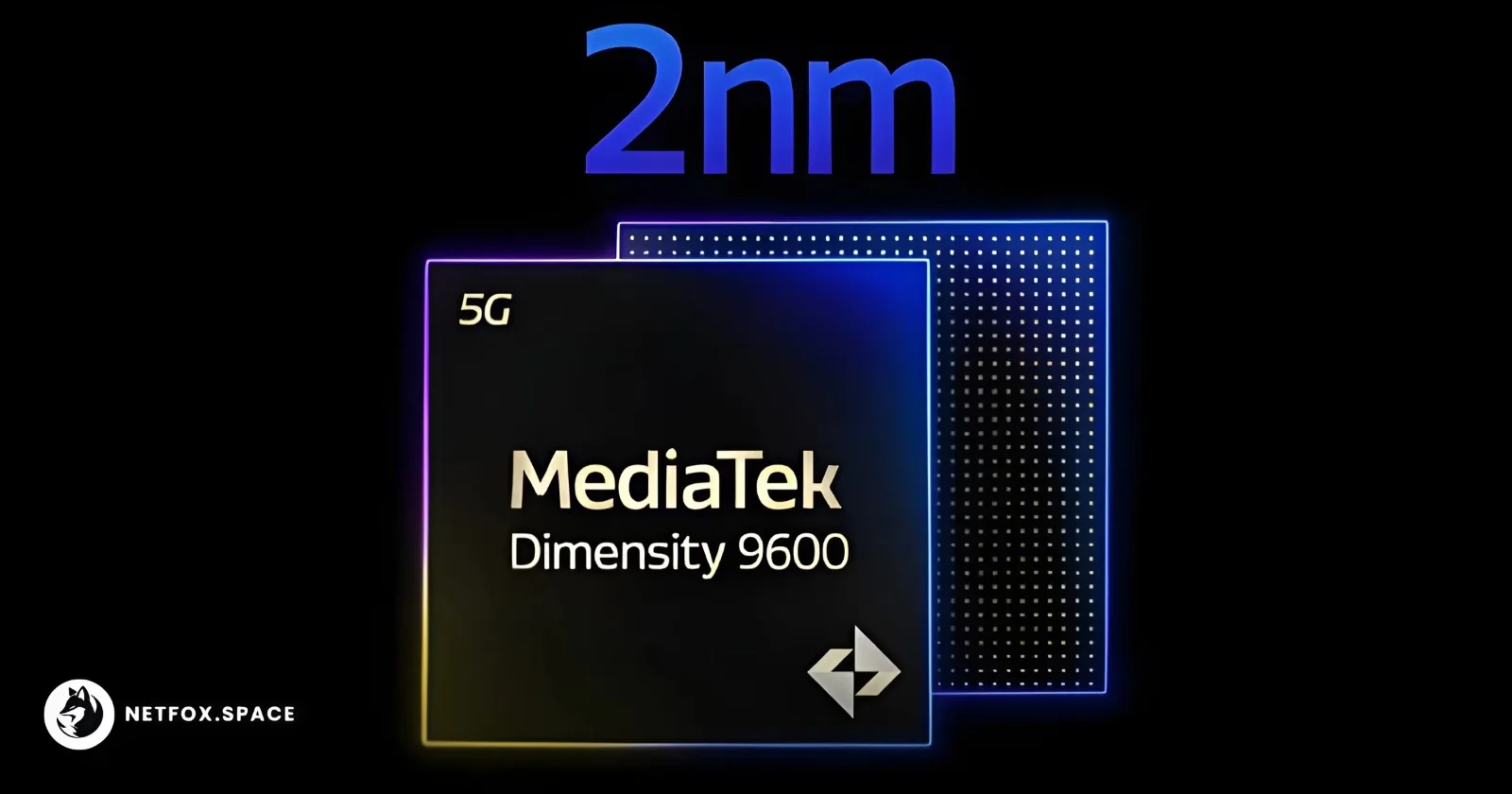
Early architectural details for MediaTek’s 2026 flagship processor, tentatively identified as the Dimensity 9600 or 9600 Pro, suggest a major push toward desktop-level clock speeds and a total abandonment of traditional efficiency cores.
MediaTek targets 5GHz with "all-big-core" Canyon and Gelas architecture
Leaked specifications shared on social media indicate that MediaTek is developing a high-performance configuration featuring a three-tier cluster of large cores. The reported layout includes two "Canyon" cores, three "Gelas-b" cores, and three "Gelas" cores. This "all-big-core" approach continues the trend seen in previous Dimensity flagships, which prioritized sustained multi-threaded performance by removing small, low-power efficiency cores entirely.
 The arrival of the Dimensity 9600 Pro will create an exciting hardware race later this year.
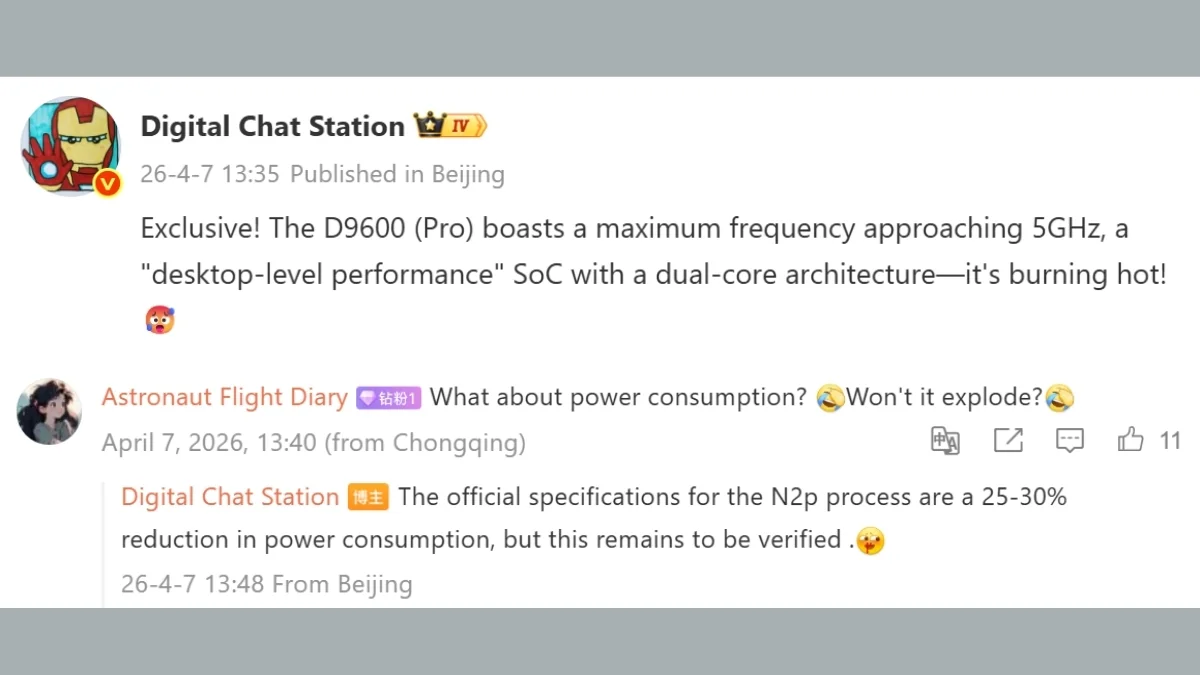
The most notable target in the leaked technical notes is a maximum frequency approaching 5GHz. While mobile chips have steadily climbed toward 4GHz, hitting 5GHz in a handheld form factor represents a significant engineering hurdle regarding thermal density. The inclusion of Scalable Matrix Extension 2 (SME2) support further suggests that MediaTek is optimizing the silicon for heavy AI and matrix-based workloads, which are expected to be the standard for flagship Chinese smartphones by 2027.
TSMC N2p process provides the thermal headroom for high clock speeds
The feasibility of a 5GHz mobile chip depends almost entirely on the transition to TSMC’s advanced N2p process node. This node utilizes Gate-All-Around (GAA) transistor architecture, which offers superior control over current leakage compared to existing FinFET designs.
 The Dimensity 9600 and 9600 Pro will be able to reach a maximum clock speed of nearly 5GHz.
According to internal specifications related to the N2p process, the node itself is expected to provide a 10% to 15% improvement in performance or a 25% to 30% reduction in power consumption compared to its predecessors. It is important to distinguish that these metrics apply to the manufacturing process itself; the final performance of the Dimensity 9600 will be determined by how MediaTek balances these gains against the increased power draw of such high clock speeds. If the 5GHz target is maintained, MediaTek is likely trading the process's efficiency gains for a higher performance ceiling rather than longer battery life.
Support for LPDDR6 and UFS 5.0 signals a platform-wide throughput shift
Beyond raw CPU frequency, the leak identifies the Dimensity 9600 as a platform for next-generation memory and storage standards. The chip reportedly supports LPDDR6 RAM and UFS 4.0 or potentially UFS 5.0 storage. This is a critical requirement for a 5GHz processor, as memory bandwidth often becomes the primary bottleneck when CPU cores are capable of such high-speed execution.
The graphics subsystem is expected to feature the Arm Magni GPU. While specific core counts for the GPU remain unconfirmed, the integration of Magni alongside high-speed memory suggests that MediaTek is positioning this chip to compete directly with desktop-class silicon found in high-end tablets and laptops. However, the "significant trade-off" hinted at in early discussions likely refers to the extreme thermal management required to keep an all-big-core chip stable at 5GHz without aggressive throttling during sustained gaming or AI tasks.
Comments (0)
Please login to comment
Sign in to share your thoughts and connect with the community
Loading...