
Apple at 50: From Garage Startup to $3.5 Trillion Technology Pillar

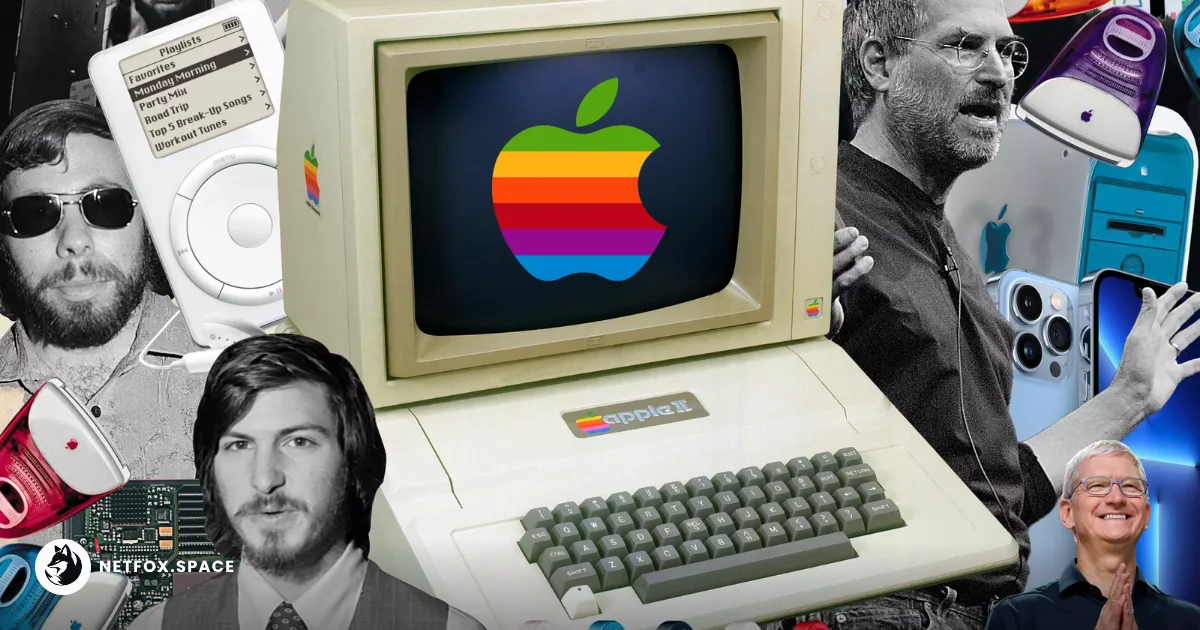
Apple marks its 50th anniversary this week, transitioning from a niche computer hobbyist firm founded in a California garage to a $3.5 trillion global entity that has redefined personal computing, telecommunications, and portable media.
Vertical integration as the foundation for eight technology leaps
Apple’s trajectory is defined by a series of hardware and software pivots that forced entire industries to recalibrate. Starting with the Apple II in 1977, which brought the personal computer to the mass market, the company established a pattern of controlling both the physical device and the operating system. This philosophy of vertical integration reached its modern peak with the iPhone in 2007 and, more recently, with the total transition to in-house processors.
The shift to proprietary chips has allowed the company to optimize power and performance in ways that off-the-shelf components could not sustain. This is evident in the current Apple's custom silicon evolution, which now powers everything from tablets to high-end workstations. These leaps—including the Macintosh, iPod, iPad, Apple Watch, and Vision Pro—were less about inventing new categories and more about refining existing technology into a cohesive, user-centric ecosystem.
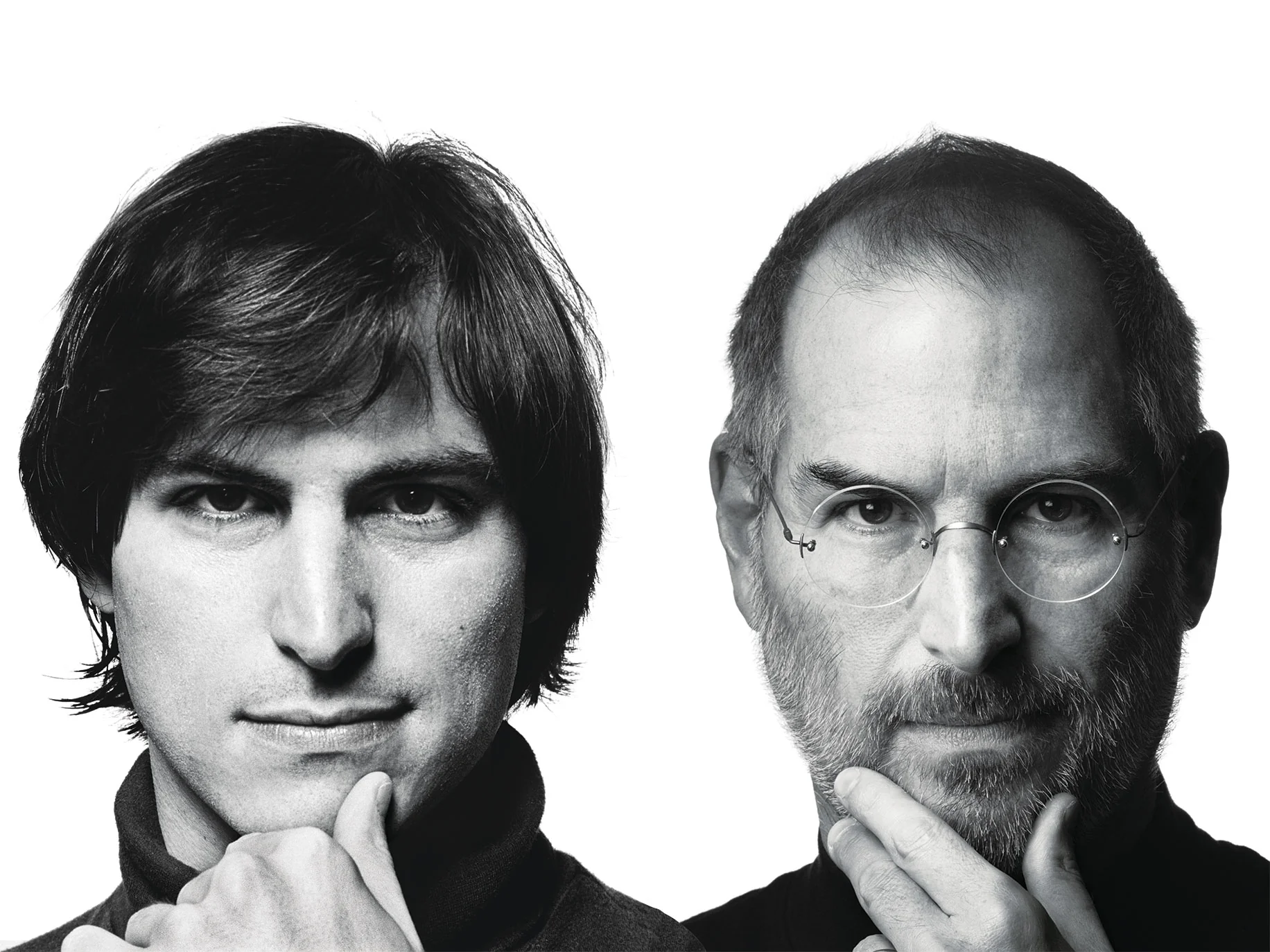 Paperback cover (left) vs. original cover (right)
Former leaders point to a "functional" organizational culture
While many corporations of Apple's scale utilize a multidivisional structure with separate profit-and-loss responsibilities for different products, Apple has largely maintained a functional organization model. In this system, experts lead experts rather than general managers overseeing diverse departments. Former leaders suggest this structure, reinforced during Steve Jobs' second tenure and scaled under Tim Cook, prevents internal competition between product lines.
This centralized approach ensures that the "Think Different" ethos remains a practical operational guideline rather than a marketing slogan. By focusing on integrated design and engineering, the company can ensure that features like Universal Control or Handoff work across disparate devices. This cultural discipline has allowed the company to survive periods of stagnation, such as the mid-1990s, by returning to a simplified product matrix that prioritizes quality over volume.
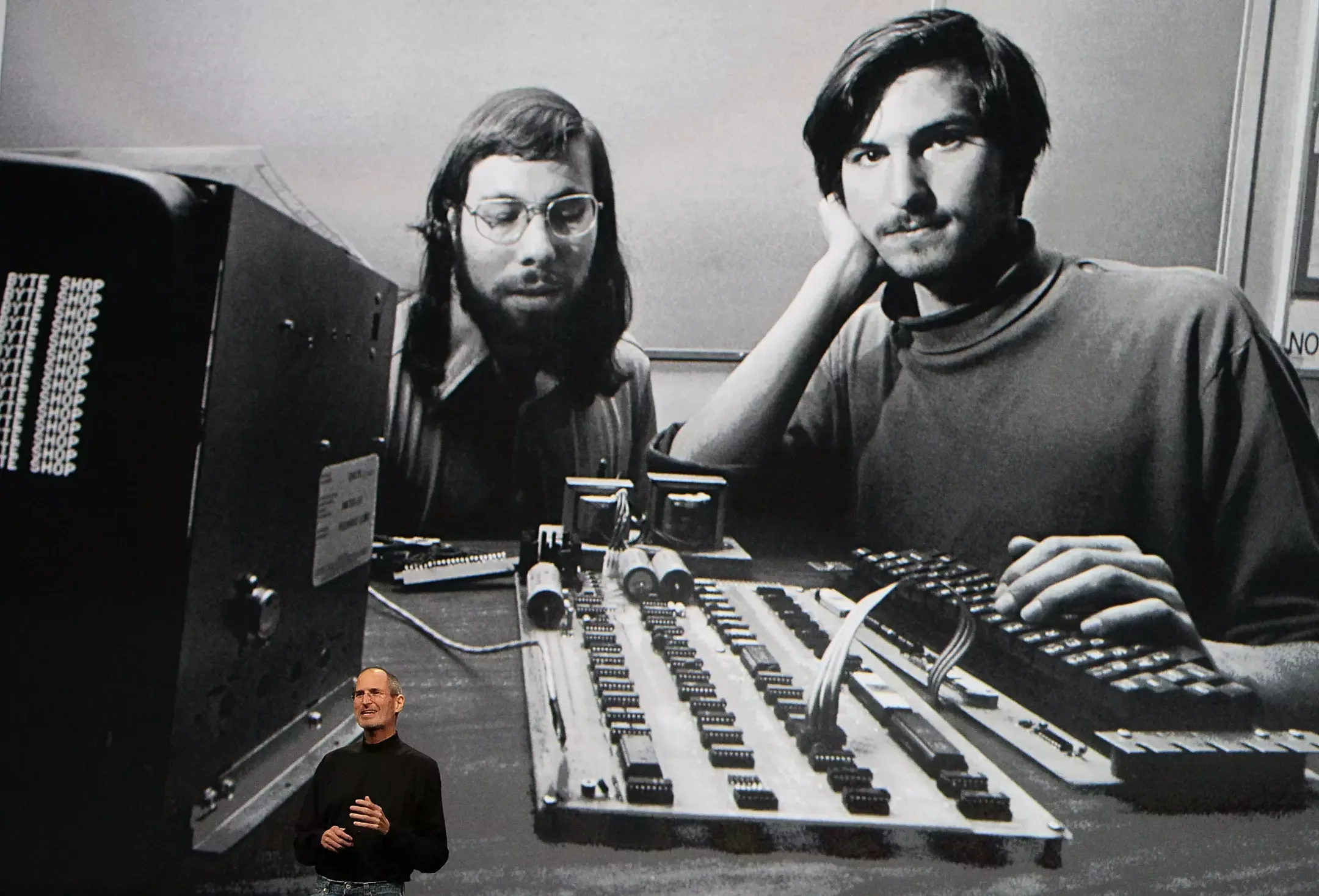 Apple Inc.’s then-CEO Steve Jobs speaks in front of an early image of himself and Steve Wozniak during an Apple event on Jan. 27, 2010, in San Francisco. (Justin Sullivan / Getty Images)
The financial scale of a 50-year evolution
The transition from a startup founded on April 1, 1976, to a company valued at $3.5 trillion reflects a massive shift in capital allocation and market reach. Apple’s financial dominance is no longer tied solely to high-margin premium hardware; it is increasingly bolstered by a services ecosystem and a more aggressive current mid-range pricing strategy designed to capture emerging markets and younger demographics.
As the company enters its sixth decade, the focus has shifted toward spatial computing and artificial intelligence. The challenge for the next era will be maintaining the same level of platform control while facing increasing regulatory scrutiny over its App Store and digital ecosystem. However, the first 50 years suggest that Apple’s primary strength remains its ability to wait for a technology to mature before packaging it into a definitive consumer experience.
Comments (0)
Please login to comment
Sign in to share your thoughts and connect with the community
Loading...