
John Ternus Named Apple CEO as Tim Cook Shifts to Chairman

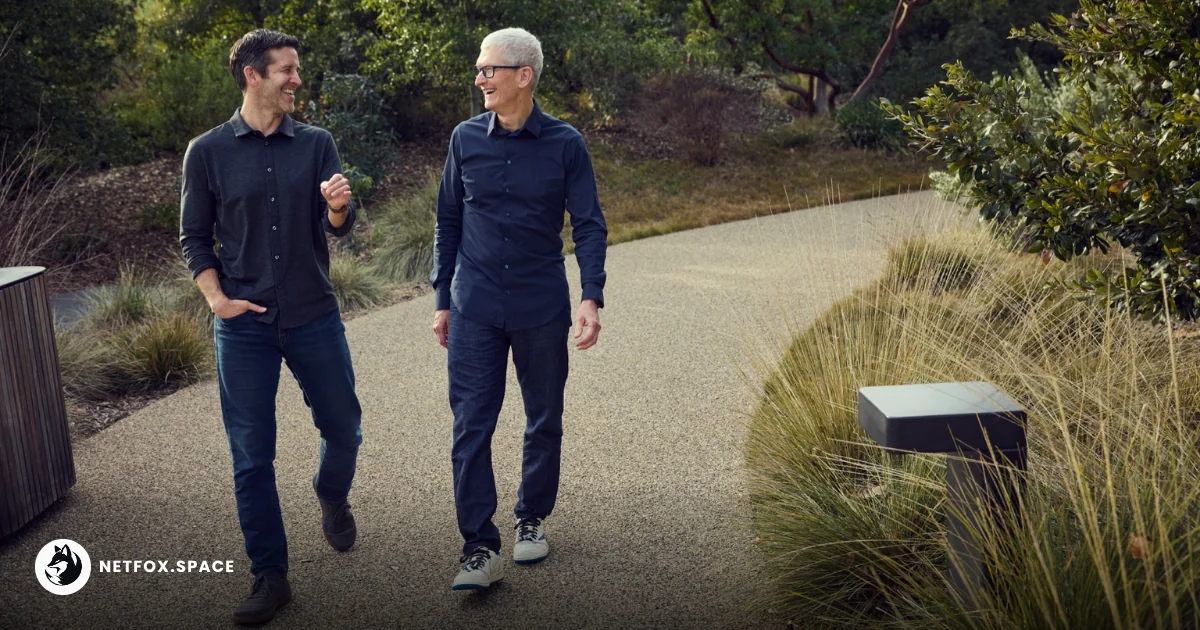
Apple has announced that John Ternus, current Senior Vice President of Hardware Engineering, will become the company’s next CEO on September 1, 2026. Tim Cook, who has led the company since 2011, will transition to the role of Executive Chairman of the Board.
A Planned Transition to Hardware-Centric Leadership
The move, which received unanimous approval from Apple’s Board of Directors, marks the conclusion of a multi-year succession planning process. Ternus, a 25-year veteran of the company, will take over at a time when Apple is increasingly defined by its vertical integration of hardware and silicon. Unlike Cook, whose background was rooted in supply chain and operations, Ternus is a mechanical engineer by training, signaling a potential return to a product-first executive identity similar to that of Steve Jobs.
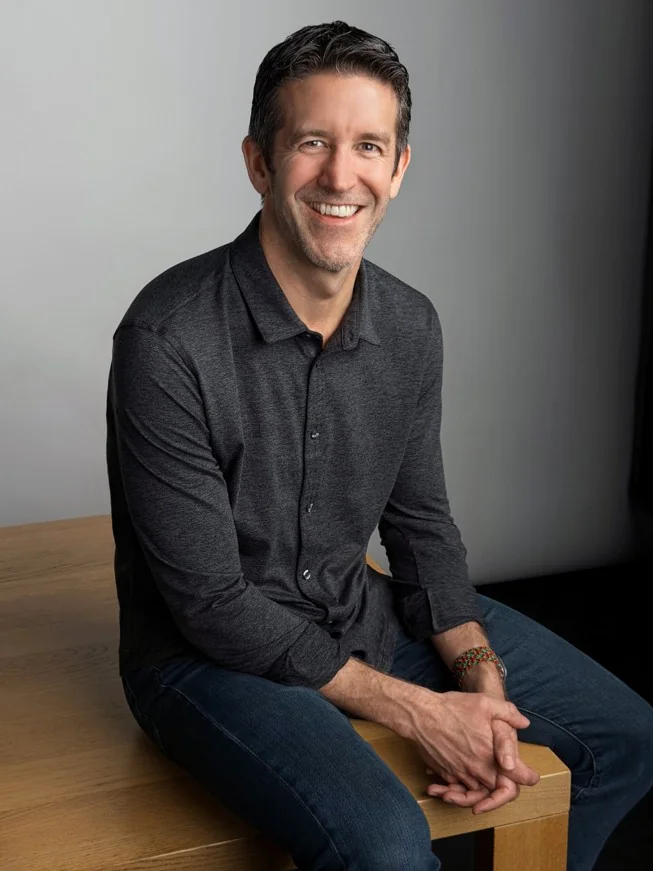 John Ternus to become Apple CEO
As part of the reshuffle, Arthur Levinson will vacate his role as non-executive chairman after 15 years to become Apple’s lead independent director. Ternus will also join the board on the same date his CEO tenure begins. The transition period is scheduled through the summer of 2026, during which Cook will remain CEO while mentoring Ternus on the broader administrative and political complexities of the role.
The Operational Legacy of the Cook Era
Tim Cook’s transition to Executive Chairman follows a period of unprecedented financial scaling. Since taking the helm in 2011, Cook oversaw Apple’s growth from a $350 billion market capitalization to its current status as a $4 trillion technology pillar. Under his tenure, annual revenue grew from $108 billion to over $416 billion in fiscal year 2025.
Beyond the balance sheet, Cook’s primary contribution was the diversification of Apple’s revenue through the Services division. Now a $100 billion annual business, Services—including iCloud, Apple Music, and Apple Pay—created a recurring revenue model that reduced the company's historical dependence on iPhone hardware cycles. Additionally, Cook presided over the creation of the Wearables category, including the Apple Watch and AirPods, and the high-stakes transition to Apple Silicon.
In his new capacity as Executive Chairman, Cook is expected to focus on external relations. Apple specifically noted that he will assist with policy engagement, a critical area given the mounting global regulatory pressure regarding App Store practices and antitrust concerns in both the U.S. and the European Union.
John Ternus and the Engineering of the Future
John Ternus joined Apple’s product design team in 2001 and has been a member of the executive team since 2021. His fingerprints are on nearly every major hardware release of the last decade, including the iPad, multiple generations of iPhone, and the AirPods.
Critically, Ternus led the hardware engineering efforts for the Mac’s transition to custom silicon. His leadership in this area helped revitalize a product category that had stagnated prior to the introduction of the M-series chips. More recently, Ternus was responsible for the introduction of the iPhone 17 Pro and the ultra-thin iPhone Air, as well as the integration of hearing aid functionality into the AirPods Pro.
From a practitioner's perspective, Ternus’s promotion suggests that Apple views hardware durability and material science as its primary competitive moat. Ternus has been a public face for Apple’s shift toward repairability and the use of recycled materials, such as the 3D-printed titanium used in the Apple Watch Ultra 3. By elevating a hardware engineer to the top spot, Apple is likely doubling down on its "Pro" hardware strategy, where performance gains and physical design are the main drivers of the upgrade cycle.
Unresolved Questions in the Succession Chain
While the CEO transition is clear, Apple has not yet named a successor for Ternus as Senior Vice President of Hardware Engineering. This creates a significant vacancy at the top of Apple’s most vital functional org. The company’s preference for internal promotion suggests that a current Vice President within the hardware engineering team will likely be tapped for the role before the September 1 deadline.
Furthermore, while Cook will remain as Executive Chairman, his shift away from day-to-day operations raises questions about how the company will navigate its relationship with China and other emerging markets—areas where Cook’s personal diplomacy was often viewed as essential. Ternus, who has largely focused on the internal technical aspects of product development, will now face the challenge of managing these geopolitical and macroeconomic variables that fall far outside the scope of mechanical engineering.
Comments (0)
Please login to comment
Sign in to share your thoughts and connect with the community
Loading...