Logo
HomeQ&AAnti-ScamNotifications
Comment
Technology

Best Chinese Phones 2026: Vivo, Huawei, Oppo & Xiaomi Leads

Galvin Prescott
Galvin Prescott
Jan 27, 20264 min
0
0
0
180
Discover the top Chinese domestic smartphones of 2026. From Vivo’s 200MP Zeiss optics to Huawei’s 8,000-nit displays, see how the new flagships redefine mobile tech.

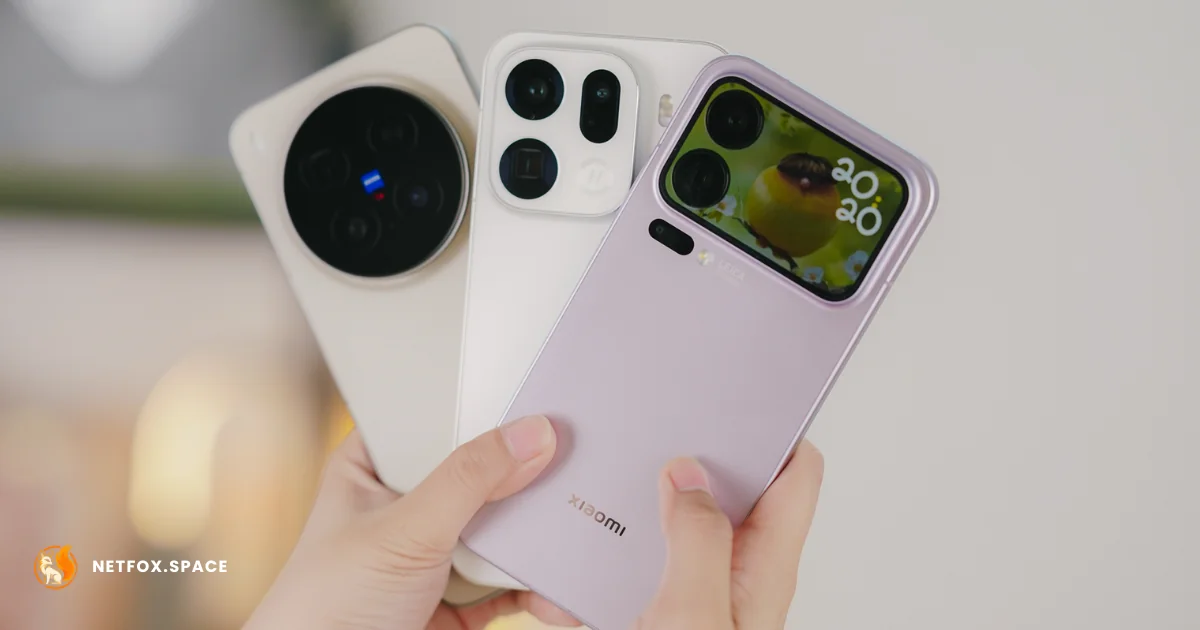
The first quarter of 2026 has solidified China’s dominance in the high-end mobile market, with manufacturers pushing hardware limits that were deemed "experimental" just a year ago. Led by the Vivo X300 Pro, Huawei Mate 80 Pro Max, and Oppo Find X9 Pro, this year's lineup showcases a massive leap in Silicon-Carbon battery density, periscope optics, and 3nm processing power.

Despite a global squeeze on component costs, these domestic giants are prioritizing "extreme specs" to capture a more discerning consumer base. From built-in telephoto extenders to satellite-enabled emergency modes, the 2026 class of smartphones is moving beyond incremental updates.
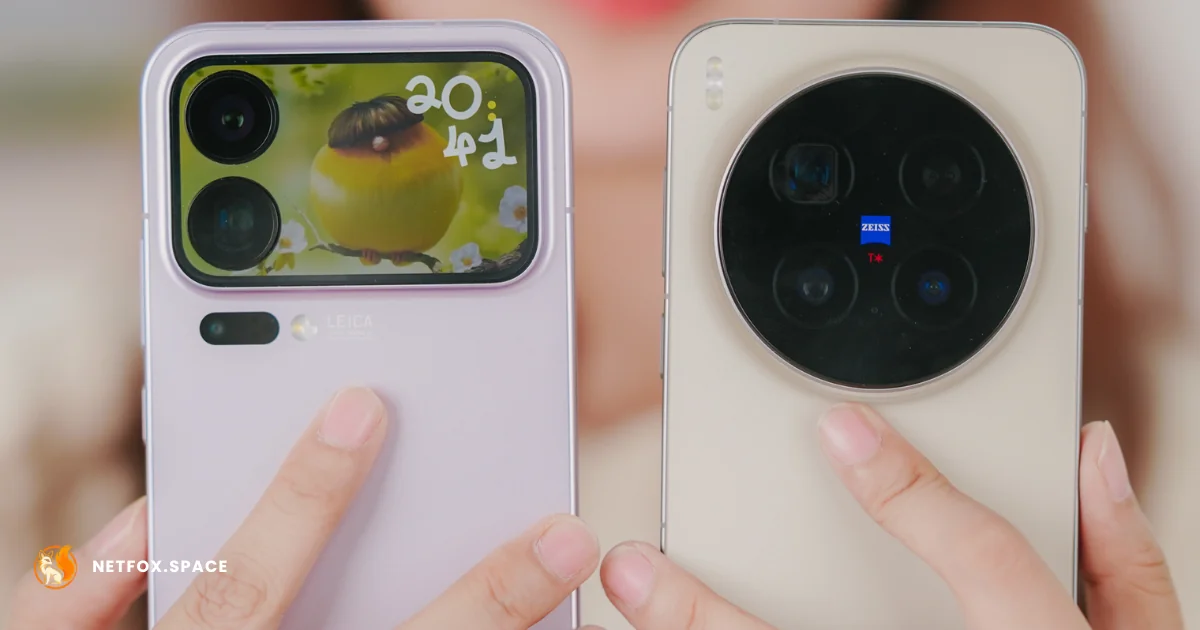

The Camera King: Vivo X300 Pro’s 200MP Zeiss OpticsThe Camera King: Vivo X300 Pro’s 200MP Zeiss Optics

The Camera King: Vivo X300 Pro’s 200MP Zeiss Optics

The Vivo X300 Pro has emerged as the early favorite for mobile photographers. Its centerpiece is the 200MP ZEISS APO Telephoto camera, utilizing a 1/1.4-inch sensor that delivers professional-grade clarity even at 10x digital crops.

  • The Chip: Powered by the MediaTek Dimensity 9500, it delivers a 32% boost in single-core performance.

  • The Battery: A 6510 mAh BlueVolt battery ensures the device remains slim (just 8mm) while offering nearly two days of endurance.
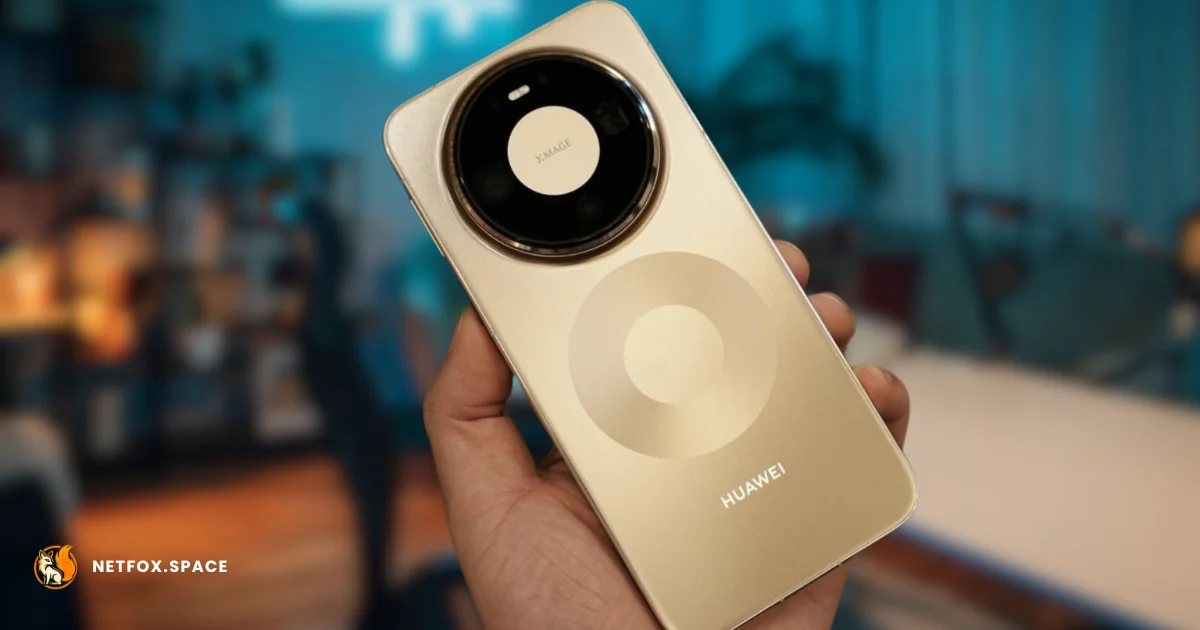
Huawei’s Domestic Triumph: The Mate 80 Pro MaxHuawei’s Domestic Triumph: The Mate 80 Pro Max

Huawei’s Domestic Triumph: The Mate 80 Pro Max

Returning to its roots of extreme hardware innovation, the Huawei Mate 80 Pro Max features the world's first 8,000-nit peak brightness display. Running on the self-developed Kirin 9030 Pro chipset and HarmonyOS 6.0, Huawei is successfully bypassing Western supply chain limitations.

The device also introduces the Red Maple True Color Imaging System, which reduces color deviation by 60% in complex lighting. Perhaps most impressive is its "Outdoor Adventure" mode, which can extend battery life to 14 days by limiting background processes while maintaining GPS and satellite communication.
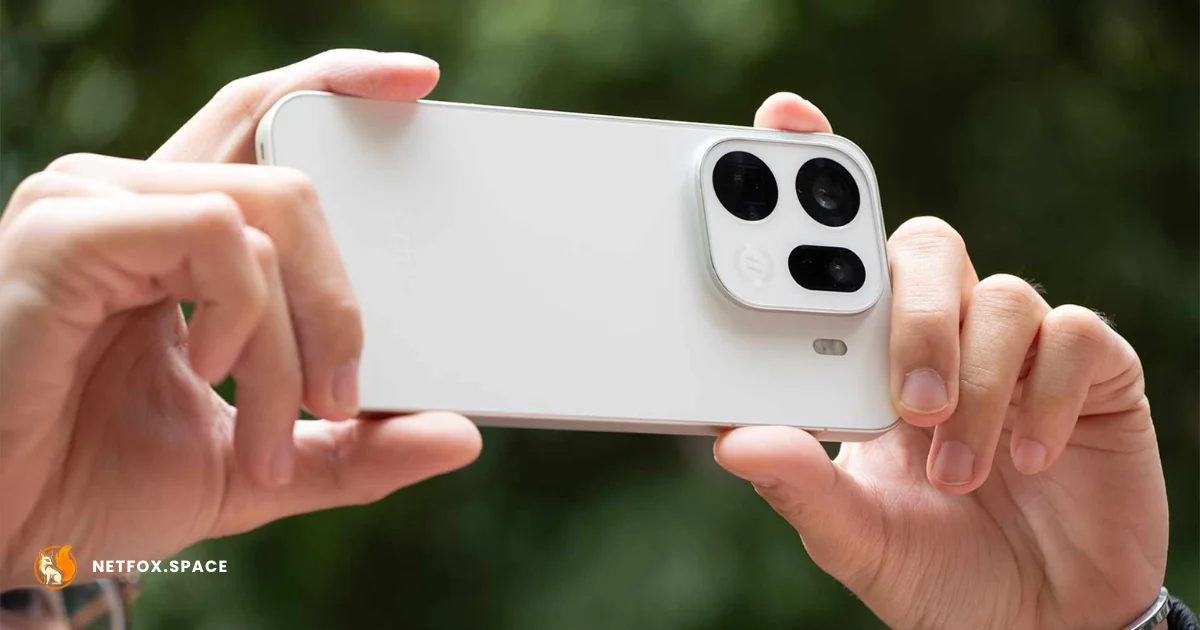
Power Players: Oppo Find X9 Pro and the 7500mAh BarrierPower Players: Oppo Find X9 Pro and the 7500mAh Barrier

Power Players: Oppo Find X9 Pro and the 7500mAh Barrier

Oppo has chosen to tackle the number one consumer complaint: battery anxiety. The Oppo Find X9 Pro packs a staggering 7500mAh battery, yet maintains a manageable weight of 224g. This was achieved through high-silicon content battery cells that maximize internal space without increasing the phone's footprint.

While Oppo is leading the flagship battery race, the budget segment is seeing even more radical jumps. For instance, the Realme P4 Power 5G debuts with a 10,001mAh battery, signaling a shift where "all-week battery" is becoming a standard marketing pillar in 2026.
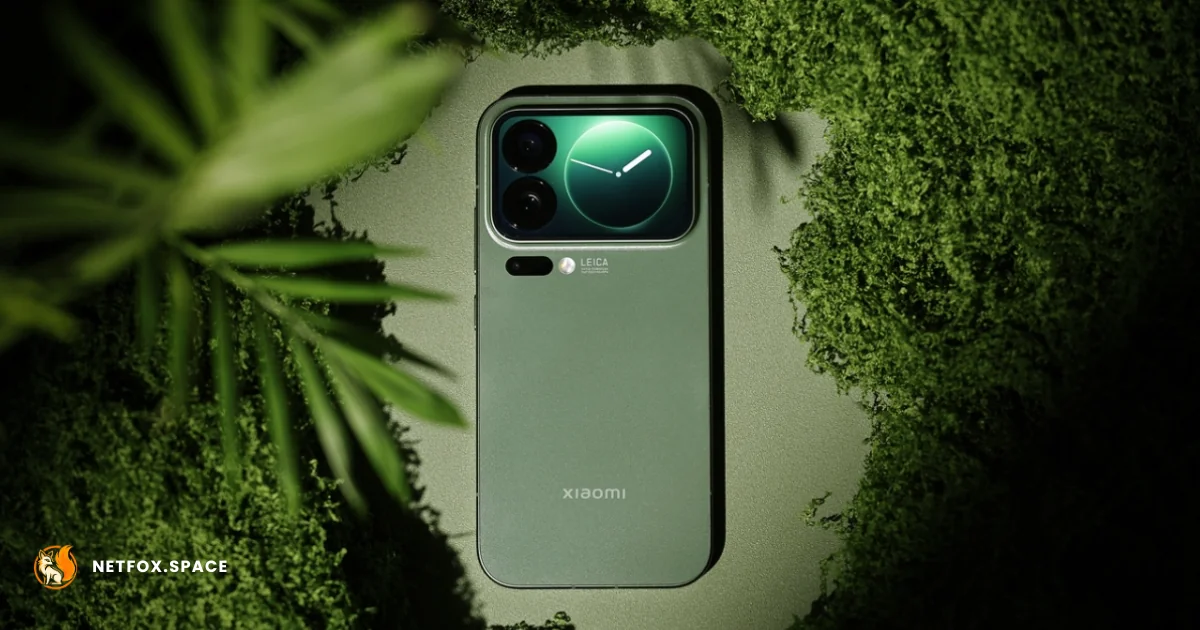

Xiaomi 17 Pro: Snapdragon 8 Elite and Dual-Display InnovationXiaomi 17 Pro: Snapdragon 8 Elite and Dual-Display Innovation

Xiaomi 17 Pro Max: Peak Endurance and Large-Scale Visuals

Xiaomi elevates its flagship lineup with the Xiaomi 17 Pro Max, a device engineered for users who refuse to compromise on screen size or battery life. Like its sibling, it is powered by the Snapdragon 8 Elite Gen 5, pushing performance boundaries with a 4.6 GHz clock speed.

The Pro Max redefines the "Ultra" experience by expanding the dual-display concept, featuring a larger 2.9-inch secondary rear screen and a massive 6.9-inch 2K primary display. To support this powerhouse, Xiaomi has integrated a groundbreaking 7,500 mAh Silicon-Carbon battery, ensuring multi-day endurance even under heavy workloads. With an upgraded Leica Summilux system and an enhanced telephoto sensor, the Pro Max stands as the definitive choice for mobile photographers and power users alike.

The Economic Reality: Why 2026 Flagships Cost More

While the technology is breathtaking, it comes with a higher price tag. Analysts note that rising smartphone prices in 2026 are driven by key cost drivers, primarily the soaring costs of UFS 4.1 storage and the 3nm fabrication processes required for the latest Qualcomm and MediaTek chips.

As a result, the "starting price" for a true Chinese flagship has shifted upward, with many models now launching between $800 and $1,300. Consumers are increasingly opting for "Pro" and "Ultra" variants, viewing them as long-term investments rather than annual upgrades.


The next wave of releases is expected in March 2026, with rumors suggesting that Huawei will launch the Pura 90 series to challenge Vivo's telephoto dominance.

Comments (0)

Sort by

Please login to comment

Sign in to share your thoughts and connect with the community

Loading...

Related news

Google launches Gemma 4, a new generation of open-source models built on Gemini technology. Learn about the technical specs, performance, and how to run it locally.

Google Gemma 4 Launch: Open-Source Models and Local Access

43 views•3 min
The Vivo X300 Ultra's Chinese launch reveals a significant price gap for international buyers. Explore the specs, import costs, and software limitations.

Importing the Vivo X300 Ultra: Costs, Specs, and Risks

63 views•4 min
Recent data reveals a surprising winner in vehicle durability. Learn why standard hybrids are outperforming both electric and gasoline cars in long-term reliability.

Hybrid vs. Electric vs. Gas Car Reliability Explained

68 views•4 min
Technical deep dive into the Axios npm compromise (v1.14.1 and v0.30.4). Analysis of the plain-crypto-js RAT dropper, OIDC bypass, and anti-forensic cleanup.

Technical Analysis: Axios npm Supply Chain Attack

93 views•5 min
As Apple marks 50 years, we examine the cultural and technical shifts that turned a garage startup into a $3.5 trillion titan through eight core product leaps.

Apple at 50: From Garage Startup to $3.5 Trillion Technology Pillar

150 views•3 min
A technical narrative of a 320GB production server failure, focusing on Samsung LRDIMM errors, kernel RAS logs, and the operational cost of technical negligence.

From Morning Crash to Evening Demolition: Proving a 320GB Production Server Failure When Management Derailed

77 views•6 min
Sony increases PlayStation 5 prices by $100, citing AI-driven memory demand and geopolitical instability. The hike affects PS5, PS5 Pro, and PlayStation Portal.

Sony Hikes PlayStation 5 Prices by $100 Amid Surging Memory Costs

78 views•3 min
A technical audit of Alibaba’s AgentScope framework, focusing on its three-layer architecture, four-tier fault tolerance, and multimodal ContentBlock system.

Alibaba AgentScope Technical Deep Dive: AOP and Fault Tolerance

190 views•4 min
Meta has initiated targeted layoffs across several divisions, including Reality Labs and Instagram, as it pivots its capital allocation toward AI development.

Meta Cuts Jobs Across Reality Labs to Fund AI Pivot

235 views•2 min
litellm 1.82.8 Supply Chain Attack: Forensic Analysis of the litellm_init.pth Payload

litellm 1.82.8 Supply Chain Attack: Forensic Payload Analysis

191 views•4 min
Epic Games reduces workforce by 1,000 and slashes $500 million in costs as Fortnite growth cools. Detailed analysis of the gaming sector's structural shift.

Epic Games Layoffs: 1,000 Cut Amid Fortnite Revenue Decline

49 views•3 min
OnePlus 15T debuts with Snapdragon 8 Elite Gen 5, 7,500mAh silicon-carbon battery, and 165Hz AMOLED. Global launch as OnePlus 15s expected for 2026

OnePlus 15T: Snapdragon 8 Elite Gen 5 & 7500mAh Battery Launch

65 views•4 min
Samsung's Galaxy S26 will reportedly support Apple’s AirDrop protocol. Discover how this cross-platform shift impacts the mobile ecosystem and user interoperability.

Samsung Galaxy S26 to Feature Native AirDrop Compatibility

57 views•4 min
Apple’s upcoming M5 Pro and M5 Max chips will reportedly utilize vertically stacked dies and 3D packaging to break current silicon performance barriers.

Apple M5 Pro and M5 Max to Feature 3D Hybrid Bonding

62 views•4 min
Lightpanda challenges Chromium's dominance with a Zig-based, cloud-native browser designed specifically for AI agents and high-speed machine automation.

Lightpanda: Why the Machine-First Browser Beats Chromium

93 views•5 min
OpenAI acquires Astral, creators of the ultra-fast Ruff linter, signaling a strategic shift toward high-performance Rust-based Python tooling for AI agents.

OpenAI Acquires Astral: The Rustification of AI Development

93 views•4 min
Future gaming laptops will feature advanced OLED displays and high-performance chips, but supply chain shifts and premium specs are driving MSRPs to record highs.

Next-Gen Gaming Laptop Prices to Surge Amid Component Shifts

62 views•4 min
Samsung suspends Galaxy Z TriFold sales just three months after launch. Explore the technical hurdles, supply chain impacts, and the future of foldable tech.

Samsung Halts Galaxy Z TriFold Sales: Strategic Retreat?

81 views•4 min
NVIDIA launches NemoClaw at GTC 2026, providing a secure infrastructure layer for autonomous OpenClaw agents on RTX PCs, DGX Spark, and cloud platforms.

NVIDIA NemoClaw: Securing the OpenClaw Agent Ecosystem

174 views•5 min
Cloudflare introduces Markdown for Agents to bridge the gap between AI reasoning and human readability. Explore the impact on LLM tool-calling and API design.

Markdown for Agents: Cloudflare’s New AI Protocol Explained

116 views•4 min