
Porsche Electrified Sales Overtake Gas in Europe for 2025

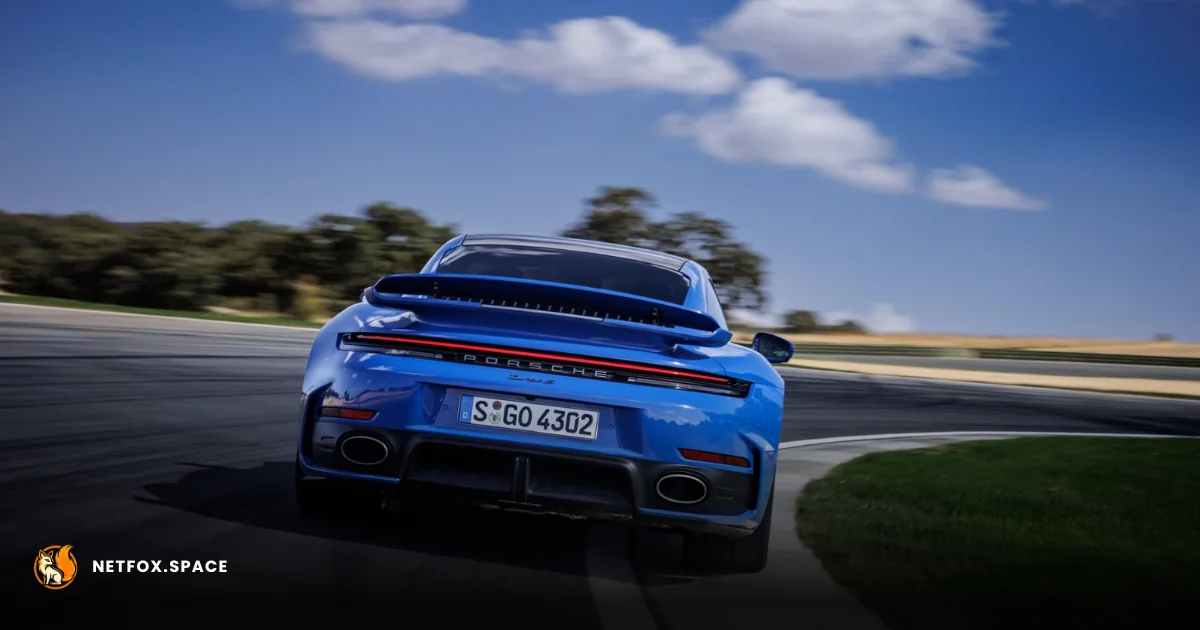
Porsche has reached a definitive tipping point in its home market. In a year defined by shifting regulations and a massive overhaul of its product lineup, the German sports car manufacturer sold more electrified vehicles in Europe during 2025 than traditional, pure gasoline-powered cars.
According to full-year delivery data released in mid-January 2026, electrified models—a category Porsche defines as combining both battery-electric vehicles (BEVs) and plug-in hybrids (PHEVs)—accounted for a dominant 57.9% of the brand's total European sales. This marks the first time in the company's history that the "charging cable" has officially overtaken the fuel pump across the continent.
The Macan Factor and Regulatory Push
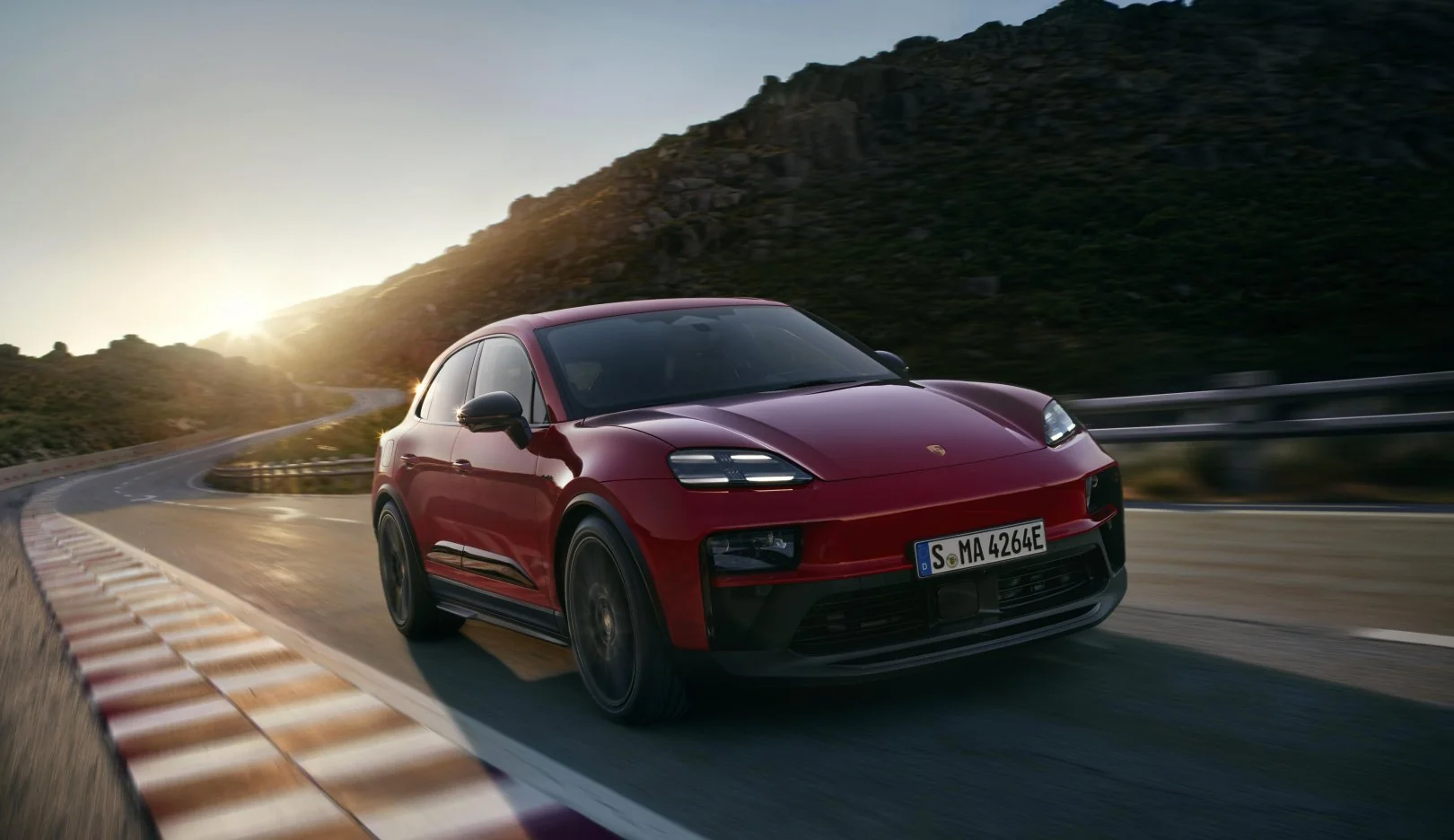
The surge in electrification was largely driven by the all-electric Macan. In its first full year of availability, the electric variant of the compact SUV became the brand's global top-seller, delivering 84,328 units—of which 53.8% (45,367 vehicles) were fully electric.
This shift was accelerated by strict EU cybersecurity regulations that forced the gasoline-powered Macan and 718 models off the market in Europe earlier than in other regions. With the internal combustion engine (ICE) versions of these high-volume models unavailable, European buyers moved en masse toward the new electric and hybrid alternatives.
 A Tale of Two Markets: Global vs. Local
A Tale of Two Markets: Global vs. Local
While Europe embraced the plug, Porsche's global performance told a more complex story. Total worldwide deliveries fell by 10% to 279,449 units, primarily due to a sharp 26% decline in China. In that market, Porsche is facing intense pressure from local EV giants like BYD and Xiaomi, who are competing aggressively on both price and software integration.
Conversely, North America remained a bastion for traditional power. While the electric Macan saw respectable adoption in the U.S. (accounting for about one-third of the model's sales), combustion engines remained the preferred choice for the majority of North American customers.
2025 Sales Breakdown by Drivetrain
The following table illustrates how the "electrified" share became the majority in Europe compared to the global average:
| Region | Electrified Share (BEV + PHEV) | Fully Electric (BEV) Share |
|---|---|---|
| Europe | 57.9% | ~33.3% (1 in 3) |
| Global | 34.4% | 22.2% |
| Target Range | N/A | 20.0% – 22.0% |
Strategic Flexibility for 2026
Despite the European milestone, Porsche leadership is signaling a "value over volume" strategy for 2026. The company recently adjusted its long-term outlook to prioritize profitability over raw delivery numbers, acknowledging that the transition to full electrification is moving at different speeds across the globe.
"Our goal is to remain flexible," stated Matthias Becker, Porsche’s Board Member for Sales and Marketing. While the Cayenne Electric (launched in late 2025) and the 911 T-Hybrid show Porsche’s commitment to high-performance electrification, the brand continues to develop e-fuels and hybrid tech to satisfy the "gas-only" loyalists in markets like the United States.
The "So-What" Factor: Porsche’s European success proves that luxury buyers are ready for electric performance when the product and infrastructure align. However, the global decline highlights a precarious transition: Porsche must defend its legacy against a new wave of digital-first competitors in China while simultaneously managing a two-speed world where Europe is plugging in and North America is still fueling up.
Comments (0)
Please login to comment
Sign in to share your thoughts and connect with the community
Loading...