
Beyond the Reformer: Why Pilates Became a Coded Metric in Modern Dating

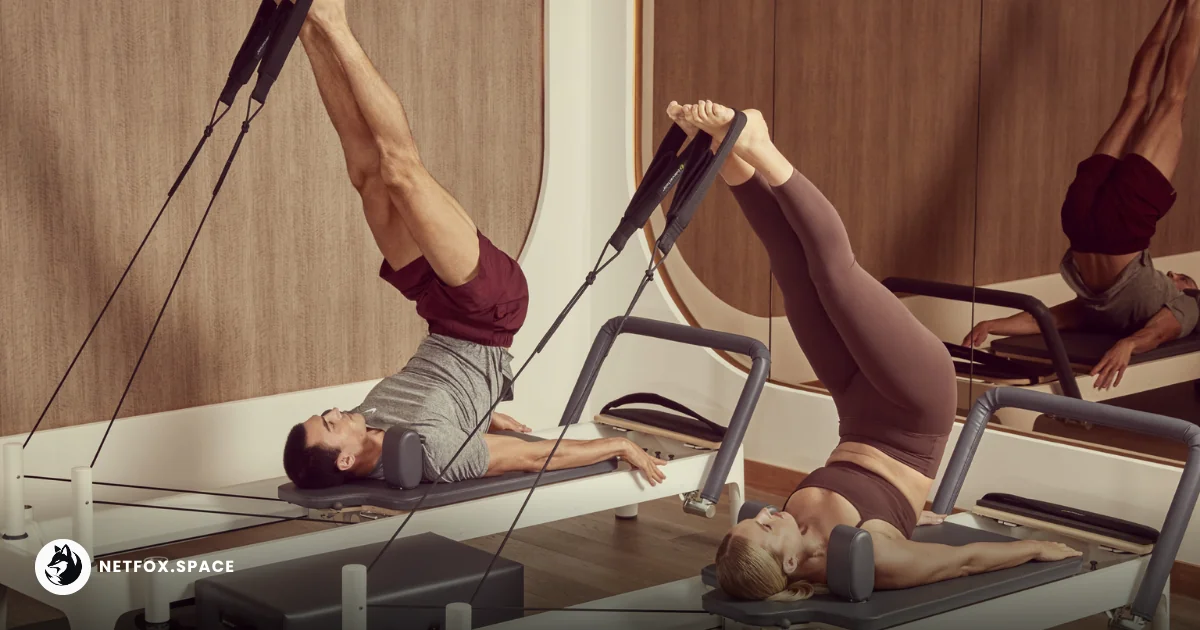
The traditional Pilates studio—once defined by its rehabilitative focus and "controlled" movement—is currently navigating a shift from a health-conscious space to a potent cultural shorthand. While practitioners continue to use the Reformer for core stability and injury prevention, a parallel narrative has emerged online, transforming the workout into a specific signifier within the landscape of modern dating and gender politics.
Pop culture moments signal a shift from fitness to aesthetic requirement
The transition of Pilates from a personal wellness choice to a public dating metric has been accelerated by high-profile reality television and digital media. A notable instance occurred during Season 10 of Love Is Blind, where a male contestant explicitly linked his lack of attraction to his fiancée to a preference for someone who performs Pilates on a daily basis. This framing repositioned the exercise not as a tool for physical health, but as a proxy for a specific body type and lifestyle discipline.
This sentiment was mirrored in other media spaces, such as the account of a high-profile separation where a spouse reportedly pressured his partner to adopt the workout prior to their split. These instances suggest that for some, the term "Pilates" has evolved into a coded way to describe expectations regarding thinness and a "polished" feminine presentation. It reflects a broader shift where long-distance relationship trends and dating preferences are increasingly influenced by curated digital archetypes.
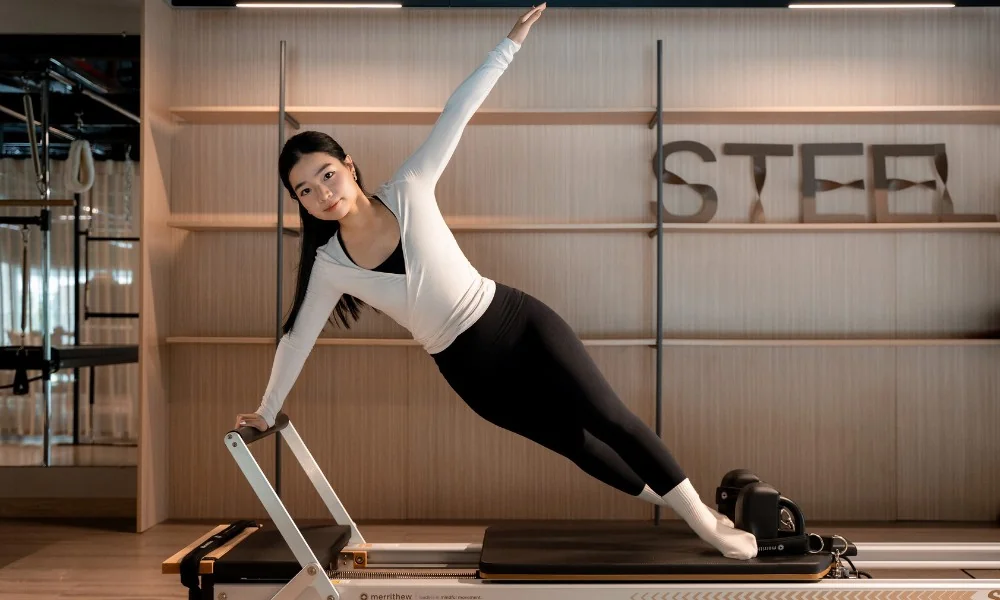 Pilates is a method of training for strength, flexibility, and body control.
Social visibility transforms functional exercise into a lifestyle archetype
The "Pilates Princess" archetype—characterized by coordinated sets, post-class rituals, and a "clean" aesthetic—has become a dominant fixture on social media platforms like TikTok. According to health and culture writer Mikala Jamison, the current obsession with Pilates may be more about visibility than a deep-seated ideological takeover. Because the workout is frequently documented by young, often thin, white women in high-production-value videos, it has become the default reference point for observers who associate that specific look with high social value.
 The power of the pink Pilates princess
This visibility creates a feedback loop. Men who may not understand the mechanics of the workout still recognize the "Pilates girl" as a desirable social category. In some corners of the internet, this has morphed into the "Pilates wife" trend, where social media creators advocate for seeking partners who participate in the workout as a sign of being "wholesome" or disciplined. The reality, however, is that this interpretation relies on a surface-level association rather than the actual diversity of people who practice the method for varying health reasons.
The rehabilitative roots of Pilates conflict with its modern aesthetic branding
The commercialized version of Pilates as a "dainty" or purely aesthetic pursuit stands in sharp contrast to its engineering and history. Developed by Joseph Pilates in the early 20th century as a rehabilitative method, the practice was designed to strengthen the body holistically. This functional reality is often ignored in the current cultural debate.
Kemberly Deane, founder of Kinfolk Pilates, notes that there is a significant gap between the perceived "pink" aesthetic and the actual physical demands of the practice. In a professional setting, Pilates is used by athletes for mobility, recovery, and core efficiency—tasks that have little to do with the "softness" often attributed to it in online dating rhetoric.
By distilling a complex physical discipline into a "dating dog whistle," the current cultural narrative risks alienating the very people the workout was intended to help. When a functional tool for skeletal health is rebranded as a metric for "wifeability," the focus shifts away from what the body can do and toward how well it fits a narrow, algorithmically favored ideal.
Comments (0)
Please login to comment
Sign in to share your thoughts and connect with the community
Loading...