

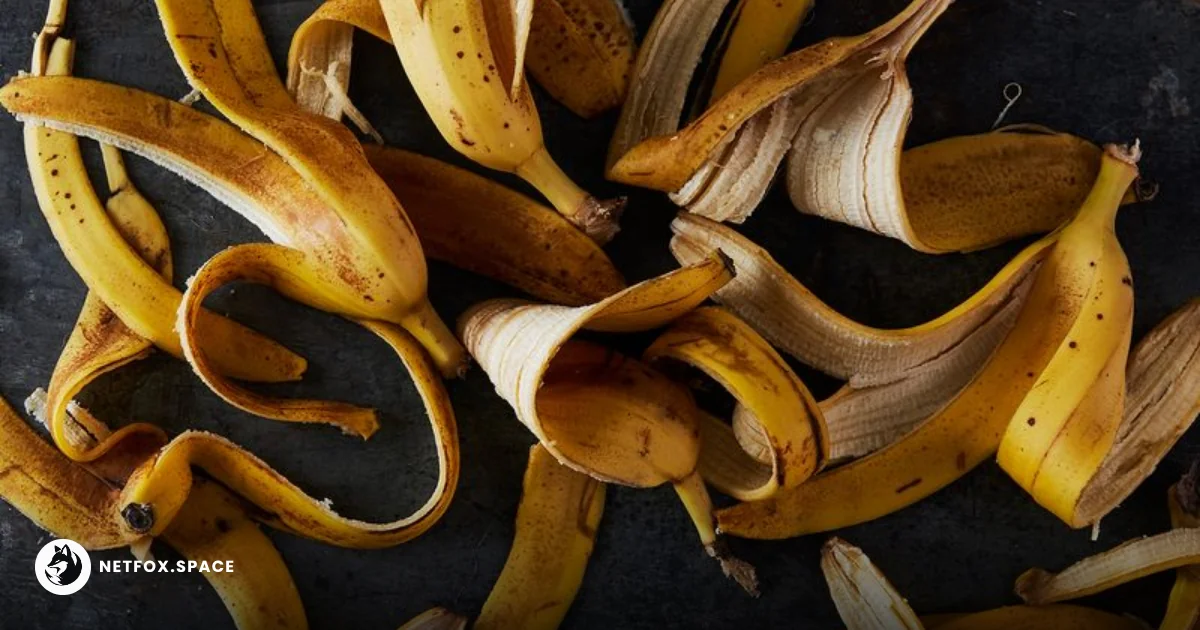
Banana peels, often discarded as kitchen waste, serve as a potent organic resource for home gardeners looking to boost soil health. Rich in essential minerals, these peels offer a sustainable way to support root development in new seedlings and help transplanted specimens recover from the stress of moving.
Rich mineral content supports root development and transplant shock recovery
The primary benefit of using banana peels in the garden lies in their high concentration of nutrients like potassium and phosphorus. Potassium is vital for overall plant vigor, aiding in water regulation and strengthening cellular walls, which is particularly important for young plants establishing themselves in new environments. Phosphorus plays a critical role in root growth and the eventual production of flowers and fruit.
Unlike synthetic fertilizers that can sometimes burn sensitive young roots, the organic matter in banana peels breaks down more gently. While they are not a complete fertilizer—they lack significant nitrogen—they act as an excellent supplement for strengthening the root systems of heavy-feeding plants like roses, tomatoes, and peppers.
Underground placement provides a nutrient reservoir for new plantings
One of the most effective ways to use peels for new transplants is to bury them directly in the soil at the bottom of the planting hole. As the peels decompose, they release minerals directly into the "root zone," where the plant needs them most. This method ensures that the nutrients are available as the roots expand downward.
To maximize efficiency and avoid attracting pests, it is recommended to chop the peels into small pieces before burying them. Covering the peels with an inch of soil before placing the plant on top prevents direct contact, which can occasionally cause temporary fermentation heat. This underground fertilization technique is an ideal "set-and-forget" strategy for seasonal vegetable gardens and new floral beds.
Liquid fermentation creates a fast-acting mineral supplement
For plants already in pots or established in the ground, making banana peel tea provides a quicker way to deliver minerals. By soaking fresh peels in water for 48 hours to a week, gardeners create a nutrient-rich liquid that can be poured directly onto the soil. This "tea" allows the minerals to bypass the slow decomposition process of a whole peel, making the nutrients immediately accessible to the plant’s vascular system.
This method is particularly useful for indoor plants that may not have the microbial activity required to break down solid waste quickly. However, it is important to discard the solid remains in a compost bin after soaking to prevent odors or fruit flies indoors.
Dehydrated peels serve as a concentrated long-term soil amendment
For a more controlled application, peels can be dried and ground into a powder. Dehydrating the peels in the sun or a low-temperature oven removes moisture, leaving behind a concentrated mineral dust. This powder can be mixed into potting soil or sprinkled as a top-dressing around existing plants.
Unlike fresh peels, the dried powder does not attract pests and can be stored for several months. This concentrated form is highly effective for improving soil structure over time, ensuring that the soil remains rich in potassium throughout the growing season. Additionally, some gardeners find that placing dried peel fragments on the soil surface can help deter aphids, which are reportedly sensitive to the scent and high potassium levels.
Comments (0)
Please login to comment
Sign in to share your thoughts and connect with the community
Loading...