
The Science of JOMO: Why Choosing to Miss Out is Complex

While the "Joy of Missing Out" (JOMO) is frequently presented as a modern luxury or a sign of personal growth, recent psychological research suggests the reality is more nuanced than simply declining an invitation.
The transition from social obligation to digital intentionality
The concept of JOMO has emerged as a direct antithesis to the Fear of Missing Out (FOMO), which researchers have long associated with low self-esteem, loneliness, and compulsive social media use. In a lifestyle context, JOMO is often framed as the "art of saying no"—a deliberate choice to prioritize one’s own mental energy over the perceived requirement to be everywhere at once.
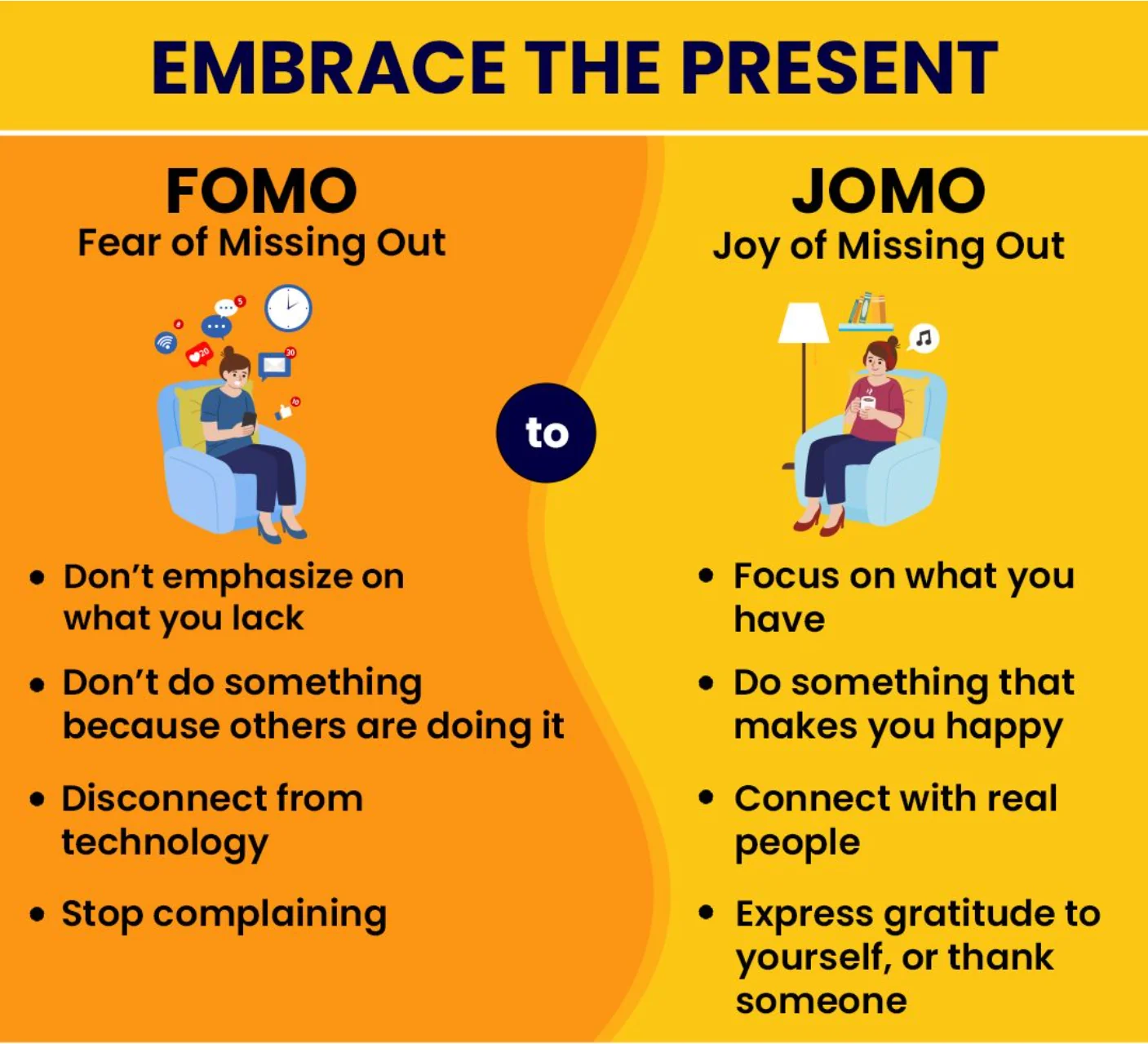 Elaborating FOMO and JOMO (Credit: The Wellness Corner)
Practical applications of JOMO typically involve establishing digital boundaries and performing "digital detoxes." This shift treats staying home on a Friday night as a symbol of luxury and self-regulation. However, the psychological mechanism behind this shift involves more than just a change in weekend plans; it represents a move toward mindfulness and a reduction in the anxiety caused by constant social comparison.
Research identifies distinct psychological profiles among those who opt out
Recent academic work has sought to move JOMO from a cultural buzzword to a measurable psychological construct. A dual-study analysis involving nearly 1,000 adults ages 18 to 59 examined how JOMO relates to social media use, mindfulness, and life satisfaction.
The first study used a variable-centered approach, finding that JOMO scores generally relate moderately to levels of social anxiety and social media use during daily activities. This suggests that for many, the "joy" of missing out is not an isolated trait but is closely tied to how a person manages their existing social anxieties. The second study utilized a person-centered approach, categorizing participants into four distinct classes based on their loneliness, social media habits, and JOMO levels.
Notably, the research found that a relatively low number of participants fell into the "high JOMO" cluster. This suggests that despite the cultural popularity of the term, the actual capacity to find genuine joy in missing out remains uncommon, as most people still maintain a fundamental preference for social connection.
The paradox of JOMO: Life satisfaction alongside internalizing struggle
One of the more significant findings for practitioners and mental health observers is the "double-edged" nature of JOMO. Participants in the high JOMO cluster reported high levels of life satisfaction and mindfulness, confirming that the ability to disconnect can lead to a more centered, fulfilling life.
However, this same group also reported higher levels of internalizing problems and social anxiety. This indicates that JOMO may often serve as a protective mechanism. For individuals who find social interaction or digital environments inherently taxing, the "joy" of missing out is a relief from stress rather than a simple preference for solitude. This distinction is critical: JOMO can be a state of positive self-perception for some, while for others, it may be a necessary retreat from the pressures of social anxiety.
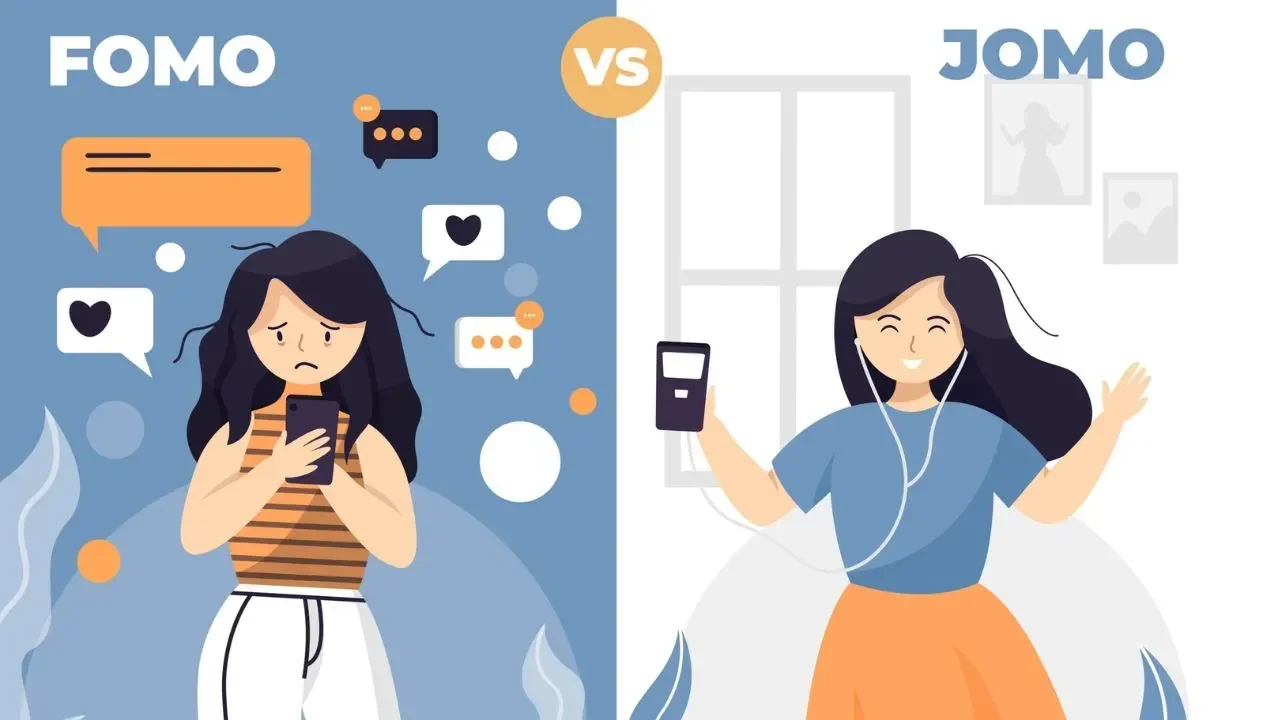 Restricting social media use can reduce feelings of comparison with others.
Implementing digital boundaries without social isolation
For those looking to adopt a JOMO-based lifestyle, the focus is often on the art of saying no without guilt. This involves recognizing the difference between a healthy boundary and total social withdrawal.
Experts suggest that the most effective way to practice JOMO is through "intentional disconnection." This means choosing specific times to be unreachable and being present in the current moment—a practice known as mindfulness. Rather than viewing JOMO as a permanent state, researchers suggest it may be more accurately viewed as a "state-based" construct, where the goal is to find temporary windows of relief from the digital noise to improve overall life satisfaction.
Future research is expected to focus more closely on the specific motives people have for missing out, helping to clarify when JOMO is a sign of robust mental health and when it is a symptom of social fatigue.
Comments (0)
Please login to comment
Sign in to share your thoughts and connect with the community
Loading...