
US Farmers Harvest Solar Energy: The Rise of Agrivoltaics

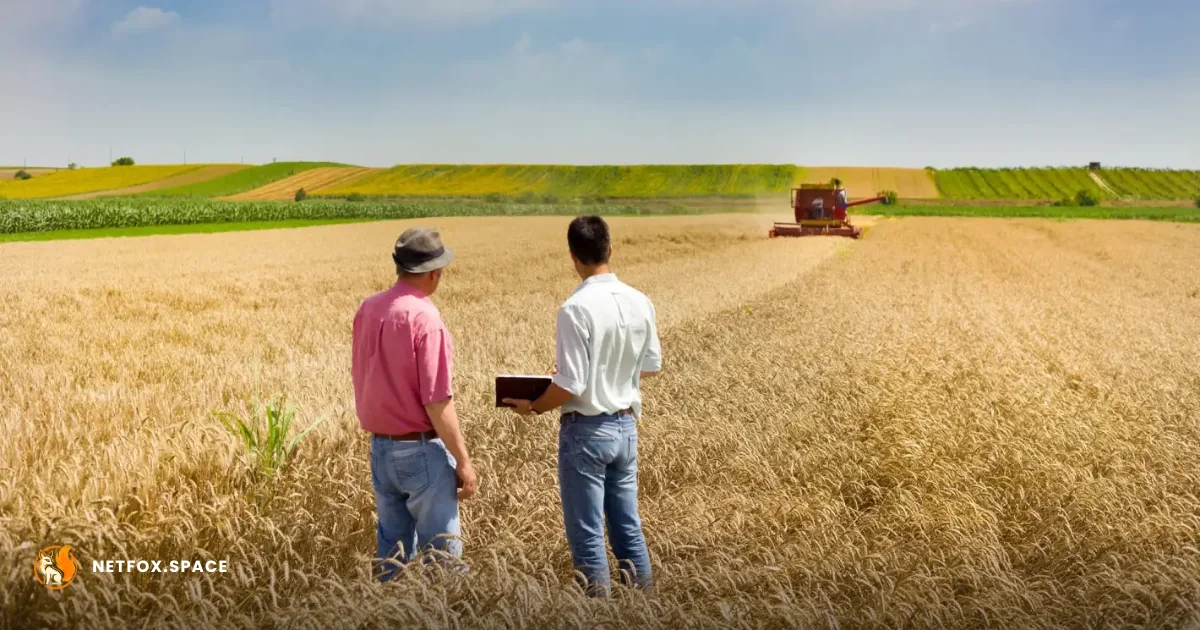
The Rise of "Farming the Sun" in the American Heartland
A growing movement across the United States is redefining the traditional definition of a "harvest." Farmers, particularly in the Midwest and Great Plains, are increasingly integrating utility-scale solar arrays into their active acreage. During a recent profile by the public radio program Science Friday, host Ira Flatow highlighted a transition toward "agrivoltaics"—a portmanteau of agriculture and photovoltaics. This practice allows for the simultaneous production of food and renewable energy on a single plot of land.
The adoption is driven by a necessity for economic stability in a volatile commodities market. Expert Jana Rose Schleis, a news producer at KBIA, noted that farmers like Linda Hetzel in Missouri began experimenting with these systems following severe droughts. By 2026, the trend has matured from niche experimentation into a mainstream financial strategy for the agriculture sector, with energy now being treated as a high-value, consistent crop.
Symbiotic Yields: How Agrivoltaics Mitigate Heat Stress
The immediate impact of agrivoltaics is found in the microclimatic synergy between the solar hardware and the biological crops. In high-heat regions, the shade provided by the panels protects sensitive produce—such as leafy greens and certain berry varieties—from solar scorching. This "shading effect" has been shown to reduce irrigation water demand by up to 30%, as the lower soil temperatures prevent rapid evaporation.
Conversely, the crops provide a technical benefit to the energy infrastructure. As plants breathe, they undergo transpiration, releasing moisture that naturally cools the underside of the solar panels. Because the efficiency of photovoltaic cells drops as they overheat, this biological cooling system can increase electricity output by 5% to 10%. This symbiotic relationship effectively turns the farm into a self-cooling, energy-efficient power plant.
The Financial Pivot: Energy as a High-Value, Low-Risk Commodity
While traditional crop farming is subject to the whims of weather and global trade tariffs, energy production offers a fixed-rate, long-term revenue stream. Madhu Khanna, a professor of environmental economics at the University of Illinois, identifies energy as a "lower-risk commodity" that can provide a steady fallback during years of poor crop yield. One rancher in Oklahoma famously reported to the National Renewables Energy Laboratory that he now generates more profit per acre from his wind and solar leases than from ranching cattle.
This shift represents a fundamental change in rural land management. By 2026, it is projected that over 35% of global farms will utilize some form of renewable energy generation. The "harvest" is no longer just biological; it is a data-backed, kWh-calculated product that is sold directly into the central banking system of the energy grid via power purchase agreements (PPAs). For many family farms, this secondary "crop" is the difference between foreclosure and generational sustainability.
Economic Comparison: Traditional vs. Agrivoltaic Land Use (2026 Estimates)
| Metric | Traditional Mono-Cropping | Agrivoltaic Integrated Farm |
|---|---|---|
| Primary Revenue | Corn/Soy/Wheat | Energy (kWh) + Specialty Crops |
| Risk Profile | High (Weather/Market Volatility) | Low (Fixed Energy Contracts) |
| Water Efficiency | Baseline (1.0x) | Optimized (1.3x) |
| Land Value | Tied to Soil Quality | Tied to Grid Interconnectivity |
| Avg. Profit Margin | 10–15% | 22–30% |
Systemic Impact on Rural Land Value and Energy Security
The broader implication of this trend is the "grid-ification" of agricultural land. As farms become decentralized power hubs, the value of land is increasingly tied to its proximity to high-voltage transmission lines rather than just soil fertility (measured by the Corn Suitability Rating). This has led to a surge in investment from the consumer electronics sector and green energy firms looking to lease acreage for 25-year terms.
Furthermore, this decentralized energy production strengthens national energy security. By spreading generation across millions of acres of farmland rather than concentrating it in a few massive plants, the Department of Energy (DOE) can create a more resilient, "hardened" grid. For the farmers, this means access to three-phase power for advanced automation, such as John Deere autonomous tractors and AI-driven irrigation systems, which were previously too energy-intensive for remote rural locations.
The Future of the "Carbon Crop"
Looking toward the late 2020s, the next "harvest" for farmers will be the carbon sequestered in their soil. By pairing agrivoltaics with regenerative practices, landowners can generate farmland carbon credits, which are expected to increase average farm income by up to 15% globally by 2026. This transforms the farmer from a simple food producer into a multifaceted manager of energy, carbon, and data.
However, the rapid expansion of these solar arrays has triggered regulatory friction. In some United States counties, "prime farmland" protections are being used to block solar developments, fearing a loss of food-producing capacity. The forward tension of the next decade will be the battle between "Food First" zoning laws and the economic reality of "Energy First" farming, as the global population demands both more calories and more kilowatts from the same finite acreage.
References:
Comments (0)
Please login to comment
Sign in to share your thoughts and connect with the community
Loading...