


For students entering the job market this summer, the difference between an interview invite and a rejection often comes down to evidence. While many applicants list generic traits like "hard worker" or "team player," employers are increasingly looking for specific markers of reliability and functional soft skills that can be verified through past behavior.
Maintaining a minimalist resume layout for maximum impact
The most effective student resumes prioritize clarity over visual flair. High-value candidates often adopt a clean, professional formatting style similar to the standards used by elite academic institutions. This means avoiding flashy graphics, complex multi-column layouts, or excessive color, which can distract from the content and occasionally confuse automated screening tools.
A "clean" CV allows a recruiter to scan for your education, work history, and skills in under ten seconds. By sticking to a simple, chronological format, you signal professional maturity and an understanding of corporate communication standards.
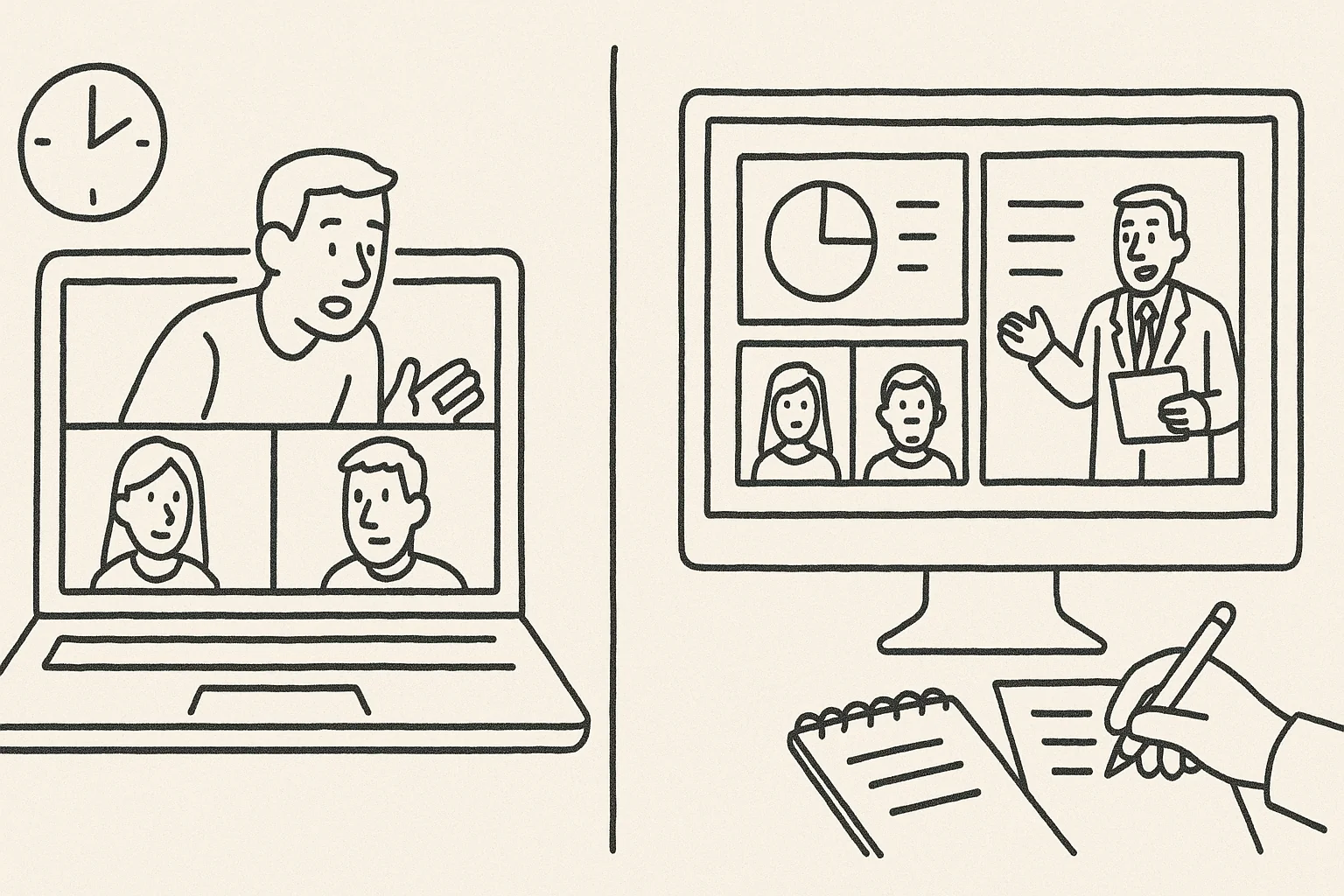 Before your interview, browse the company’s website and social media channels. With a basic understanding of the company’s products or services, mission and culture, you can quickly set yourself apart from other candidates. If possible, check out your interviewer’s LinkedIn profile as well. Putting a face to a name can help ease your nerves and provide insight into the interviewer’s professional background and interests.
Proving reliability through academic and part-time consistency
Reliability is the most sought-after trait for entry-level roles, yet it is the hardest to prove without a long work history. Students can bridge this gap by translating academic habits into professional assets. Instead of simply stating you are "dependable," provide evidence of your consistency.
Specific examples include maintaining a perfect attendance record for lectures, consistently meeting tight deadlines for complex projects, or punctuality in a part-time retail or service role. These data points act as proxies for professional work ethic. They tell a hiring manager that you are likely to arrive on time and complete assigned tasks without constant supervision.
 A strong resume should outline your hard and soft skills as they relate to the job.
Developing "High-Income" soft skills this summer
Beyond basic dependability, students should use the summer months to cultivate transferable skills that have high market value, such as problem-solving, customer service, and effective communication.
Problem-solving is best demonstrated by describing a time you identified a friction point—whether in a club, a volunteer position, or a classroom setting—and implemented a solution. Similarly, if you take a summer job in hospitality, focus on how you managed difficult interpersonal dynamics. These "soft" skills are often what employers prioritize during the screening process because they are harder to teach than technical tasks. Evidence of teamwork and a positive, solution-oriented attitude can often outweigh a lack of direct industry experience.
Comments (0)
Please login to comment
Sign in to share your thoughts and connect with the community
Loading...