
Wombat Facts: Habitat, Cubic Scat, and Australian Wildlife Law

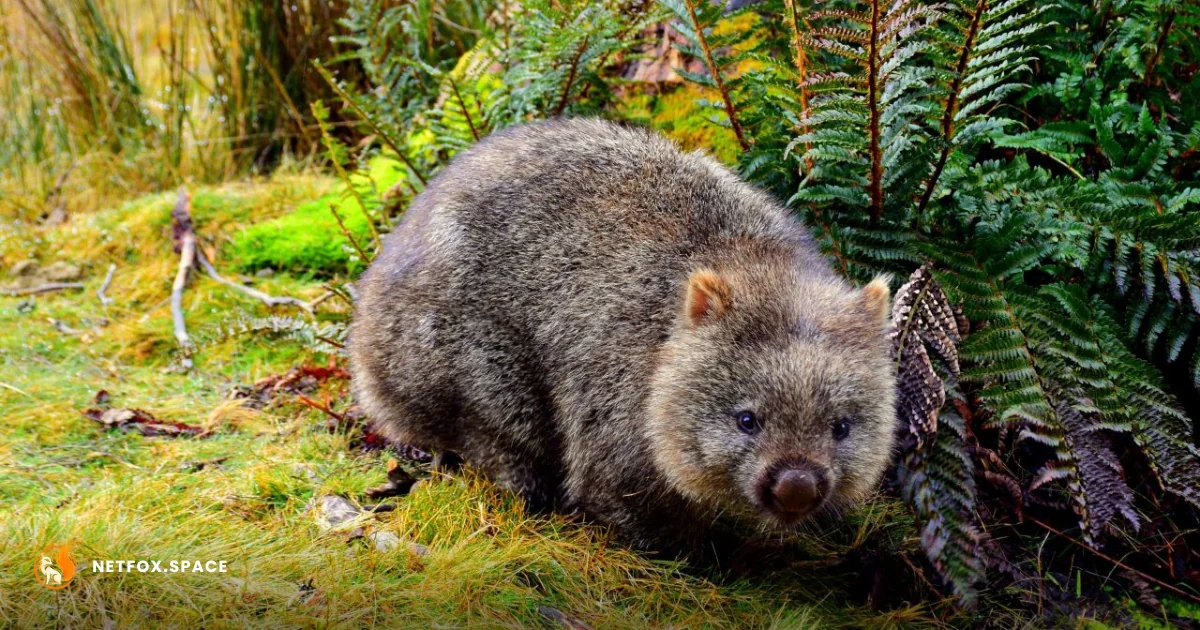
The Biological Blueprint of the Vombatus Ursinus
The Common Wombat (Vombatus ursinus) is a stocky, short-legged marsupial native to the forested, mountainous, and heathland regions of southeastern Australia. As the world’s largest burrowing herbivore, their physiology is defined by extreme adaptations for life underground. Their backward-facing pouches prevent soil from entering while digging, a critical evolutionary shift from other marsupials like the Eastern Grey Kangaroo.
Their most famous biological quirk—cubic droppings—is a sophisticated moisture-retention mechanism. As food moves through the final 25% of the intestine, the walls stretch unevenly to mold the waste into cubes. This allows the animals to stack their scat on rocks or logs to mark territory without the markers rolling away, a vital communication tool in the sparse Australian bush.
Subterranean Architects: Ecosystem Impact
Wombats are categorized as "ecosystem engineers" because their extensive burrowing systems fundamentally alter the landscape. A single wombat may maintain up to a dozen burrows within its home range, creating a complex underground network that can reach 30 meters in length. During the 2019-2020 Black Summer bushfires, these burrows provided critical thermal refuge for other species, including small mammals and reptiles.
These burrows do more than provide shelter; they facilitate soil aeration and nutrient cycling. By turning over massive amounts of earth, wombats bring deep-soil minerals to the surface, promoting the growth of native flora. This structural intervention is essential for the health of the Australian temperate forest and alpine ecosystems.
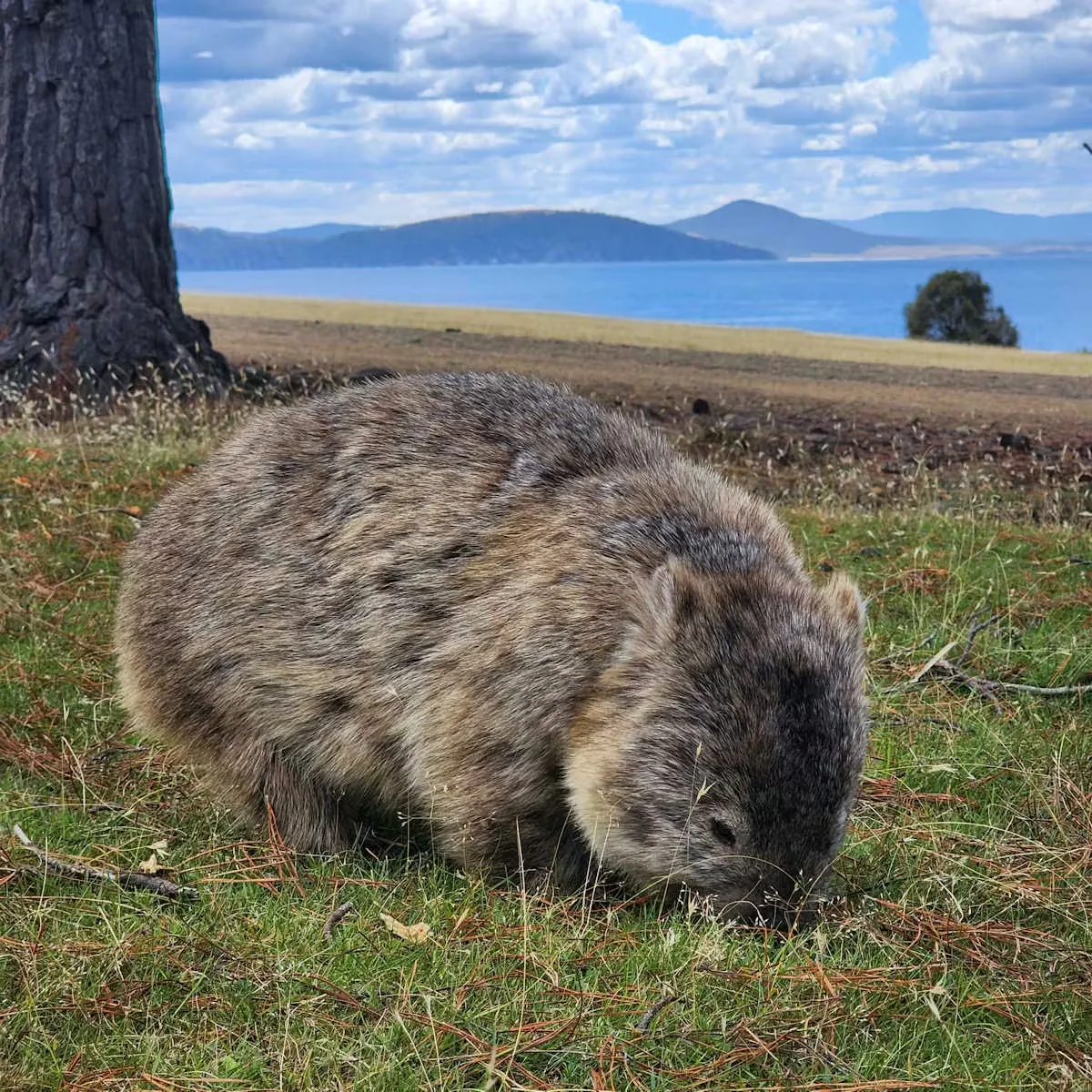 The Domestic Paradox: Why "Cute" Does Not Equal "Pet"
The Domestic Paradox: Why "Cute" Does Not Equal "Pet"
While public interest often frames the wombat as a desirable pet due to its cuddly appearance, the Vombatidae family is largely unsuitable for domestication. In every Australian state and territory, it is illegal to keep a wombat as a pet without a specific, high-level wildlife rehabilitator permit. These permits are temporary and mandate that the animal must be released back into the wild once healthy.
The "pet" misconception stems from the animal's behavior as a joey (infant), where they are highly affectionate and follow caregivers closely. However, upon reaching sexual maturity, their behavior shifts toward extreme territoriality and aggression. A mature wombat can weigh up to 40kg and possesses the strength to bulldoze through fences and interior walls, making domestic cohabitation destructive for the home and stressful for the animal.
Wombat Species Comparison
| Feature | Common Wombat | Southern Hairy-Nosed | Northern Hairy-Nosed |
|---|---|---|---|
| Scientific Name | Vombatus ursinus | Lasiorhinus latifrons | Lasiorhinus krefftii |
| Primary Habitat | Wet forests / Alpine | Arid scrub / Grassland | Semi-arid woodland |
| Status | Stable | Near Threatened | Critically Endangered |
| Unique Trait | Toughest dermal shield | Large ears / Soft fur | Rarest Australian mammal |
Evolutionary Defense: The Dermal Shield Mechanism
The wombat’s primary defense against predators like the Dingo is located on its posterior. This "dermal shield" consists of thick skin, cartilage, and bone that is nearly impenetrable to bites or scratches. When a predator pursues a wombat into its burrow, the wombat blocks the entrance with its rear, effectively creating a biological door.
Beyond passive defense, the wombat uses this shield as an offensive tool. If a predator attempts to reach over the wombat’s rump, the marsupial can use its powerful legs to "crunch" the predator's skull or chest against the roof of the burrow. This specialized combat strategy is unique among burrowing mammals and highlights the high stakes of subterranean survival.
Conservation Risks and Urban Encroachment
Despite their resilience, wombats face significant systemic threats from urban expansion and introduced diseases. Sarcoptic mange, caused by the Sarcoptes scabiei mite, is currently the most devastating health crisis facing the species. The mites cause intense itching and skin thickening, leading to secondary infections, blindness, and eventual death if untreated.
Habitat fragmentation also increases the frequency of roadkill incidents, which is the leading cause of death for wombats in populated regions like the Blue Mountains and Central Highlands. As human infrastructure intersects with wombat territories, the pressure on local populations grows, necessitating more robust wildlife corridors and public education on the realities of living alongside these powerful excavators.
The survival of the Northern Hairy-nosed Wombat, currently one of the rarest mammals on Earth with a population hovering around 300 individuals, remains a critical point of concern for federal environmental agencies.
References:
-
Wombat Awareness Organisation (https://www.wombatawareness.com)
-
Australian Department of Climate Change, Energy, the Environment and Water (https://www.dcceew.gov.au)
-
WIRES Wildlife Rescue (https://www.wires.org.au)
Comments (0)
Please login to comment
Sign in to share your thoughts and connect with the community
Loading...