


Beqa Lagoon Research Identifies Non-Random Shark Associations
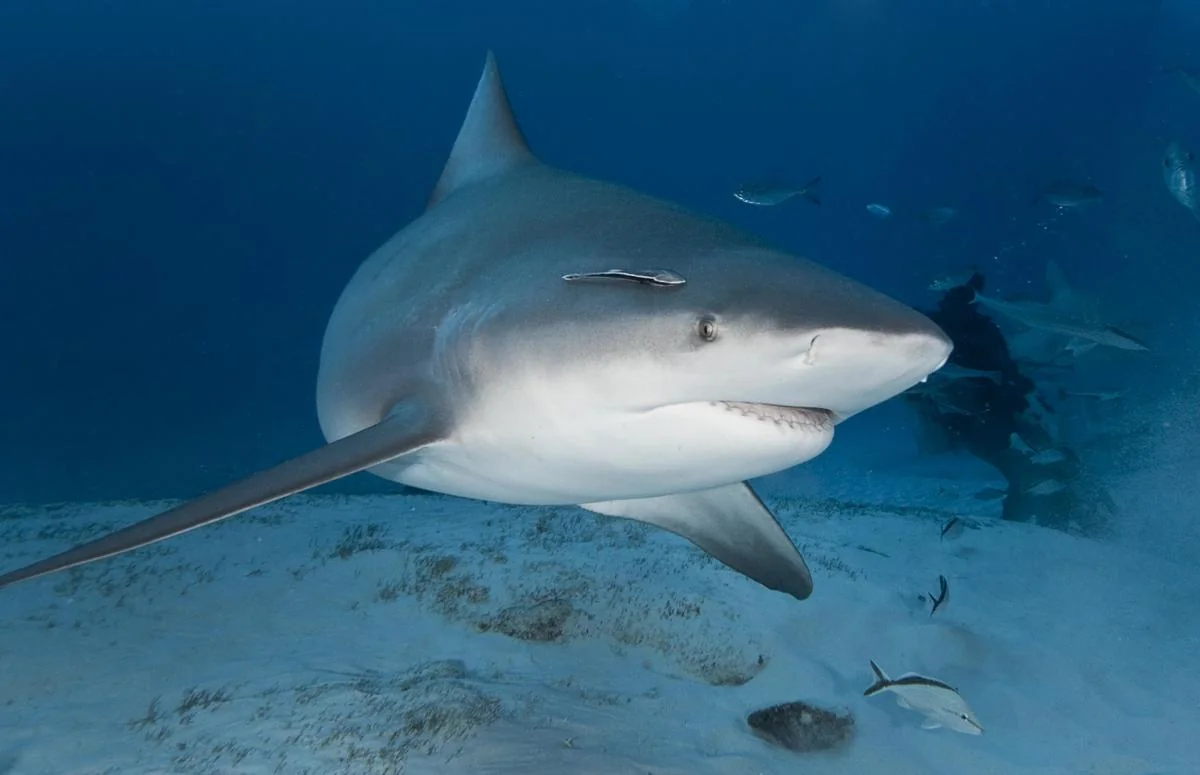
A long-term study of 184 bull sharks (Carcharhinus leucas) within Fiji’s Beqa Lagoon has fundamentally altered the biological understanding of elasmobranch behavior. Researchers monitored these apex predators over several years, utilizing acoustic telemetry and direct observation to track interaction patterns.
The data reveals that bull sharks do not aggregate purely by chance or solely due to environmental factors like food availability. Instead, certain individuals consistently sought out the company of specific peers, maintaining these "friendships" across multiple seasons. This suggests a level of social complexity previously thought to be reserved for mammals or highly cognitive avian species.

The Mechanism of "Symmetrical Preferences" in Marine Predators
The core of the findings, published by an international team of marine biologists, centers on "symmetrical preferences." In social network analysis, this occurs when two individuals actively choose to spend time together, rather than one following the other or both being drawn to the same resource.
Within the Fiji shark sanctuary, researchers documented pairs that remained stable even as the wider population shifted. These social structures appear to be influenced by size and sex, but individual "personality" traits specifically boldness and sociability played a significant role in how these networks formed.

The Evolutionary Advantage of Shark "Friendships"
While traditional marine biology frames shark behavior through the lens of competition, this study introduces the necessity of analyzing cooperative foraging and risk mitigation. By forming loose social clusters, bull sharks may reduce the energy expenditure required to locate prey or navigate the complex reef systems of the South Pacific.
Unlike schooling fish that move in tight, defensive formations, bull shark "friendships" are more akin to fission-fusion societies seen in chimpanzees or dolphins. They separate to hunt but return to specific social hubs, suggesting that the "solitary hunter" trope is an ecological oversimplification. This sociality likely provides a structural buffer against environmental shifts, allowing younger sharks to learn migratory routes or hunting grounds from established "hubs" in the network.
Implications for Marine Protected Areas and Eco-Tourism
The discovery of shark sociality carries significant weight for the marine conservation sector and the management of Marine Protected Areas (MPAs). If sharks rely on specific individuals for social cohesion, the removal of a single "influencer" shark via illegal fishing or culling could destabilize the entire local population's behavioral patterns.
In Fiji, where shark diving is a cornerstone of the eco-tourism industry, these findings validate the "community-based" approach to conservation. Protecting a site like Beqa Lagoon isn't just about preserving a habitat; it's about maintaining a social theater where critical biological information is passed between generations.
Future Risk: Behavioral Shifts in a Warming Ocean
As global sea temperatures rise, the distribution of prey species is shifting, forcing bull sharks to travel further and potentially dissolve these documented social bonds. The energetic cost of maintaining "friendships" may become too high if individuals are forced into perpetual search patterns for food.
This degradation of social structure could lead to increased intra-species conflict and a breakdown in the transfer of migratory knowledge. The resilience of the bull shark a species known for its ability to inhabit both salt and freshwater is now inextricably linked to the stability of its social networks.
Comments (0)
Please login to comment
Sign in to share your thoughts and connect with the community
Loading...