
How Bumblebee Queens Survive Floods: New Science Explained

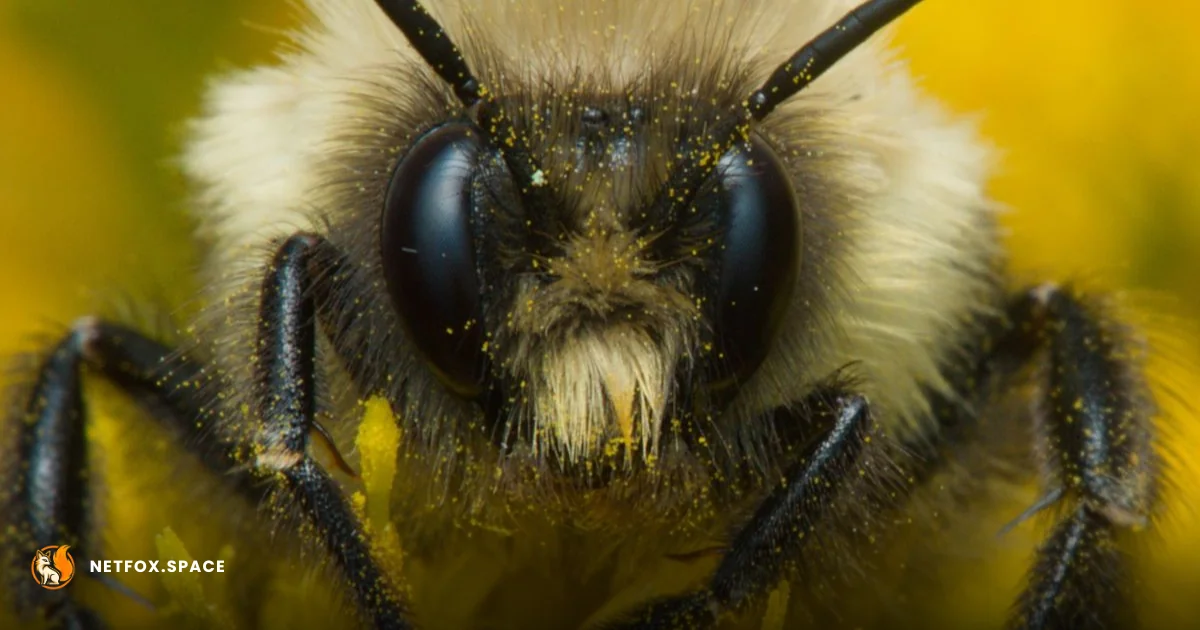
Discovery of Extraordinary Submersion Tolerance in Bombus impatiens
Biologists at the University of Guelph have documented a rare physiological phenomenon where queen bees of the species Bombus impatiens (Common Eastern Bumblebee) survived total underwater submersion for periods ranging from one to seven days. The discovery occurred accidentally during a laboratory mishap where water entered hibernation containers, prompting a controlled study to verify the insects' resilience.
This finding challenges previous assumptions regarding the vulnerability of terrestrial pollinators to environmental saturation. In the experimental trials, 81% of the queens that were submerged survived the duration of the flood, showing no significant difference in survival rates compared to the dry control group.
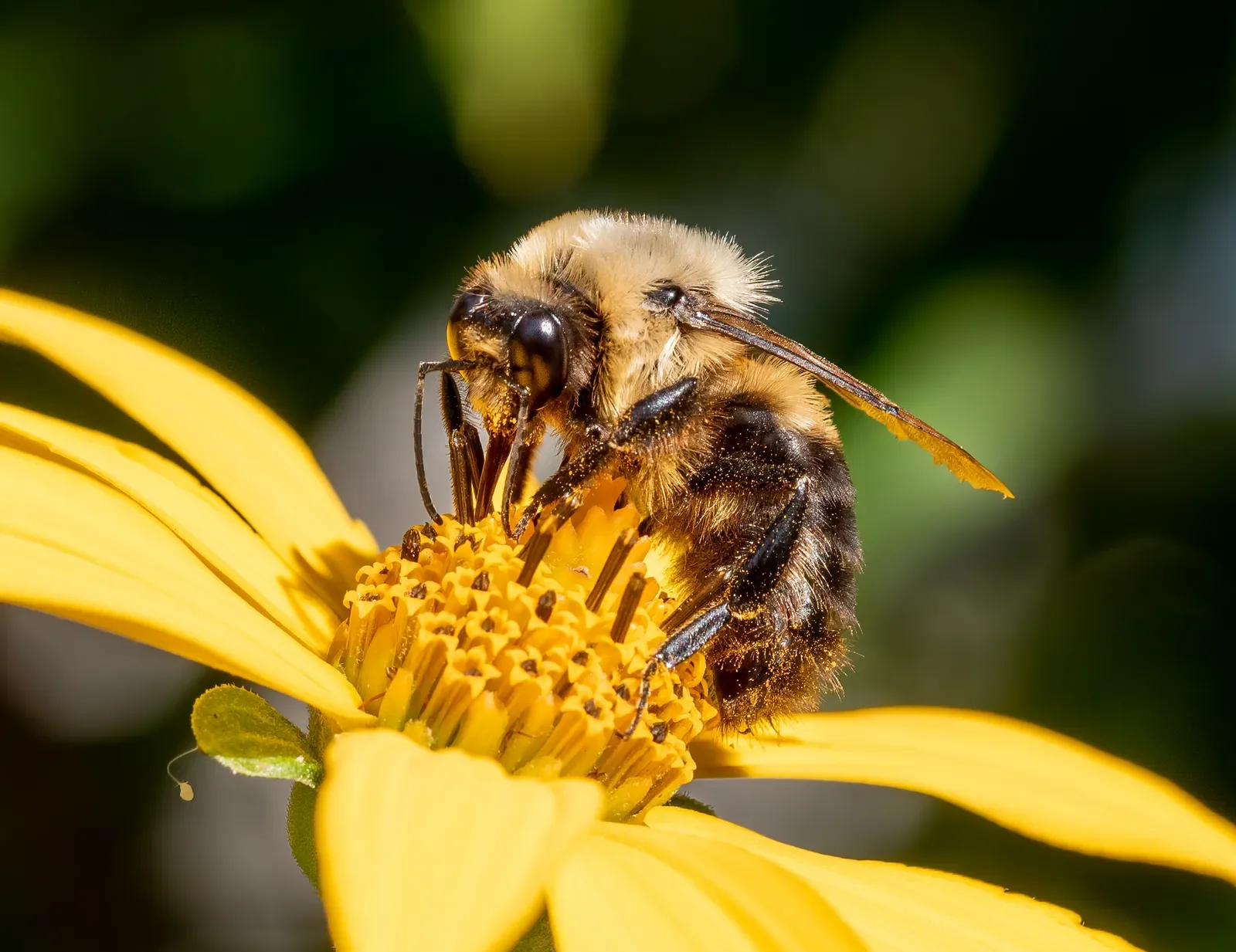
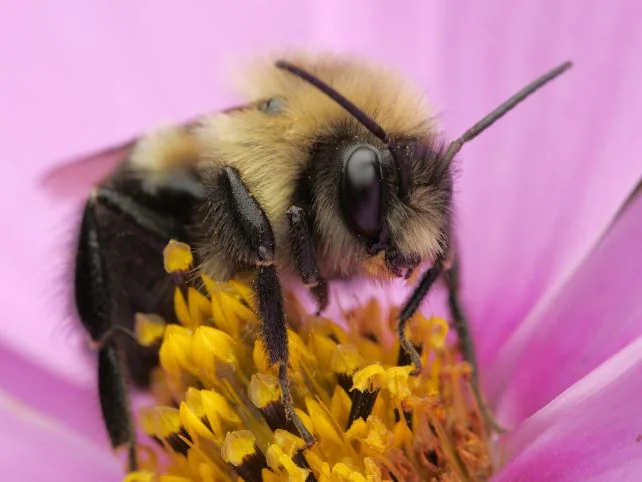 Bee floof.
Diapause and the Mechanism of Reduced Metabolic Demand
The survival of these queens is inextricably linked to diapause, a state of suspended animation characterized by a drastic reduction in oxygen consumption. During this phase, the respiratory requirements of the Hymenoptera order specifically ground-nesting bees drop to nearly undetectable levels.
Unlike most insects that rely on active tracheal ventilation, hibernating queens may utilize passive gas exchange or cuticular respiration. This metabolic depression allows the organism to withstand environments that would typically cause rapid asphyxiation in active insects.
The Evolutionary Shield Against Extreme Hydrological Events
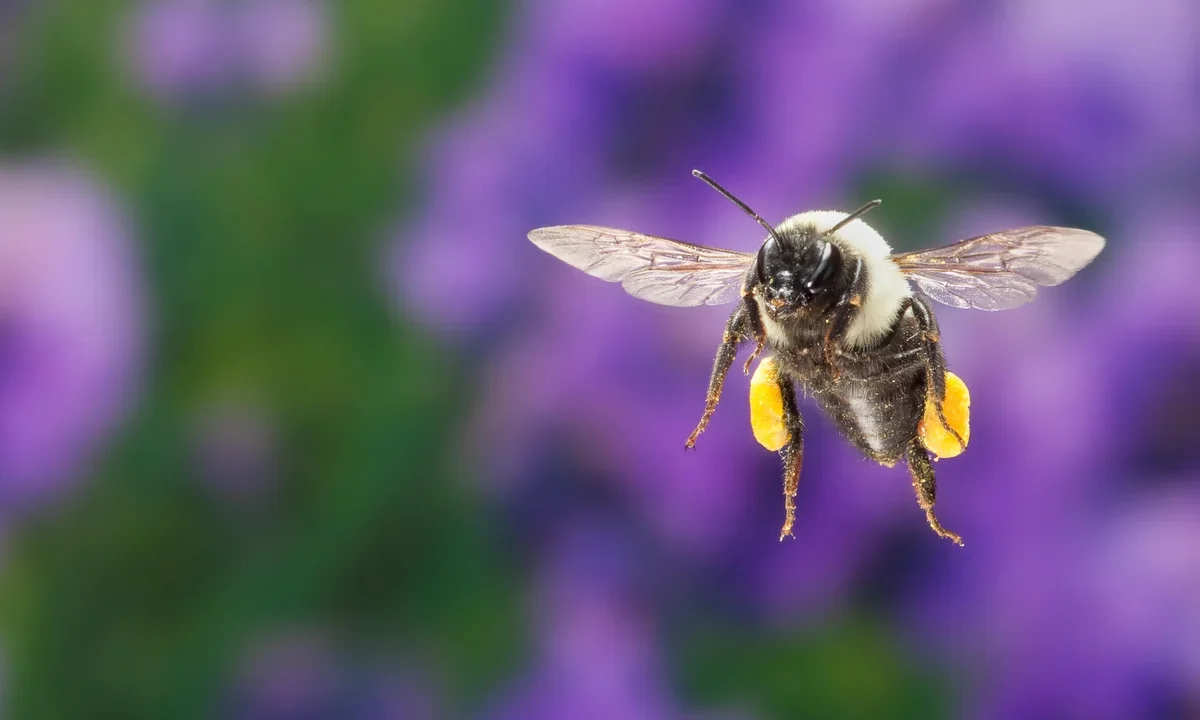
While most research on pollinator decline focuses on pesticides and habitat loss, this study highlights an overlooked evolutionary adaptation: flood resistance. This specific "Information Gain" reveals that ground-nesting species have developed a structural fail-safe against the "drowning" of colonies during increasingly frequent extreme weather events.
Most competitors frame this as a "surprising fluke," but the deeper implication is a specialized adaptation of the Apidae family to survive in soil that may become periodically anaerobic. This suggests that while heatwaves and droughts are immediate threats to floral resources, the queens themselves possess a biological "waterproofing" that protects the next generation’s genetic lineage from unpredictable spring floods.
Implications for Pollinator Conservation and Ecosystem Stability
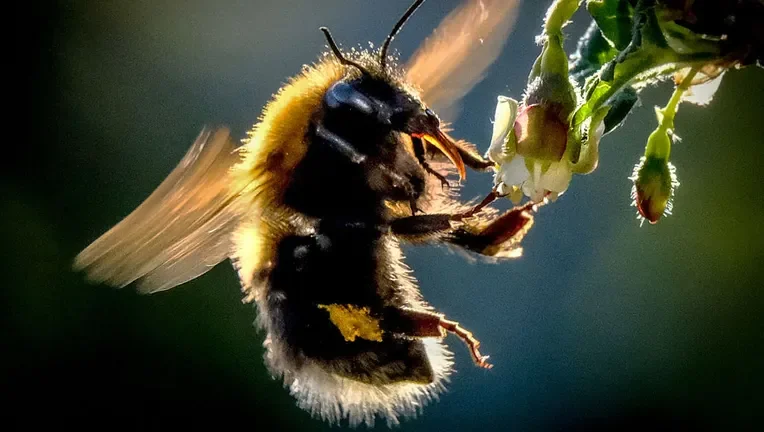
The resilience of the Common Eastern Bumblebee provides a potential explanation for why certain species maintain stable populations despite shifting precipitation patterns in the Northeast United States and Canada. If the primary reproductive units (the queens) can survive seasonal deluges, the species may be more "climate-proof" than aerial or cavity-nesting competitors.
However, researchers caution that this resilience may be species-specific. The biotech sector and agricultural planners must now consider whether other, more endangered bumblebee species share this trait or if they remain hyper-vulnerable to soil saturation.
Comparative Survival Data: Submersion vs. Control
| Duration of Submersion | Survival Rate (Submerged) | Survival Rate (Control) | Physiological State |
|---|---|---|---|
| 1 Day | 81% | 84% | Deep Diapause |
| 7 Days | 81% | 84% | Deep Diapause |
| Post-7 Days | High | High | Recovery / Normal |
Future Vulnerabilities: Thermal Stress and Emerging Risks
While the queens can survive the physical presence of water, the interplay between rising soil temperatures and flooding remains a critical unknown. Warmer winters may trigger a "break" in diapause, causing metabolic rates to spike while the queen is still submerged, potentially leading to rapid oxygen depletion and death.
As climate models project a higher frequency of "rain-on-snow" events, the focus of entomological research shifts from simple survival to the long-term fitness of these queens. The ultimate risk lies in whether these survivors can still successfully establish colonies after the high-stress experience of a week spent underwater.
Comments (0)
Please login to comment
Sign in to share your thoughts and connect with the community
Loading...