
Monarch Butterfly Population Rises 64% in Mexico Forests

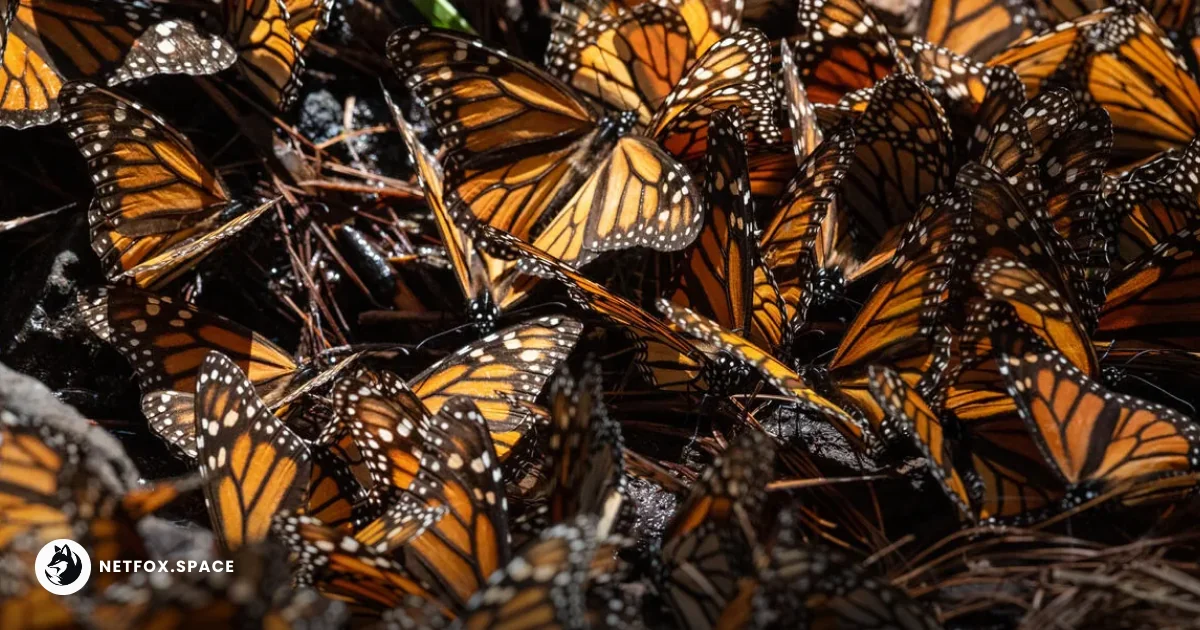
Expansion of Overwintering Colonies in Michoacán and Estado de México
The most recent census conducted by the Commission for National Protected Natural Areas (CONANP) and WWF Mexico confirms that Monarch butterfly (Danaus plexippus) populations occupied 2.89 hectares of forest during the 2025-2026 winter season. This represents a 64% increase from the 1.76 hectares recorded in the previous year.
The monitoring, focused on the Monarch Butterfly Biosphere Reserve, identified nine total colonies six located within the protected reserve and three situated in external communal lands. This spatial distribution suggests a concentrated return to traditional Oyamel fir forests, which provide the microclimate necessary for the species' survival during the dormant winter months.
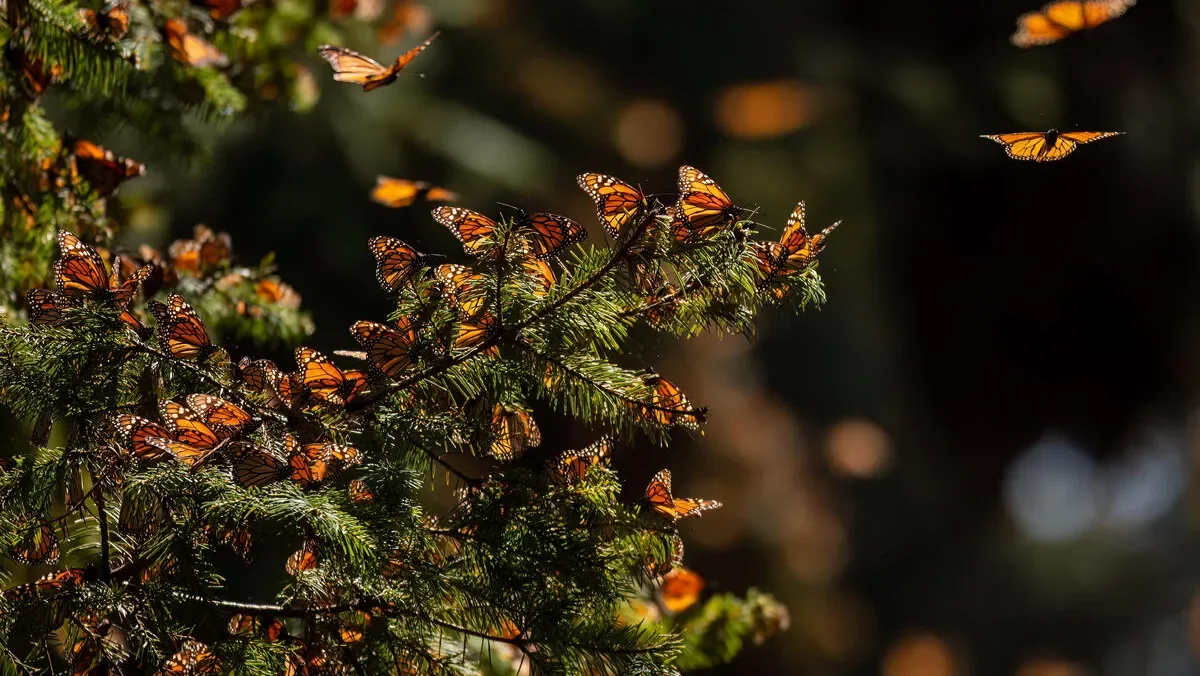 © WWF-US / McDonald Mirabile
Climatic Synchronization and Migration Success Factors
The rebound is attributed to a "goldilocks" window of environmental conditions during the spring and summer breeding seasons in the United States and Canada. Favorable temperatures and timely rainfall led to an abundance of common milkweed (Asclepias syriaca), the sole food source for Monarch larvae.
Furthermore, the "Methuselah" generation the migratory cohort that lives up to eight months encountered fewer extreme weather disruptions during their 3,000-mile journey south. Reduced drought intensity along the Central Flyway allowed for higher nectar availability, ensuring the butterflies arrived at the Mexican high-altitude forests with sufficient lipid reserves for the winter.
The "False Recovery" Paradox: Why Density Does Not Equal Stability
While the 64% surge is statistically significant, it masks a deeper ecological fragility that conservationists call the "baseline shift." In the mid-1990s, Monarchs regularly occupied over 18 hectares; the current 2.89 hectares remains well below the 6-hectare threshold identified by scientists as the minimum for a self-sustaining population resilient to stochastic events.
The 2026 data reveals an increasing "density per hectare" rather than a broad geographic expansion. This concentration makes the entire eastern migratory population hyper-vulnerable to single-event catastrophes, such as the 2002 winter storm that killed an estimated 75% of the overwintering population in a matter of days. Current population gains are "volatile capital" easily wiped out by one unseasonal frost or a heatwave in the Midwestern "Corn Belt."
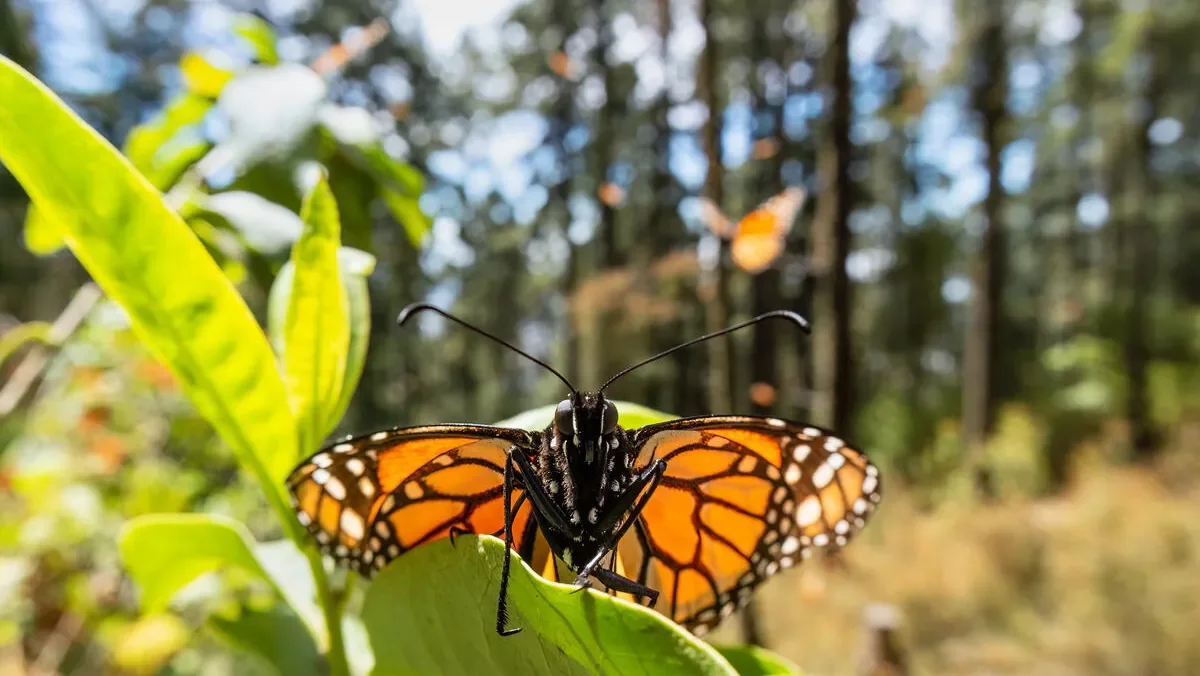 © McDonald Mirabelle / WWF-US
Structural Threats: Degraded Buffer Zones and Illegal Logging
Despite the numerical increase, the quality of the Firme and Oyamel forest canopy is under continuous pressure. Analysis of the core zone indicates that while large-scale clear-cutting has diminished due to community-led surveillance, "formicid" or small-scale selective logging continues to thin the canopy.
| Threat Category | Impact on 2026 Population | Long-term Structural Risk |
|---|---|---|
| Forest Degradation | Moderate (Canopy thinning) | High (Loss of thermal insulation) |
| Pesticide Use | High (Glyphosate in US/Canada) | Extreme (Loss of breeding habitat) |
| Climate Change | Low (This season) | Extreme (Shift in bloom timing) |
| Illegal Logging | Decreasing | Moderate (Localized impact) |
Thinning of the forest canopy reduces the "blanket effect" that protects the butterflies from freezing temperatures. As the canopy opens, the forest floor loses its ability to retain heat, leaving the clustered butterflies exposed to fluctuating ambient temperatures that can trigger premature activity and energy depletion.
The Looming Shift in Phenological Synchronization
The survival of the Monarch is increasingly threatened by the decoupling of migration timing and floral resource availability. As global temperatures rise, the "green-up" of milkweed in the north is occurring earlier, while the butterflies’ departure from Mexico remains tied to day-length (photoperiod).
This mismatch means that by the time the first generation of Monarchs reaches the Southern United States, the milkweed may already be too mature or too fibrous for optimal larval growth. The 2026 data highlights a successful year of synchronization, but the widening gap between temperature-driven plant cycles and light-driven insect cycles remains a fundamental risk to the migratory phenomenon.
Comments (0)
Please login to comment
Sign in to share your thoughts and connect with the community
Loading...