
NASA Watchdog Warns of Critical Artemis Lander Safety Gaps

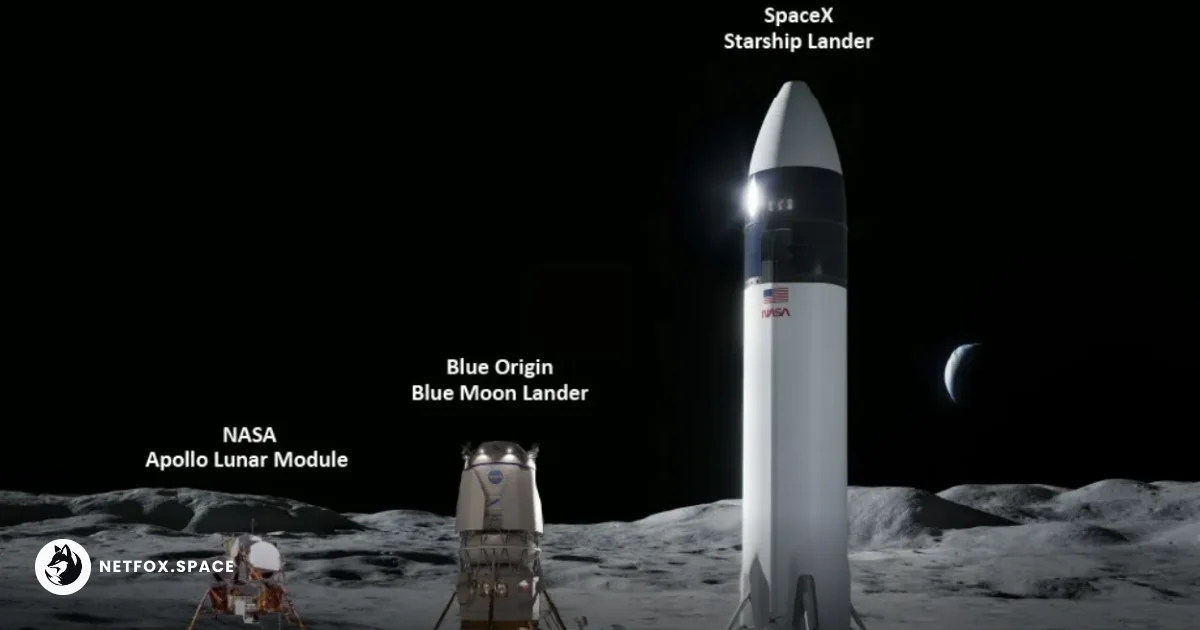
The Race to the Moon: Artemis III Facing Significant Headwinds
NASA’s ambitious goal of returning humans to the lunar surface by September 2026 is under increasing pressure. A recent report from the Government Accountability Office (GAO) has sounded the alarm, suggesting that the development of the Human Landing System (HLS) is significantly behind schedule.
While the Artemis II mission a crewed flyby of the Moon remains on a relatively stable path for 2025, the Artemis III landing mission is grappling with technical and logistical hurdles that could push the timeline back by years.
Why the Human Landing System (HLS) is the Bottleneck
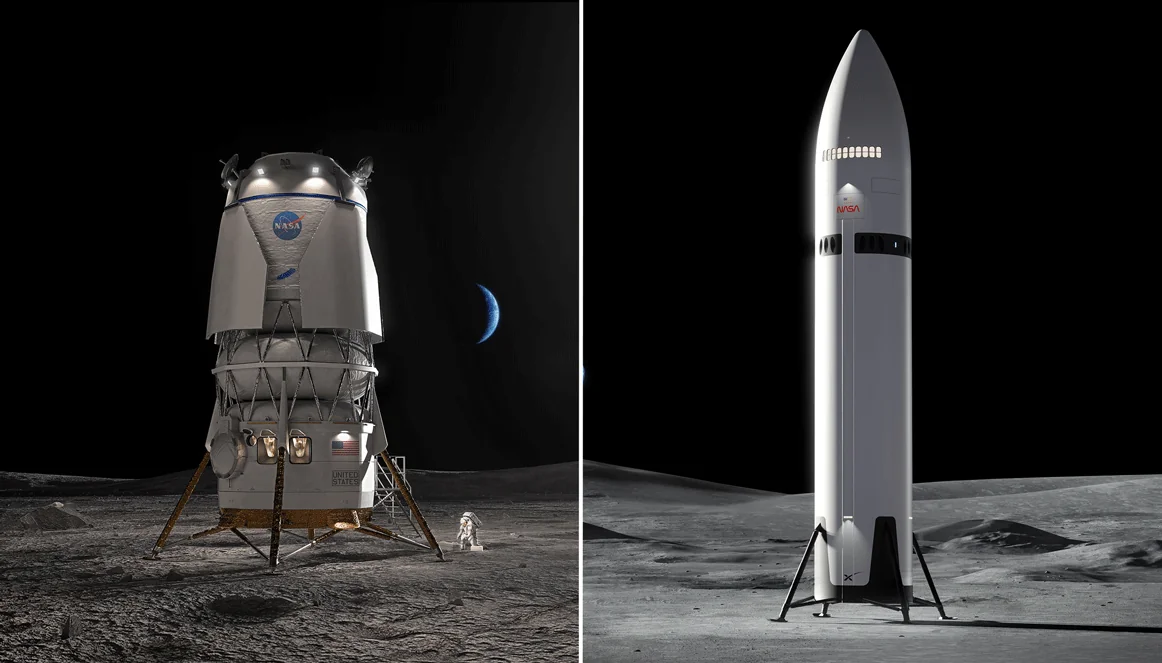
The HLS is the vehicle designed to take astronauts from lunar orbit down to the surface and back. NASA has contracted two major aerospace players for this task: SpaceX (with Starship) and Blue Origin (with Blue Moon). However, the GAO report points out that both providers are navigating uncharted technical waters.
SpaceX Starship: The Propulsion Challenge
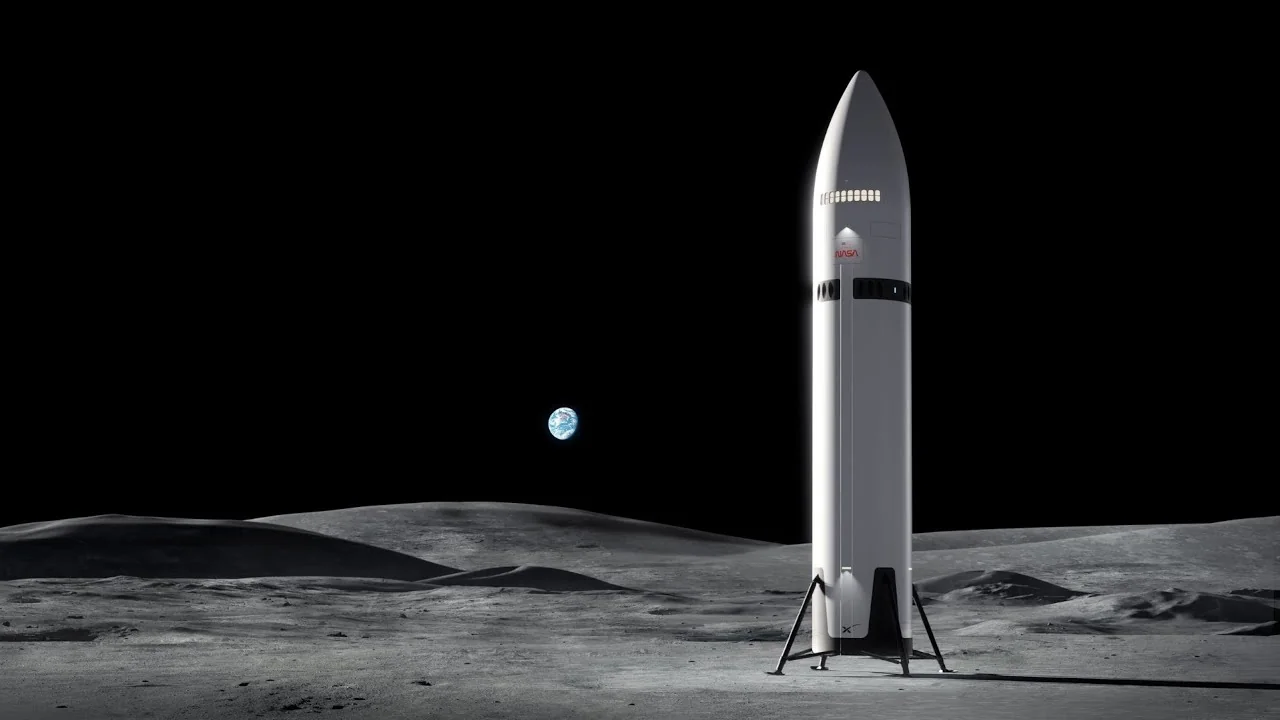
SpaceX’s Starship HLS requires a complex "ship-to-ship" propellant transfer in low Earth orbit. To reach the Moon, Starship must be refueled by multiple "tanker" flights.
-
The Delay: Testing for large-scale cryogenic fuel transfer has not yet been fully realized.
-
Booster Turnaround: The frequency of Starship launches needed to support a single Moon mission is unprecedented, raising concerns about launch pad infrastructure.
Blue Origin: Early Stage Development
While Blue Origin was selected later as a second provider for the Artemis V mission, their progress is also being closely monitored. The challenge remains the same: developing a sustainable, reusable landing system that meets NASA’s rigorous safety standards within a compressed timeframe.
The GAO’s Findings: A Timeline in Jeopardy
The GAO report emphasizes that NASA’s current schedule is "optimistic." Historically, complex space flight projects of this magnitude take several years longer than the current Artemis III projection.
-
Technical Maturity: Many critical systems are still in the early stages of design or testing.
-
Budgetary Constraints: Fluctuating funding levels for NASA can lead to "stop-and-go" development, further pushing back deadlines.
-
Dependency on Commercial Partners: NASA is more dependent than ever on the private sector, meaning any setback for SpaceX or Blue Origin is a direct setback for the U.S. space program.
What This Means for International Space Exploration
The delays aren't just a concern for the United States. The Artemis Accords include dozens of international partners who are planning their own lunar contributions and scientific missions based on NASA’s timeline.
If Artemis III is delayed beyond 2026, it could shift the geopolitical landscape of space, potentially allowing other nations to narrow the gap in the new "Space Race" to the lunar south pole.
Looking Ahead: Can NASA Bridge the Gap?
NASA officials maintain that they are working closely with contractors to mitigate risks. Steps are being taken to streamline testing and prioritize the most critical systems. However, the GAO suggests that a more realistic assessment of the timeline is necessary to manage expectations and ensure astronaut safety.
Comments (0)
Please login to comment
Sign in to share your thoughts and connect with the community
Loading...