
Medieval Denmark Leprosy Burial Study Challenges Status Norms

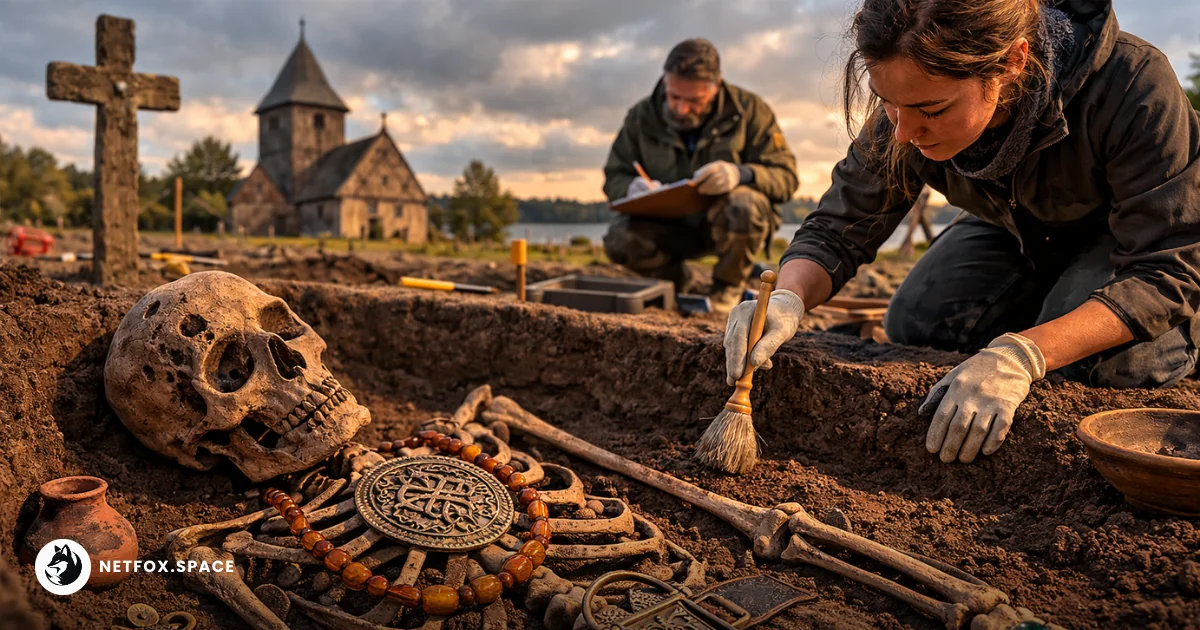
The Spatial Hierarchy of Medieval Danish Cemeteries
In the ecclesiastical landscape of Medieval Denmark, the geography of the graveyard served as a permanent ledger of social standing. Proximity to the church building—and specifically the choir and altar—was the ultimate indicator of prestige, reserved for the wealthy and influential.
Archaeological excavations across several Danish sites, including the Sankt Jørgens Gård (St. George’s) leper hospitals, have historically suggested a rigid separation of the sick. However, new skeletal analysis indicates that the "liminal" status of the diseased did not always result in geographical exile. In many parish graveyards, the "favorable" south and east sides of the church contain remains of individuals who lived with visible, advanced stages of Mycobacterium leprae.
Biological Reality vs. Social Identity in the Middle Ages
The examination of hundreds of skeletons reveals a startling lack of correlation between physical deformity and burial exclusion. While leprosy (Hansen’s disease) causes distinct osteological changes—such as the collapse of the nasal structure and the clawing of extremities—these markers did not disqualify individuals from the most coveted plots.
This suggests that in the Nordic Catholic tradition of the time, the "social person" was not erased by their biological condition. Families with sufficient financial means or ancestral claims to specific churchyard sectors prioritized the maintenance of lineage and status over the perceived ritual impurity of the disease.
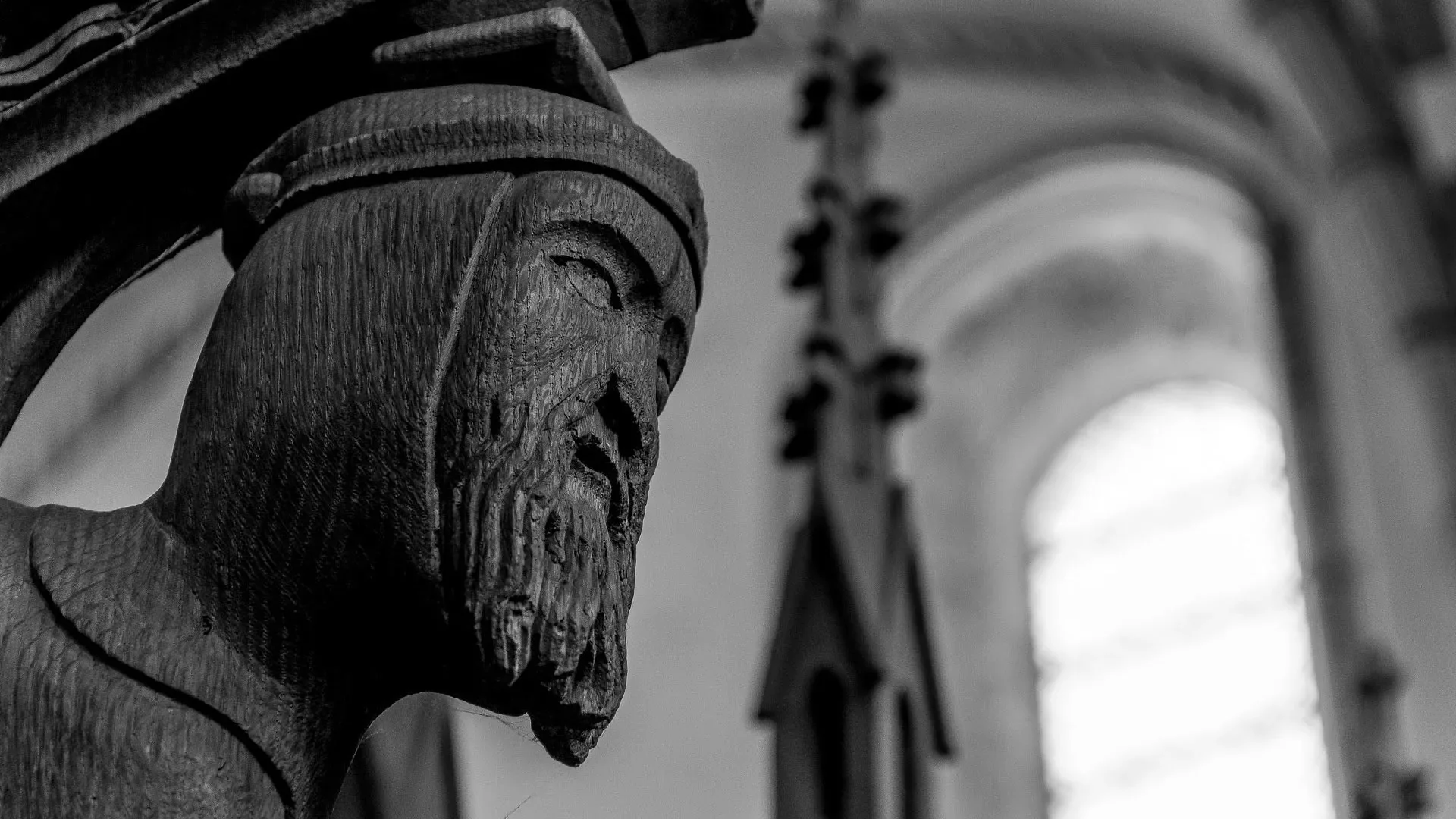 A wooden saint in Ribe's Domkirke. Credit: Nelson Lourenço, CC-BY 2.0
The "Holy Sufferer" Paradox: A Hidden Medieval Mechanism
What many modern interpretations overlook is the specific theological mechanism of the High Middle Ages that reframed leprosy not as a curse, but as a "purgatory on earth." This perspective, often neglected in favor of the "shunned leper" narrative, suggests that the sick were viewed as being in a state of grace.
By enduring the "Great Sufferance" in the mortal realm, the afflicted were thought to be bypassing time in purgatory. Consequently, a wealthy family might view a relative with leprosy as a spiritual asset to the lineage. Burying them in a high-status plot near the church walls was not just an act of inclusion, but a strategic placement of a "holy sufferer" whose proximity to the sacred could benefit the entire family's spiritual standing.
Economic Resilience and Post-Mortem Mobility
The presence of the diseased in prestigious graves underscores the rigidity of the Feudal Estate System in Denmark. Economic power and land-ownership rights appear to have been sturdier than the social stigma of infection. If a family belonged to the land-owning elite, their right to a specific burial location remained intact regardless of the cause of death.
| Variable | Traditional Assumption | New Research Finding |
|---|---|---|
| Social Status | Lost upon diagnosis | Retained through family wealth |
| Burial Location | Isolated "Leper Graveyards" | Integrated into parish hierarchy |
| Community Role | Complete social death | Persistent legal and familial identity |
| Theological View | Divine punishment | Potential spiritual purification |
Structural Shifts in Medieval Public Health Interpretation
These findings necessitate a recalibration of how historians view the Sankt Jørgens hospital system. Rather than being strictly carceral institutions designed to hide the sick, these facilities may have functioned more as specialized care wards for a cross-section of society.
The integration of the sick into high-status burial grounds indicates that the medieval "public health" response was secondary to the preservation of the social hierarchy. The community's primary concern was the maintenance of the established order, ensuring that even in death, the boundaries of class remained more influential than the boundaries of health.
The persistence of these burial patterns until the Reformation suggests a deeply entrenched cultural resistance to medical segregation, raising questions about how and when the modern, absolute stigma of infectious disease truly took hold in Western society.
Comments (0)
Please login to comment
Sign in to share your thoughts and connect with the community
Loading...