
Cauliflower Mistakes: Why Your Healthy Meals Are Failing

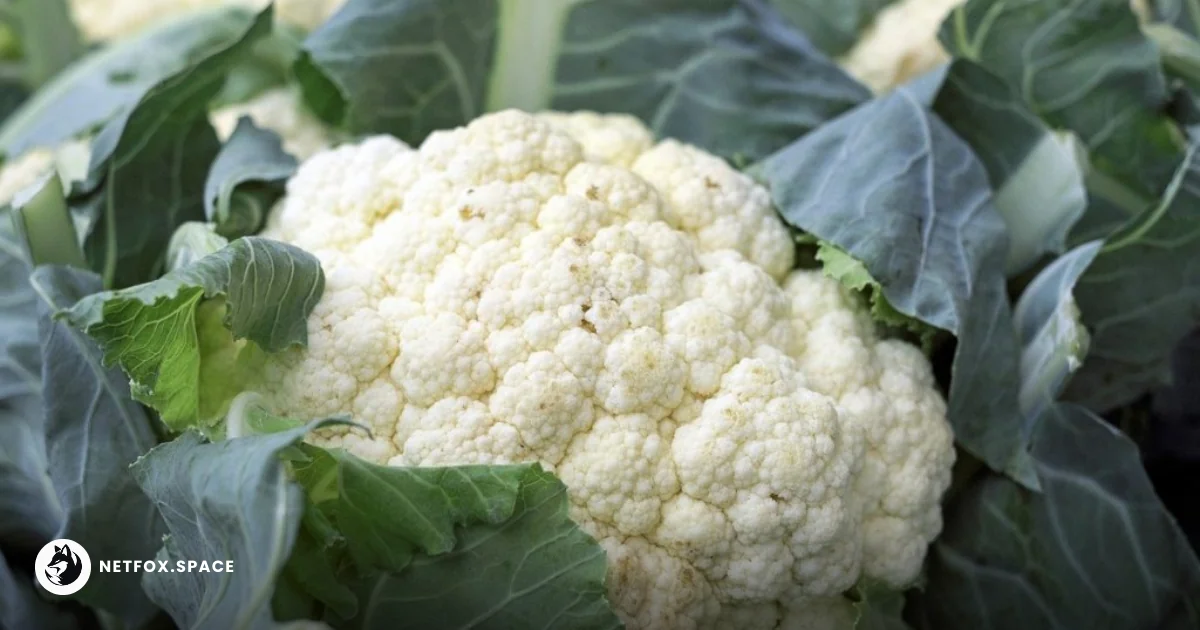
The Moisture Trap: Why Washing and Crowding Kill Texture
In the culinary arts sector, cauliflower has transitioned from a humble side dish to a primary meat alternative, yet most home cooks fail at the first mechanical step: moisture management. The most frequent error is roasting cauliflower while it is still damp from washing. When water is trapped in the florets’ dense canopy, the oven’s heat turns into steam, leading to a mushy texture rather than a crisp char.
Furthermore, "pan overcrowding" remains a systemic issue. When florets are packed too closely on a baking sheet, they release moisture into a shared micro-climate, effectively steaming themselves. To achieve the Maillard reaction—the chemical reaction between amino acids and reducing sugars that gives browned food its distinctive flavor—each floret requires at least one inch of "breathing room" to allow for rapid moisture evaporation.
The Over-Boiling Fallacy: Losing Micronutrients to the Sink
While boiling is a traditional preparation method, recent food science data suggests it is the least efficient way to prepare brassica vegetables. Boiling leads to significant "leaching," where water-soluble vitamins, particularly Vitamin C and B6, are discarded with the cooking water. In 2026, the nutrition sector has increasingly advocated for dry-heat methods or "flash-steaming" to preserve the vegetable's cellular integrity.
Beyond nutrition, boiling triggers the release of glucosinolates, sulfur-containing chemicals that produce a pungent, "cabbage-like" odor when overcooked. By skipping the water bath and moving directly to high-heat roasting (425°F/218°C), cooks can bypass the "sulfur threshold," resulting in a nutty, sweet profile rather than a bitter one.
The "Anatomy Oversight": The Hidden Value of Stems and Leaves
The mandatory differentiation in cauliflower preparation lies in the total-crop utilization model, a shift driven by the 2026 sustainability movement. Most consumers discard the stem and green leaves, treating them as waste. However, the stem contains a higher concentration of sugar and a more consistent fiber structure than the florets themselves.
When peeled and sliced into "coins," the stem offers a texture similar to water chestnuts or kohlrabi. The leaves, when roasted until crisp, mimic the flavor profile of kale chips. Competitors often overlook this structural layer, but from a household economics perspective, utilizing the entire plant increases the usable yield of a single head of cauliflower by nearly 30%, significantly lowering the cost-per-serving.
Thermal Inconsistency: The Case for the "Pre-Heated Sheet"
A systemic failure in most recipes is the omission of the "thermal shock" required for caramelization. Placing cold cauliflower onto a cold baking sheet ensures that the vegetable spends too much time in the "danger zone" of 140°F to 300°F, where it softens without browning.
Top-tier chefs now utilize the "Pre-Heated Sheet" method: placing the baking tray in the oven while it preheats to 450°F. When the seasoned cauliflower hits the hot metal, the contact surface sears immediately. This creates a structural "crust" that locks in internal moisture while preventing the floret from collapsing into a puree. This mechanical shift is the difference between a "diet food" texture and a "gastronomy" experience.
The 2027 Hybrid Trend: Beyond the "Rice" Gimmick
The immediate future of the cauliflower market involves moving away from "cauliflower rice"—which often suffers from a high surface-area-to-moisture ratio—toward "cauliflower steaks" and "whole-roast" centerpieces. The agritech sector is currently developing "dense-core" varieties specifically designed to hold their shape under prolonged high-heat roasting.
As the plant-based protein market stabilizes, the focus is shifting toward "flavor-carrying capacity." Because cauliflower is porous, the next generation of culinary techniques involves "vacuum-infusion" of marinades, allowing the vegetable to mimic the flavor density of animal fats. The regulatory uncertainty remains around "processed" cauliflower substitutes, as the FDA looks to standardize labeling for products that are less than 50% actual vegetable.
Comments (0)
Please login to comment
Sign in to share your thoughts and connect with the community
Loading...