
Why Only One Naked Mole-Rat Reproduces: Biological Explainer
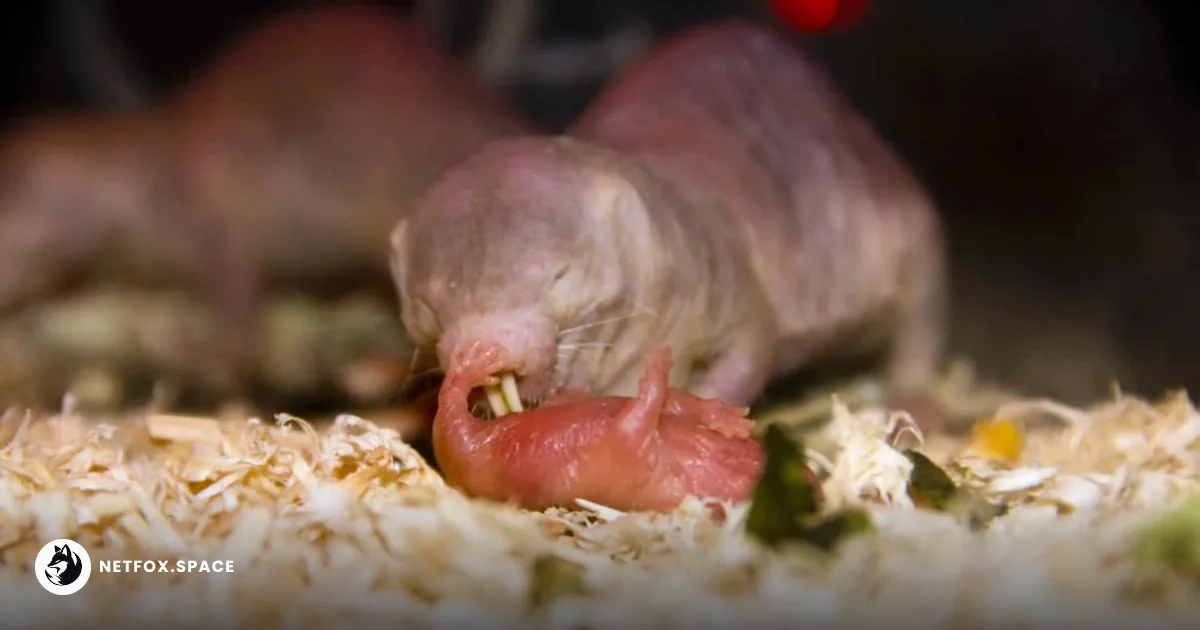
The naked mole-rat (Heterocephalus glaber) represents one of only two known mammalian species to adopt a eusocial structure, a highly organized social system more commonly associated with bees and ants than with vertebrates. In these colonies, reproductive rights are not a shared resource; instead, a single queen maintains a monopoly on breeding, supported by a tiered hierarchy of non-reproductive workers.
Environmental pressures favor extreme social cooperation
The shift toward a single-breeder system is largely driven by the high energetic costs of survival in the arid regions of East Africa. Naked mole-rats inhabit vast, complex underground burrows that can extend nearly 2 miles in length and reach depths of over 6 feet. Digging through hard, sun-baked soil is an energy-intensive task that a solitary individual could rarely sustain while also foraging for sporadic food sources like large tubers.
By operating as a colony, the group can distribute the caloric burden of "mining" for food. This extraordinary social structure allows the majority of the population to focus on maintenance and defense, while the queen concentrates biological resources on reproduction. This cooperative labor is a survival necessity; without the huddling behavior of the group, these hairless rodents—which lack significant body fat and the ability to effectively regulate their internal temperature—would struggle to survive the thermal fluctuations of the subterranean environment.
Physiological adaptations to hypoxia enable high-density life
Living in crowded, sealed chambers 6 feet underground creates a unique atmospheric challenge: extremely low oxygen (hypoxia) and high carbon dioxide (hypercapnia) levels. Most mammals would suffer rapid neurological damage under these conditions, yet the naked mole-rat has developed specific metabolic adaptations to thrive in an environment that would be toxic to others.
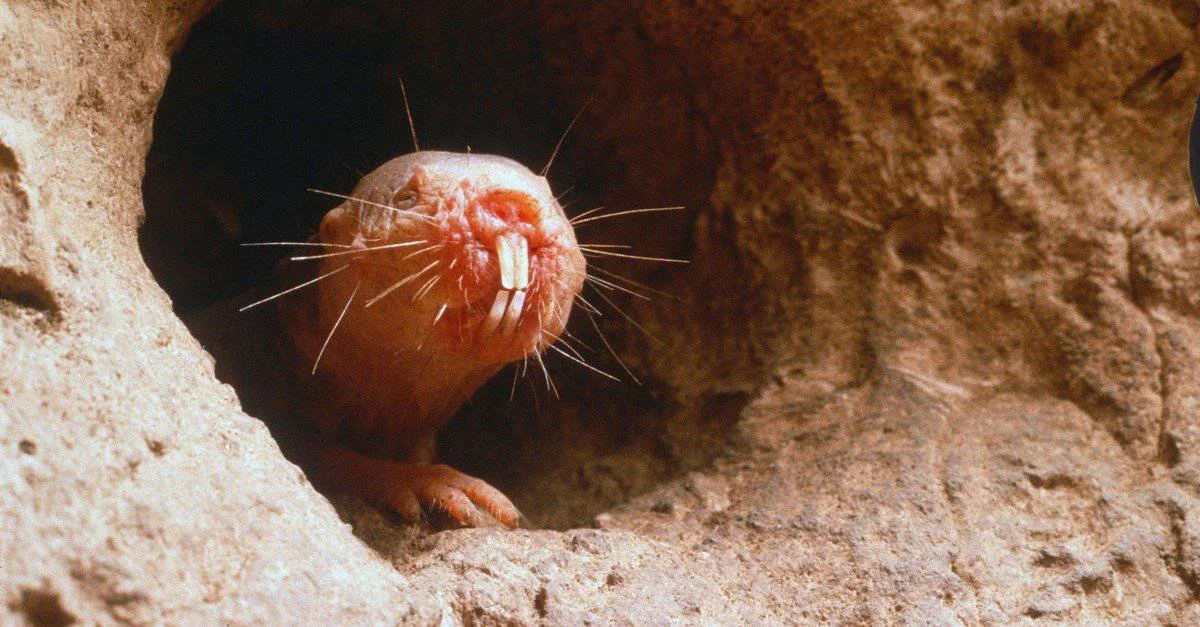 Some naked mole-rats in the colony act as soldiers, guarding entrances to their underground tunnels.
Their blood has a high affinity for oxygen, and their brain cells can survive extended periods of oxygen deprivation by switching to different metabolic pathways. These physiological traits are the "permission slips" for their social system; without the ability to tolerate the stale air of a 300-member colony, the single-queen model could never achieve the density required to maintain its complex tunnel networks.
The mechanism of reproductive suppression in mammalian colonies
In a naked mole-rat colony, the workers are not born sterile. Instead, their reproductive capacity is suppressed through a combination of behavioral and physiological factors dictated by the queen. Unlike many insect colonies where suppression is largely managed through pheromones, mammalian eusociality often involves a more direct, physical component.
The queen maintains her status through dominant behavior, which induces stress in subordinate females and effectively shuts down their reproductive hormones. This ensures that the colony’s limited resources are never diverted to "unauthorized" offspring. If a queen dies or becomes too weak to maintain this dominance, the suppression is lifted, often leading to violent competition among the remaining females to determine who will become the next sole breeder. This transition underscores that the eusociality of these mammals is a dynamic, high-stakes equilibrium rather than a fixed biological caste system.
Comments (0)
Please login to comment
Sign in to share your thoughts and connect with the community
Loading...